
Quick report
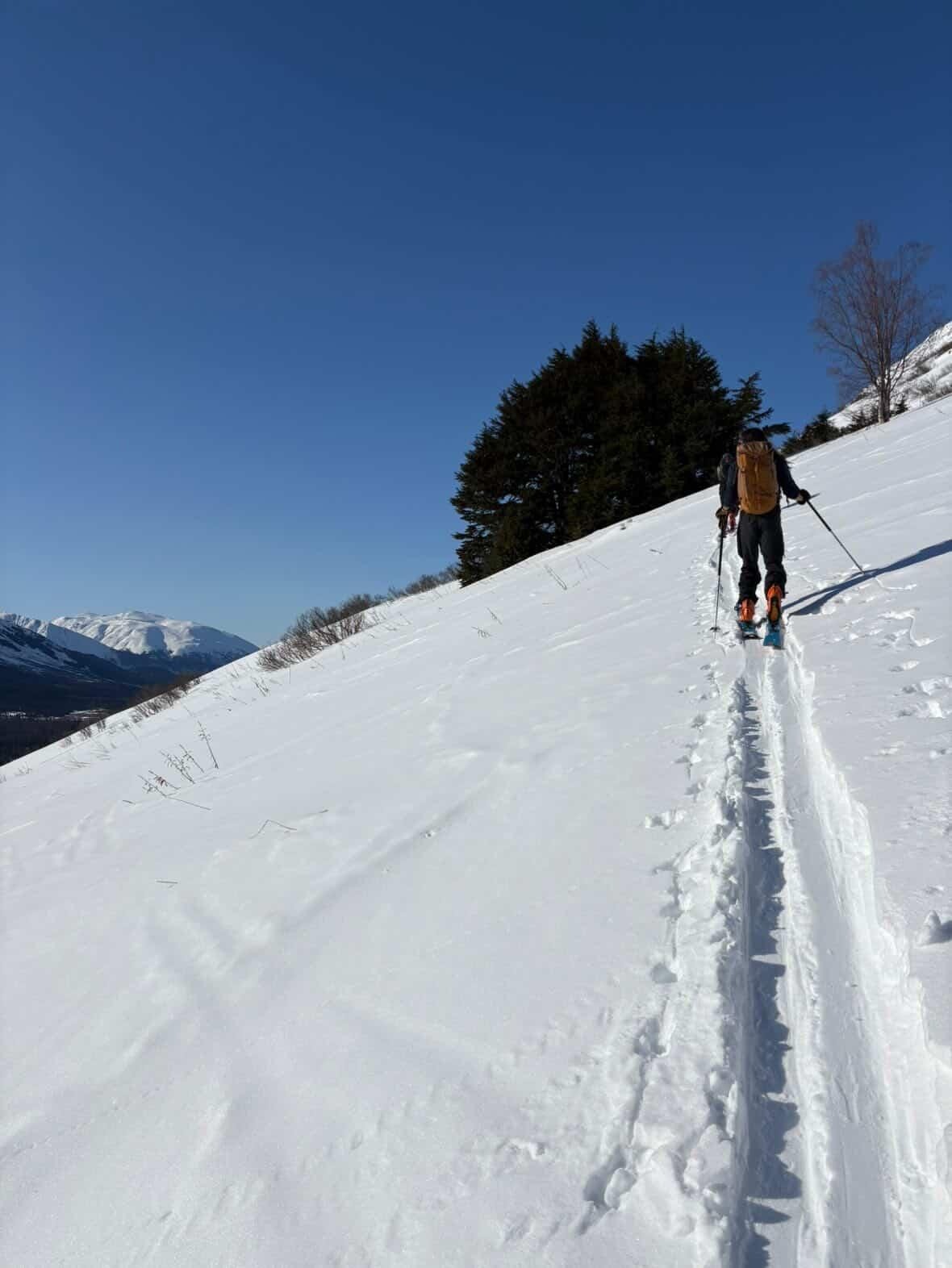
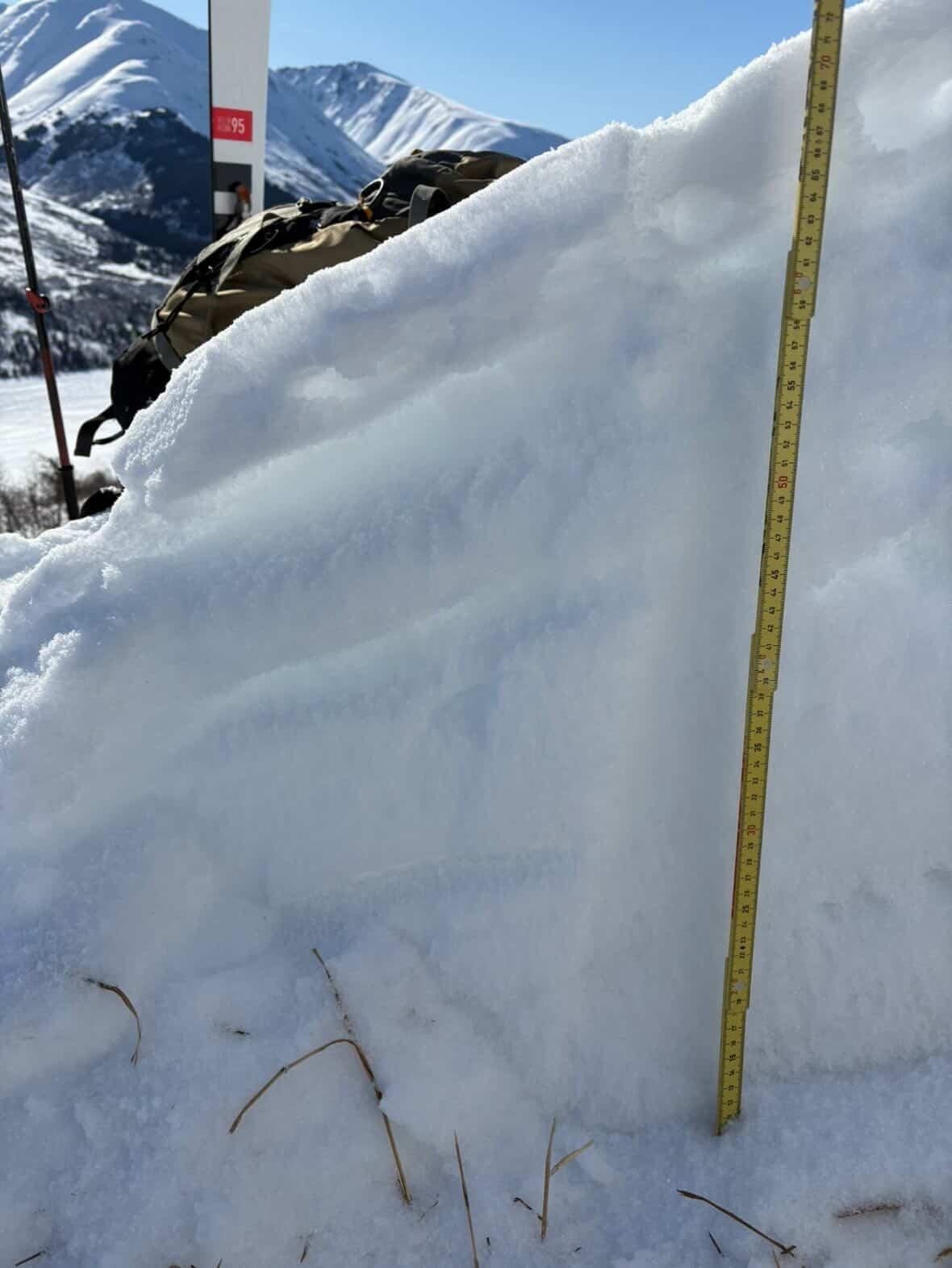
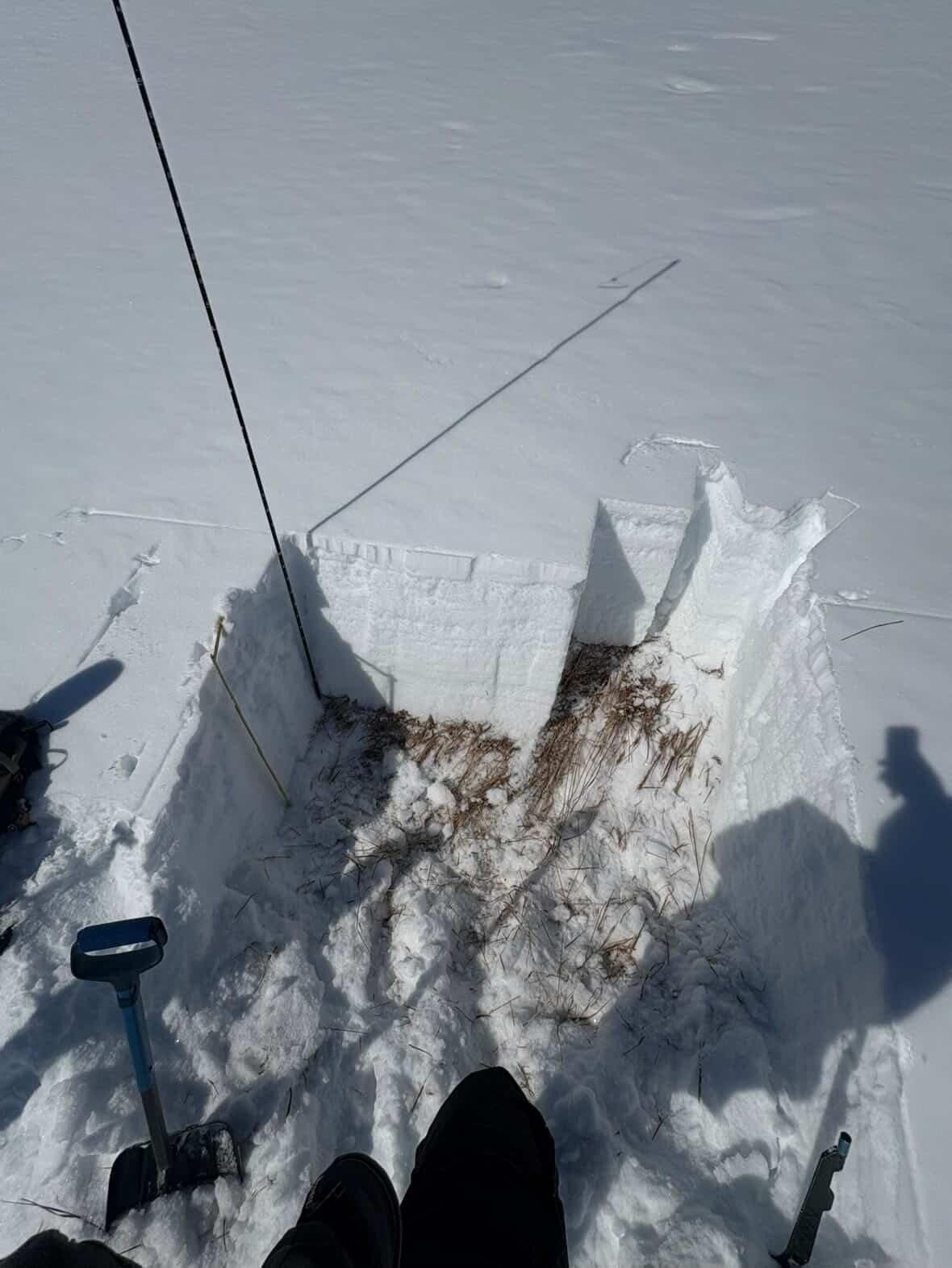
At approximately 10:00 a.m., the temperature in the parking lot was 0°F according to the van thermometer. The weather was clear and sunny. While skinning up to our dig site, we observed a transition in the snow surface with elevation: lower down, the snow had a melt-freeze crust on the surface, while higher elevations held softer, drier snow. At our dig site, the snowpack depth was 94 cm. The upper snowpack consisted of approximately 12 cm of soft, dry snow from the previous weekend’s storm. Below that was an approximately 8 cm thick wind crust, underlain by a layer of rounded facets. Of the five pits dug by our group, only one pit produced notable stability test results, and that was mine (not the one pictured). That pit showed CT1, ECTP14, and PST 48/End on the layer of rounded facets, approximately 22 cm below the surface. After digging, we continued to about three-quarters of the way up the standard run at Japanese Trees. From there, we had a fun and uneventful descent with no signs of avalanche activity. Snow conditions rode well on a snowboard, though some skiers in our group had difficulty initiating turns on the crust beneath the soft surface snow. Overall, stability appeared good in the terrain we traveled, though the crust also made uphill travel somewhat difficult.