
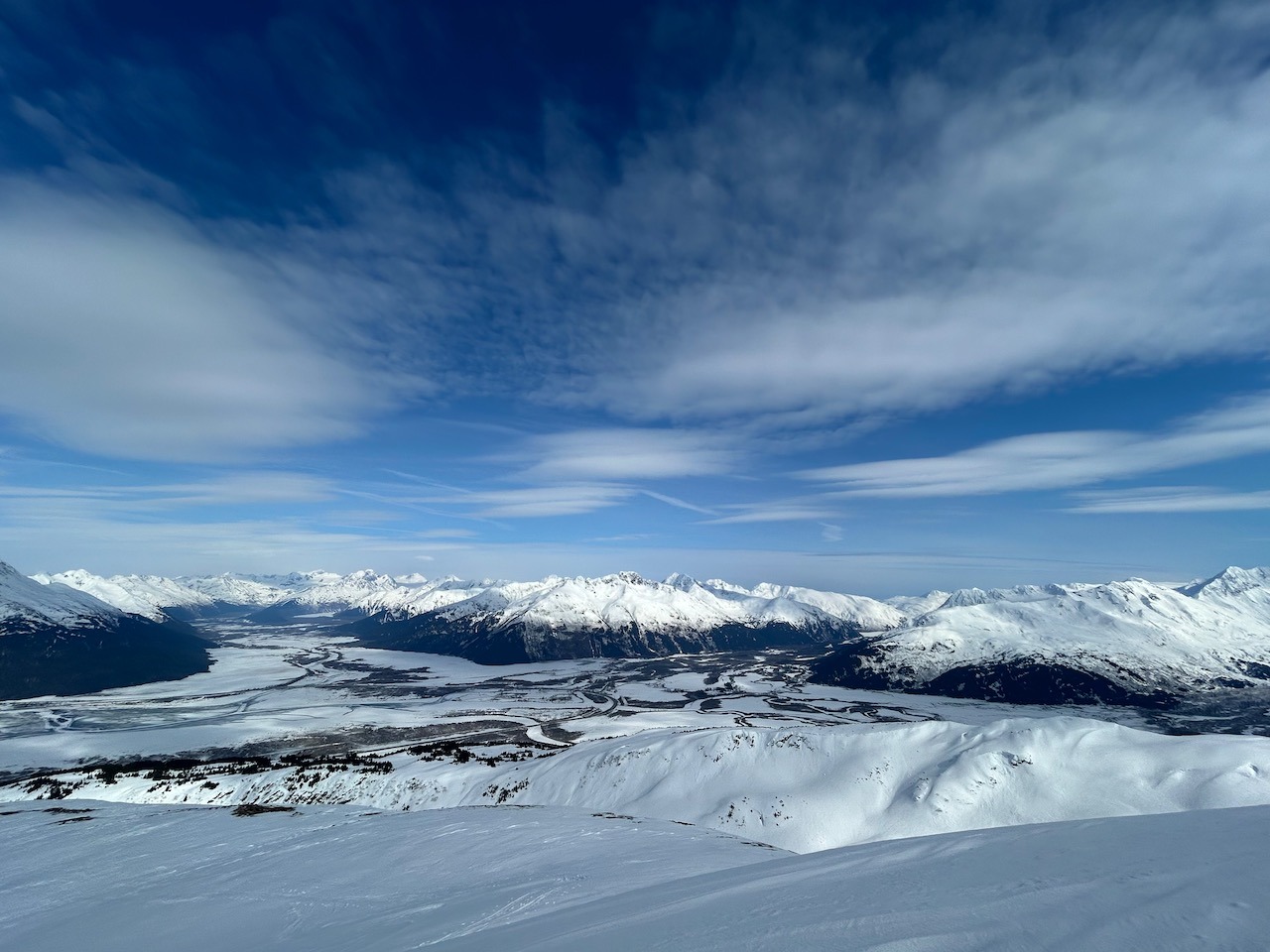
Quick report
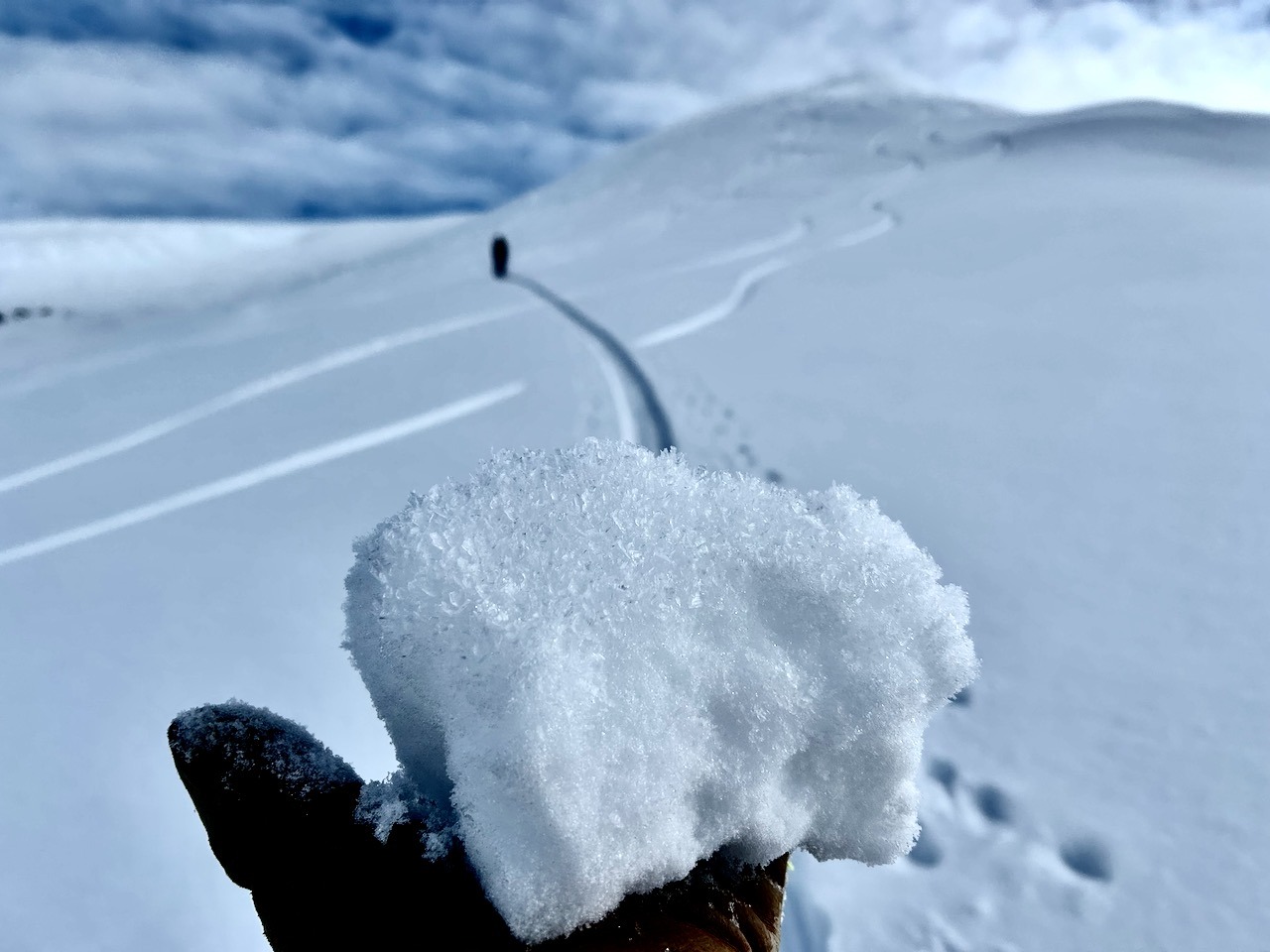
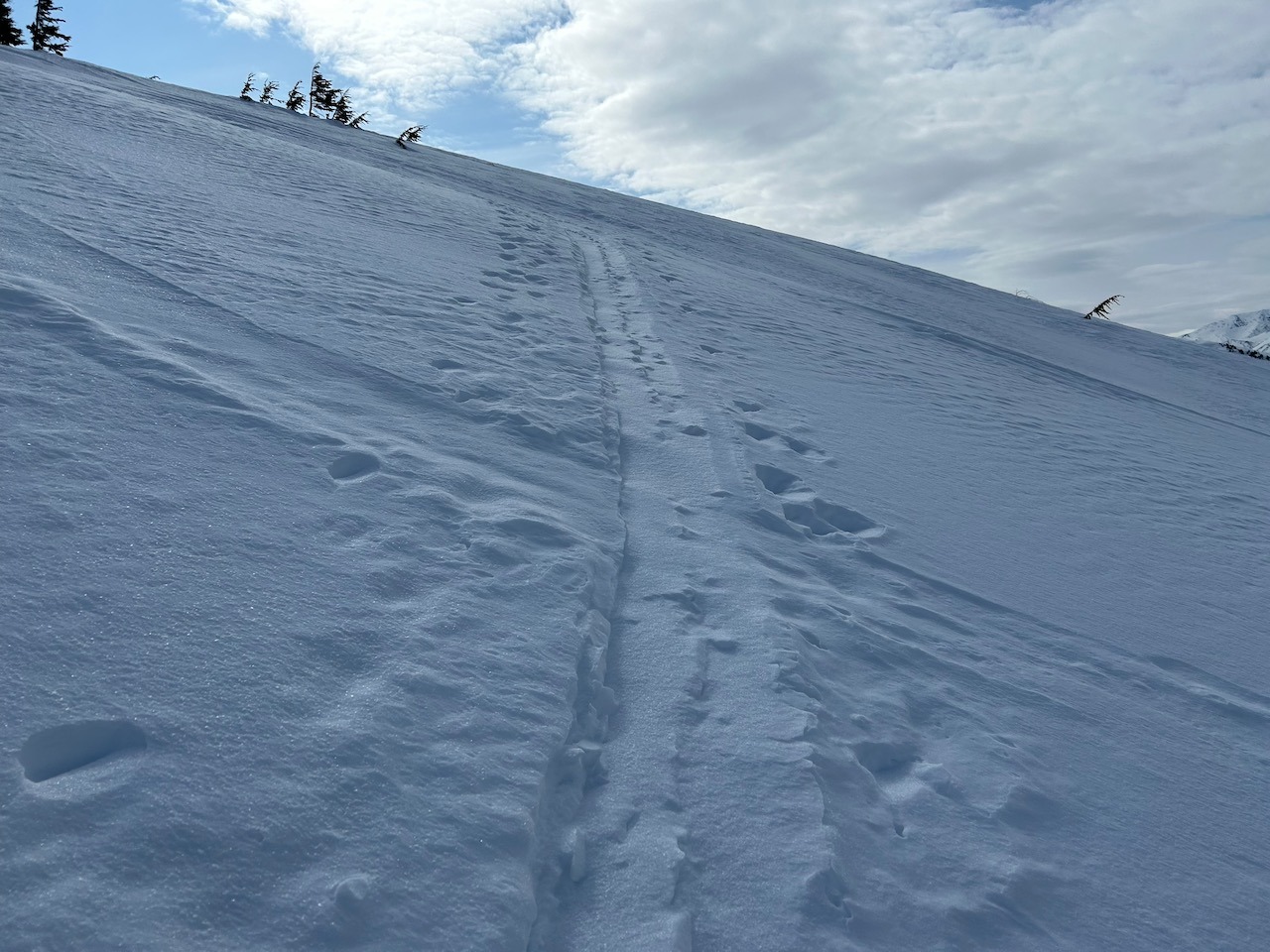
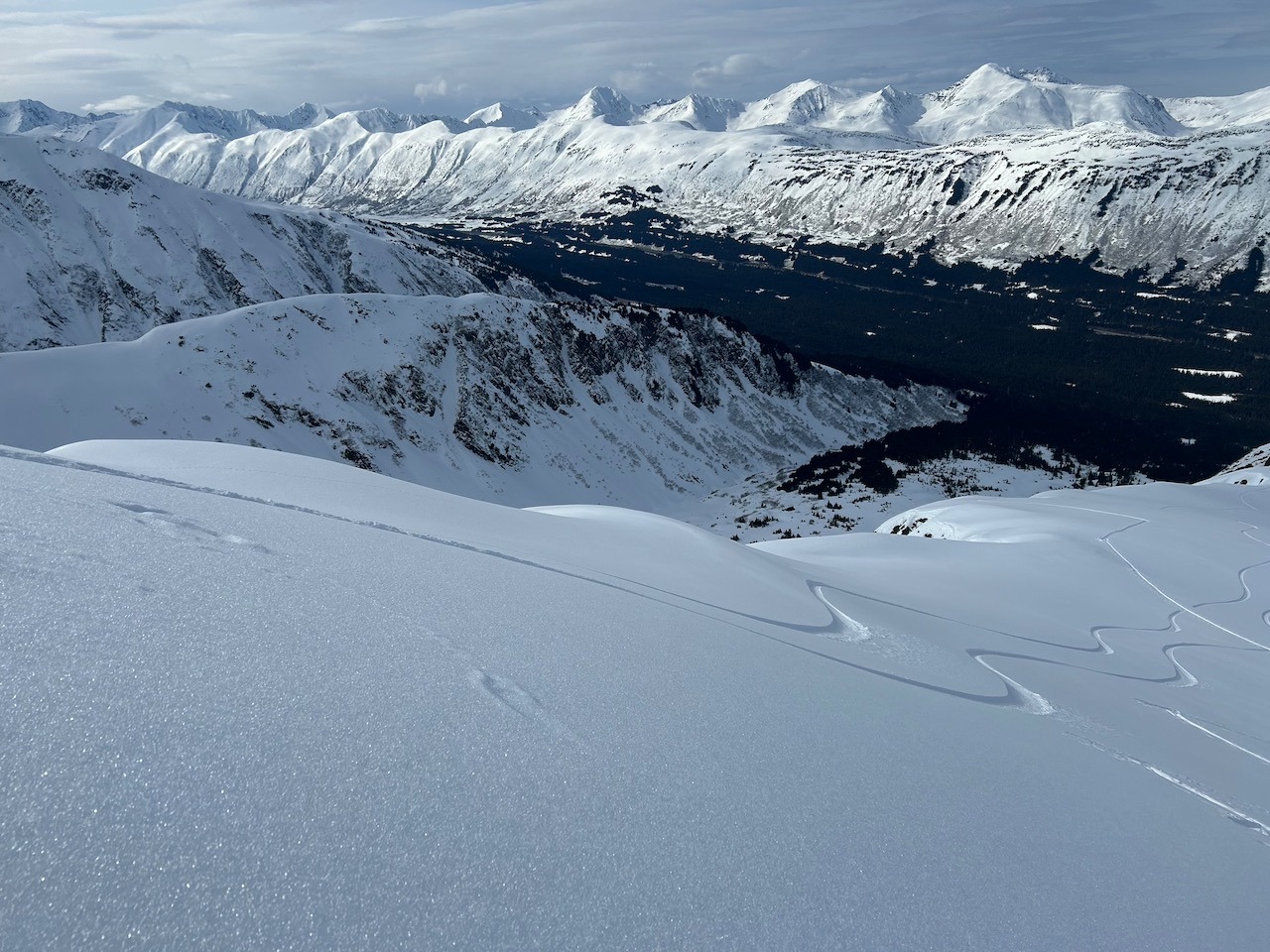
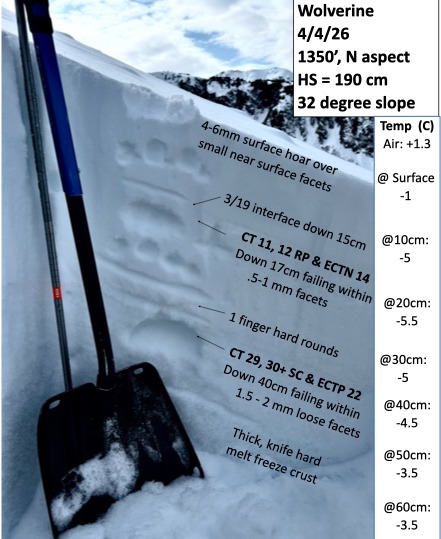
Route: Wolverine to 3000' on the SW ridge of the road facing bowl. Signs of instability: Several fairly recent small natural loose avalanches on the steep, SE aspect of Seattle Ridge between 1500-2000'. These slides did not run full path, nor did they entrain much snow. No collapsing/cracking. Weather: Broken skies with light N to E winds occasionally gusting moderate above treeline. 40f at the road by evening, but cooler (20s) above treeline. Temps right around freezing at 1500' mid-afternoon. Snow Surface: In the six days since my last tour on Wolverine, winds have barely been strong enough to fill in ski tracks on the most wind affected portion of the route. These winds successfully flattened/destroyed some of the surface hoar on shaded, northerly aspects travelled, but a new crop is also starting to grow on areas of soft, recently winded snow. The largest surface hoar observed was 8-10mm and found upright across the steeper area just below the top of Wolverine's common bowl (see photo below). Winds have not left a firm snow surface anywhere on the route traveled... with the new snow (maybe) coming in tonight/tomorrow, it looks like it will be falling on 5-15cm of soft near surface facets currently on the surface on northerly aspects of the route. On solar aspects, the sun has destroyed any recent surface hoar, and a breakable crust was present... so we avoided south to due west aspects to keep ski quality high! Additionally, the snow surface was moist below 1300' on all aspects traveled by late afternoon. Snowpack: Dug a pit at a lower location (1450') for a change, to see how the facets that formed in February may or may not differ from the layer higher up. These facets were larger than observed on weekends prior - 2mm in size - and still very loose in the pit wall. The upper layer of facets, which were buried by the 3/19 storm, looked similar to that layer of facets at higher elevations. Stability tests followed the trends of other recent observations in terms of score/propagation, though the failures didn't occur directly at the storm interfaces but instead within the layer of facets - see photo below for structure and test results.