
Quick report
- Collapsing
- widespread
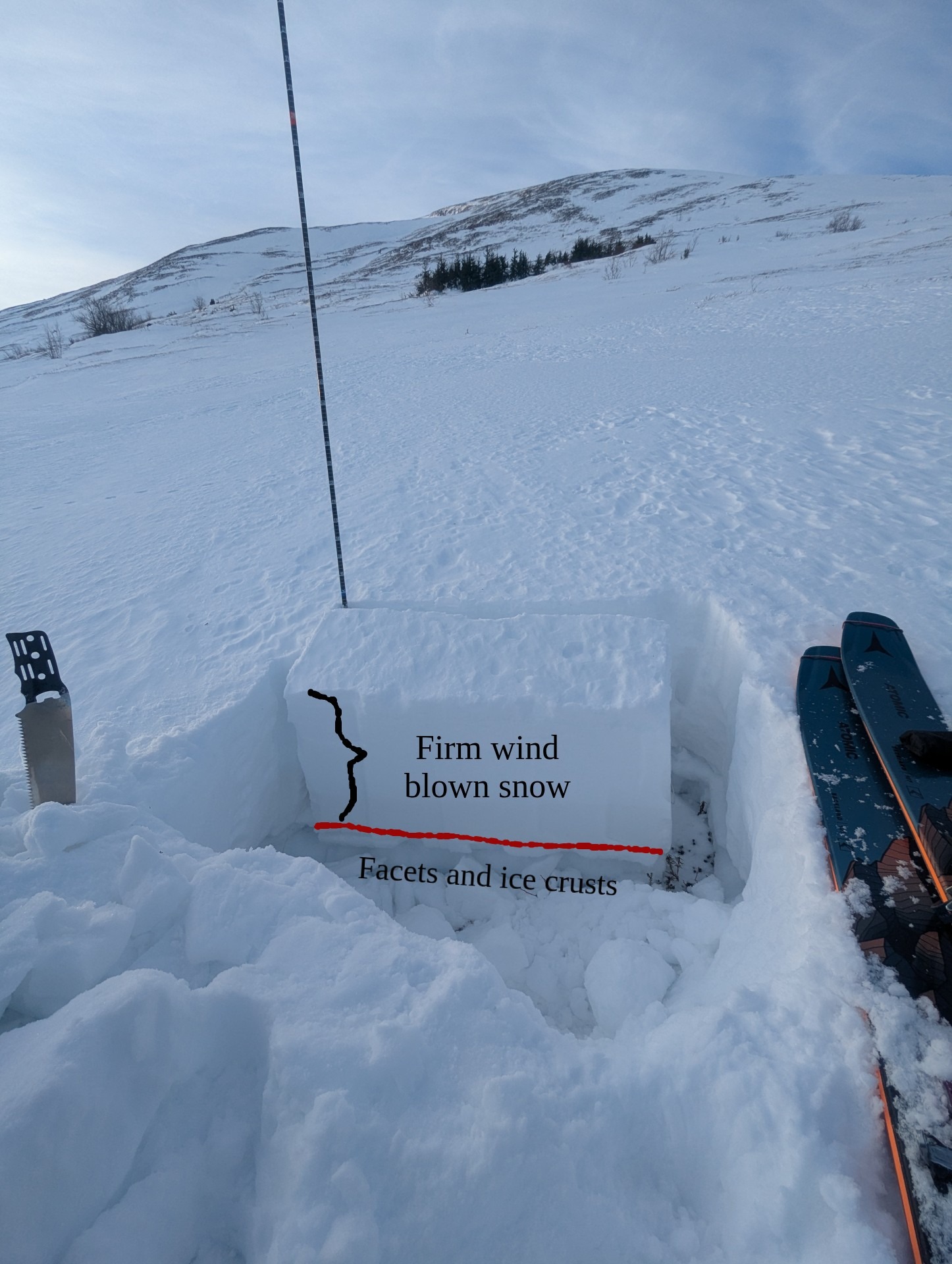
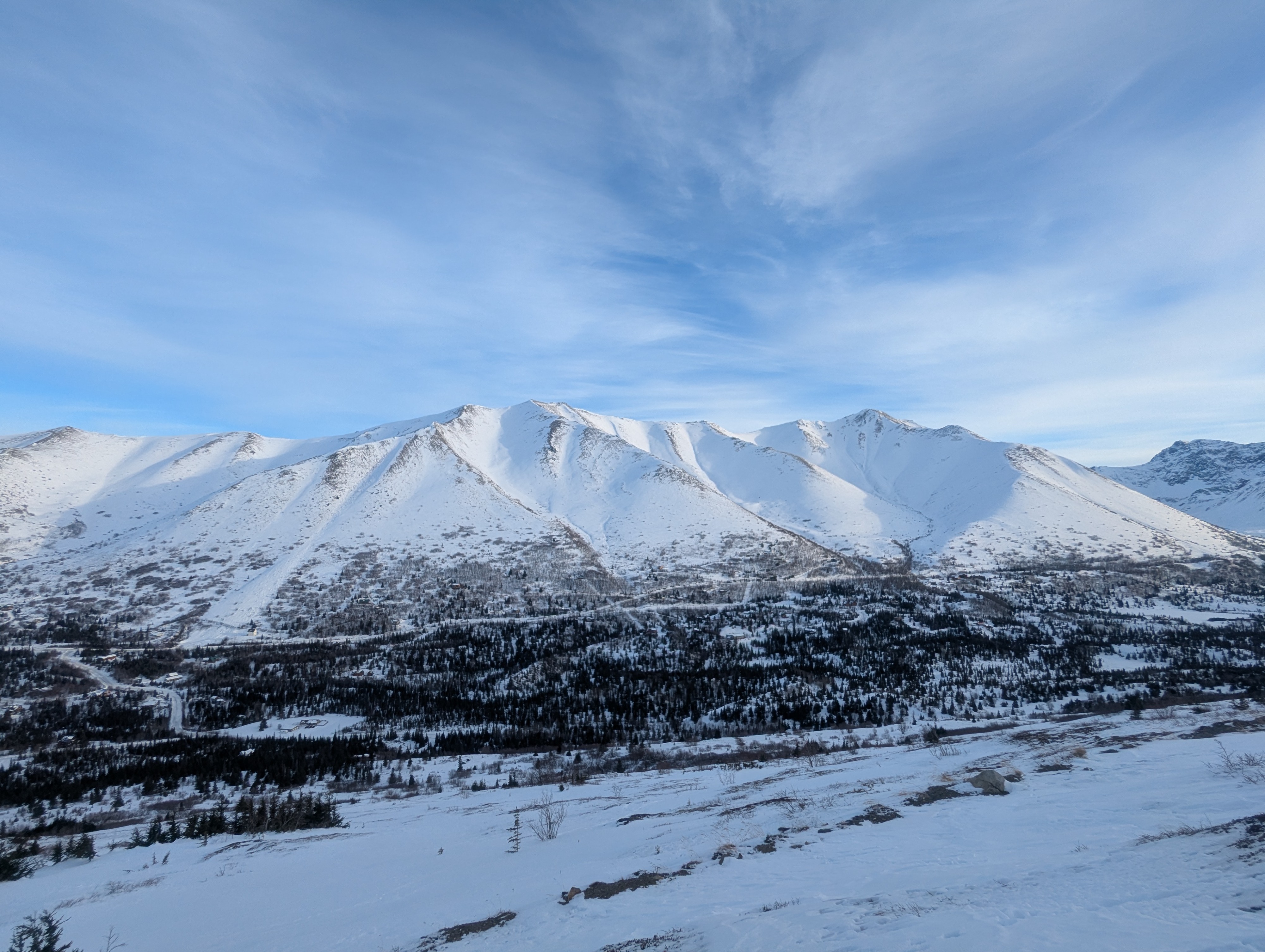
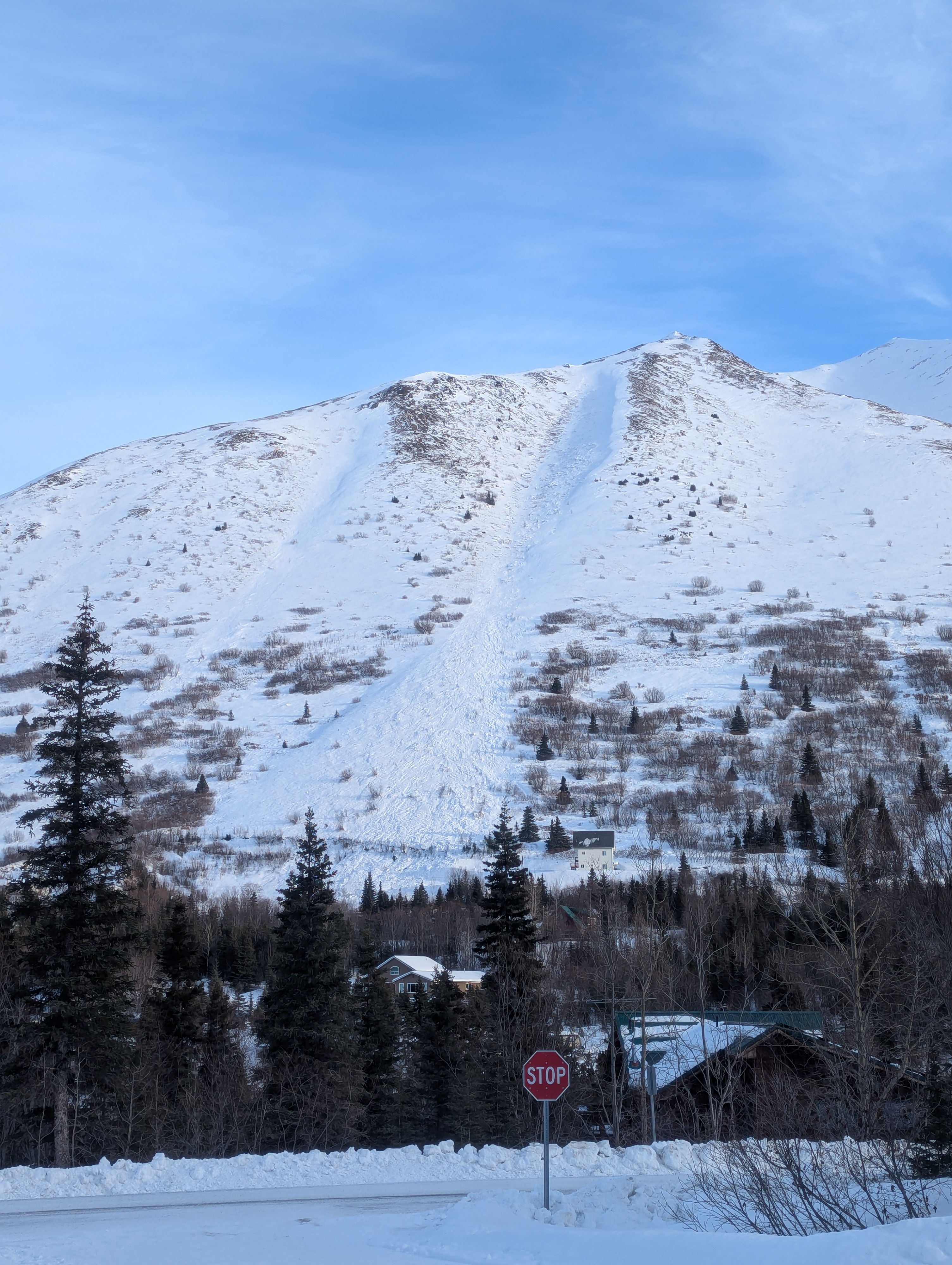
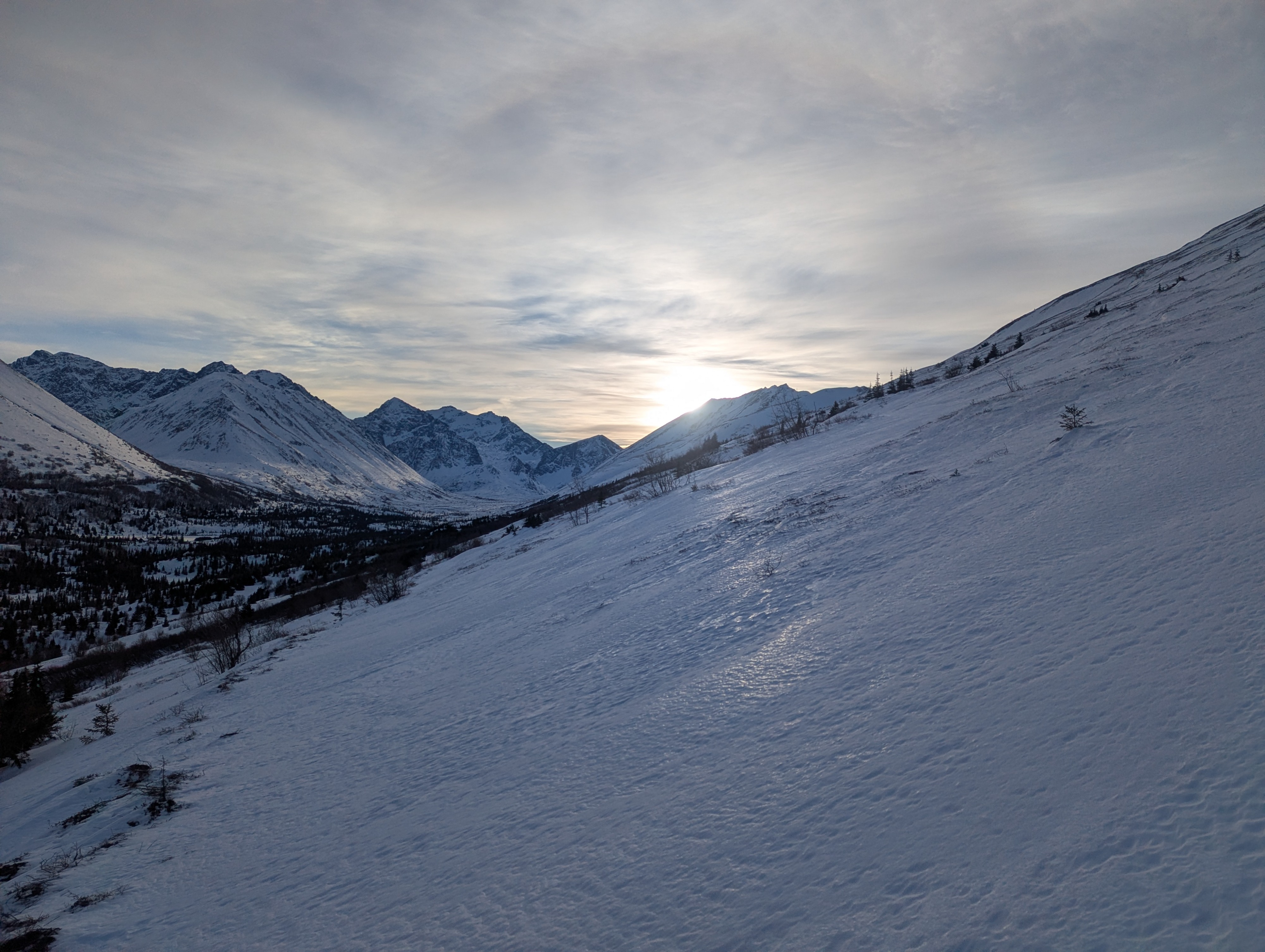
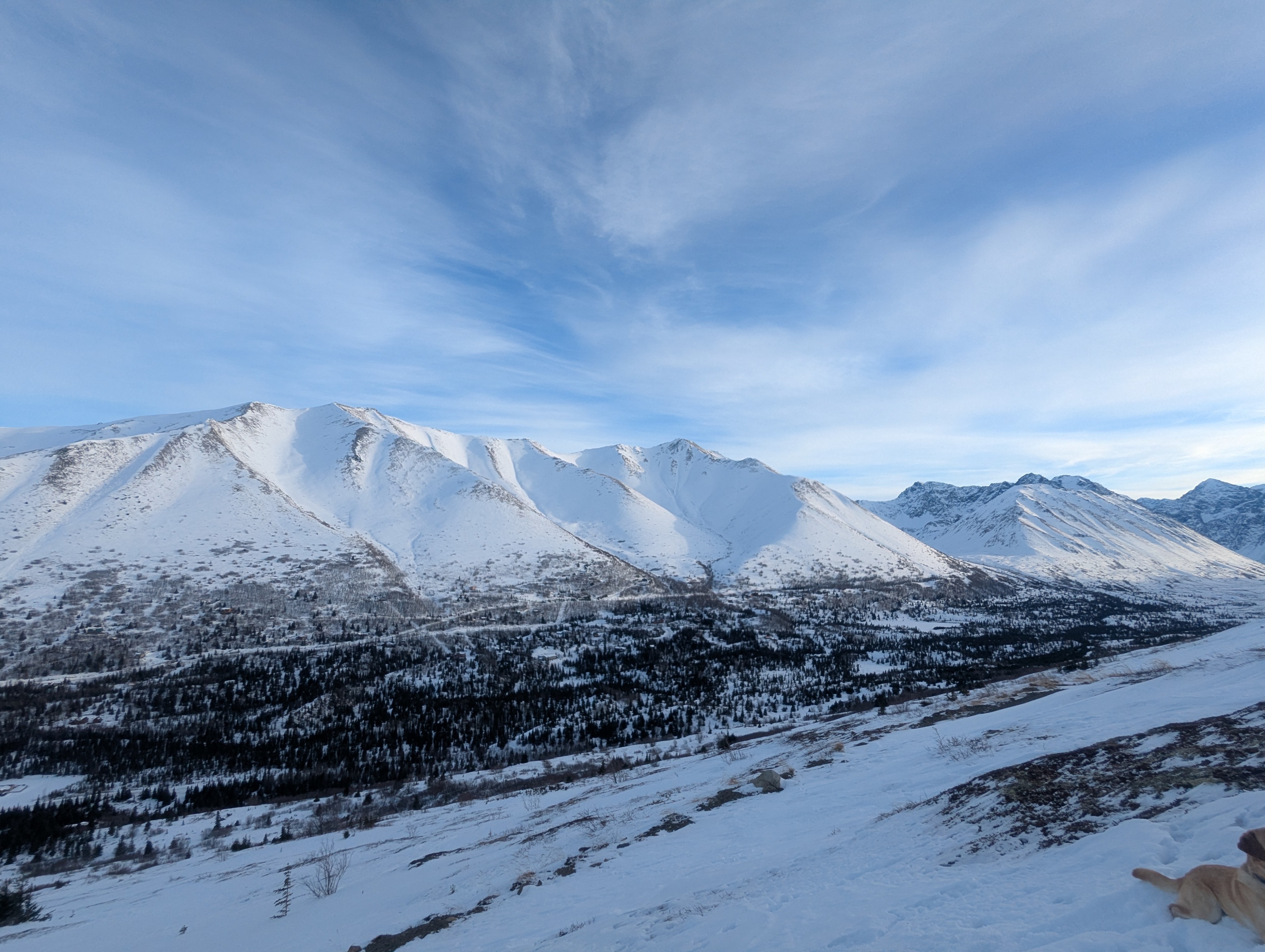
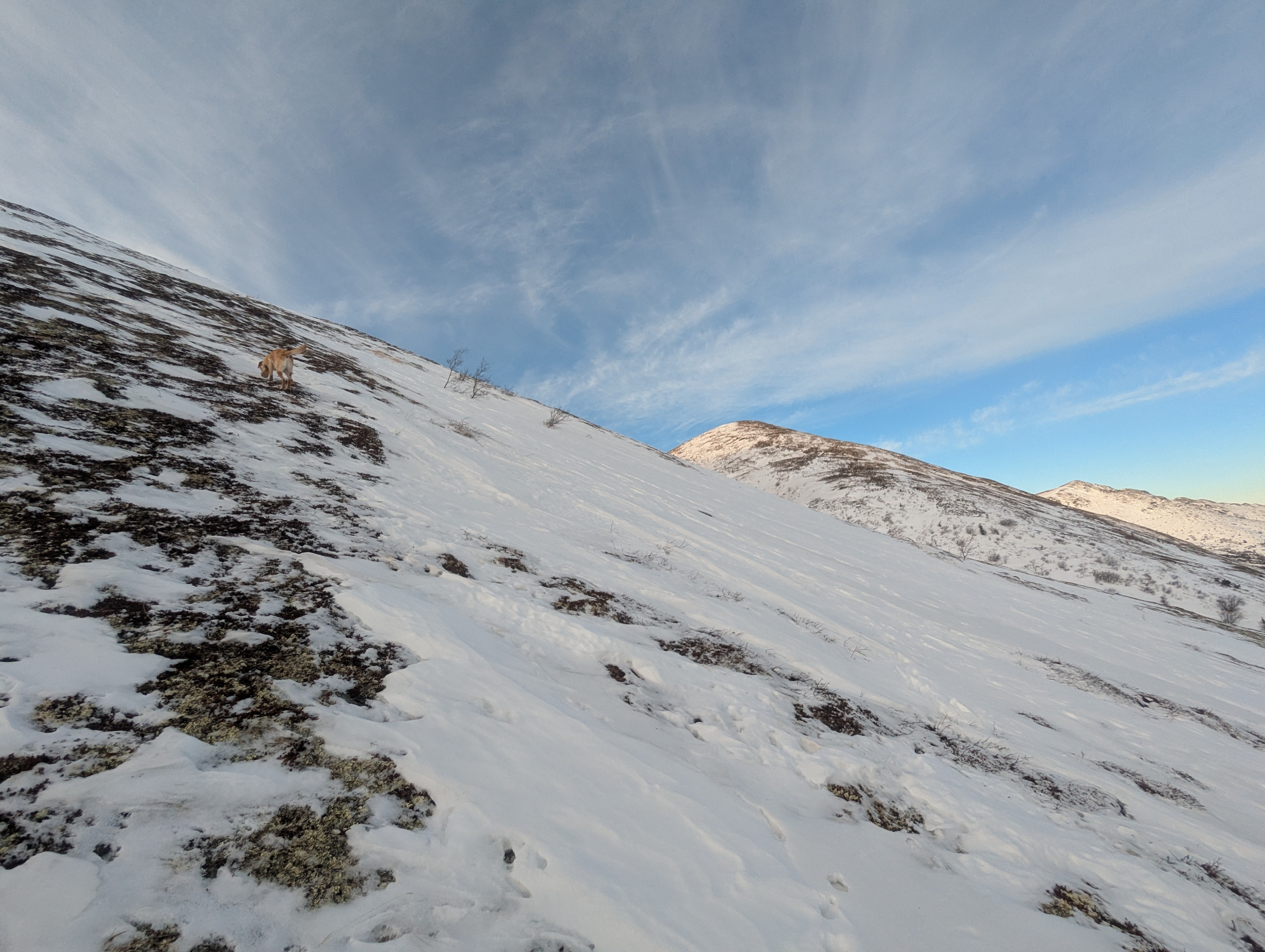
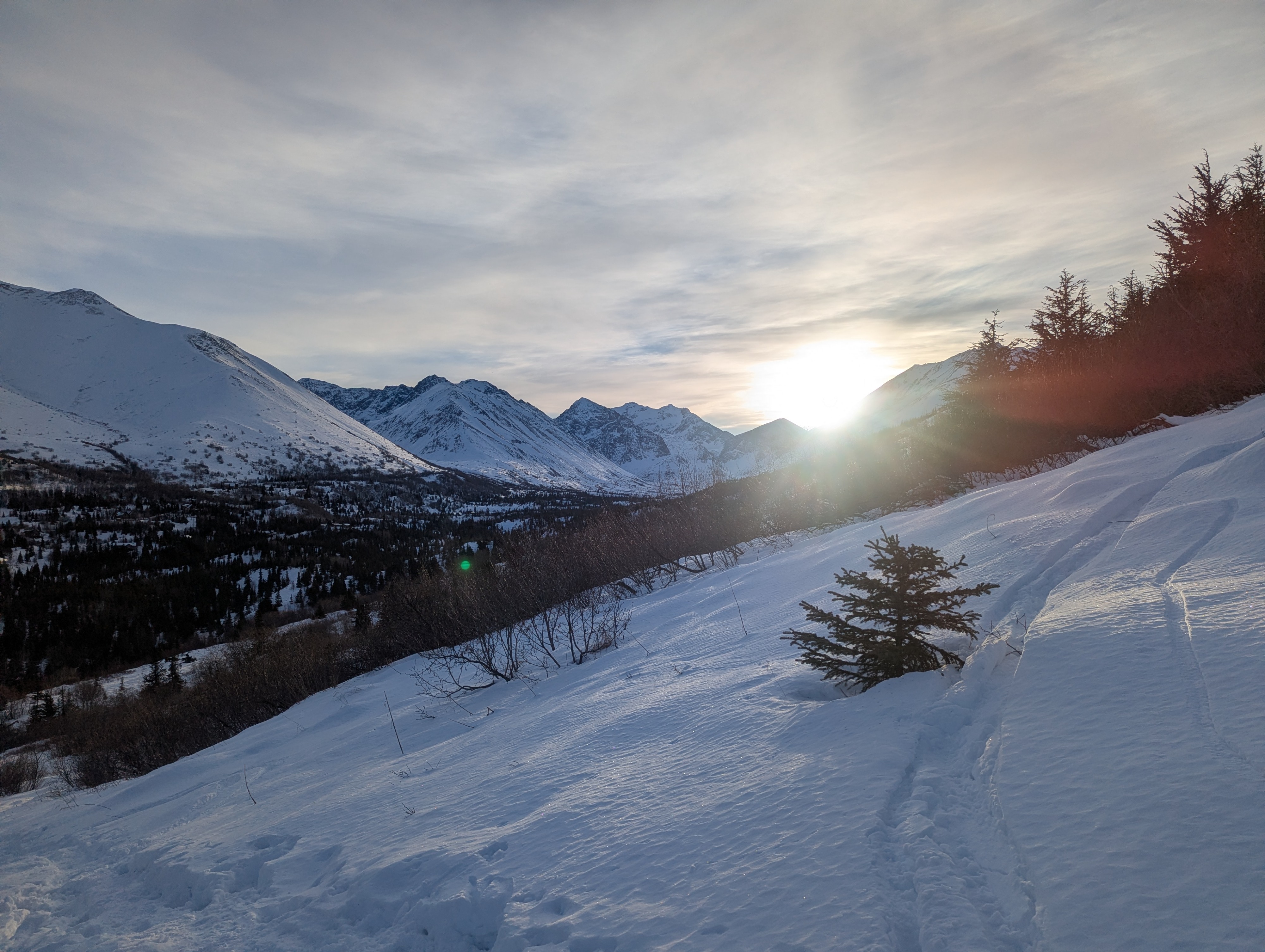
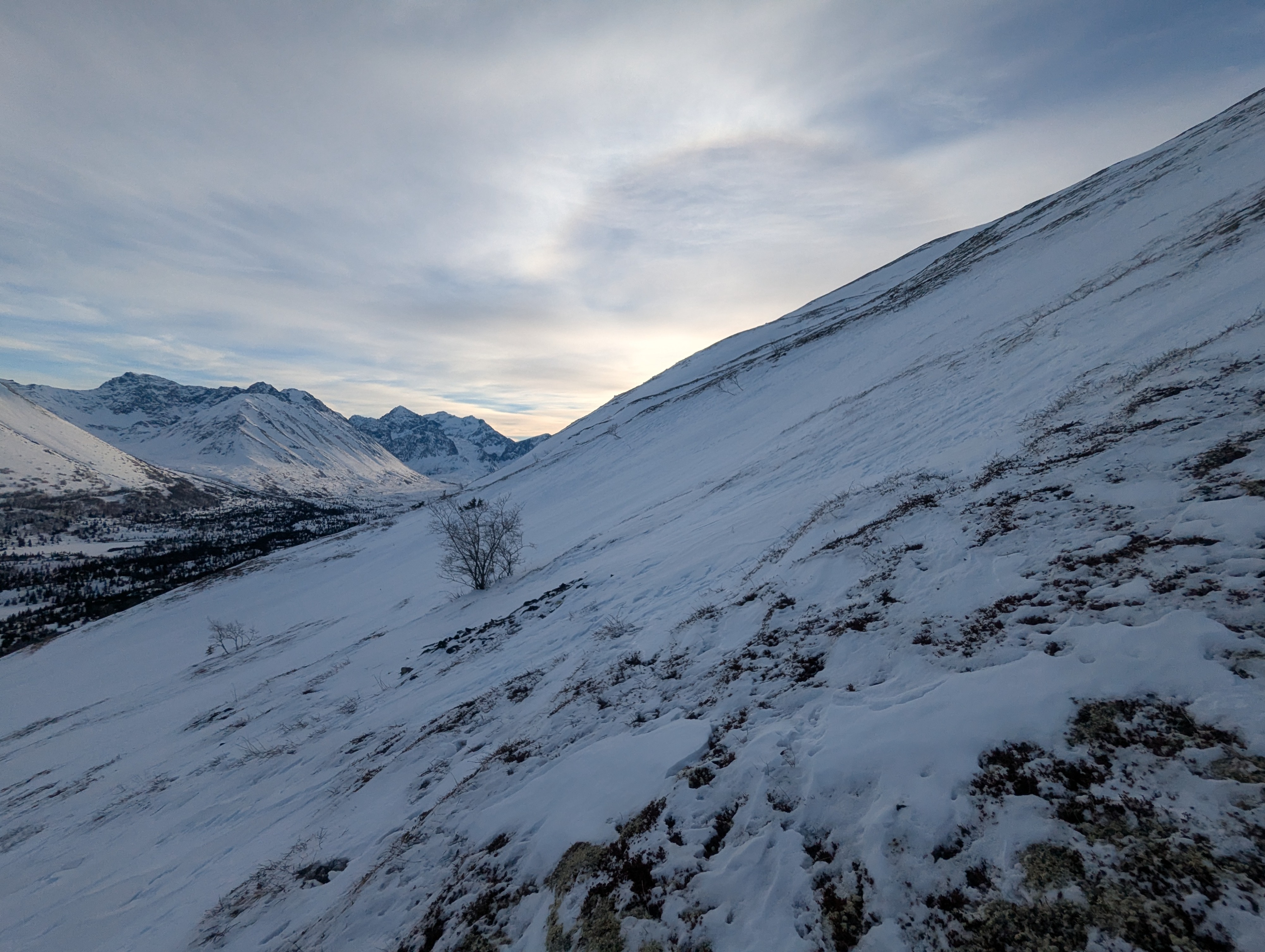
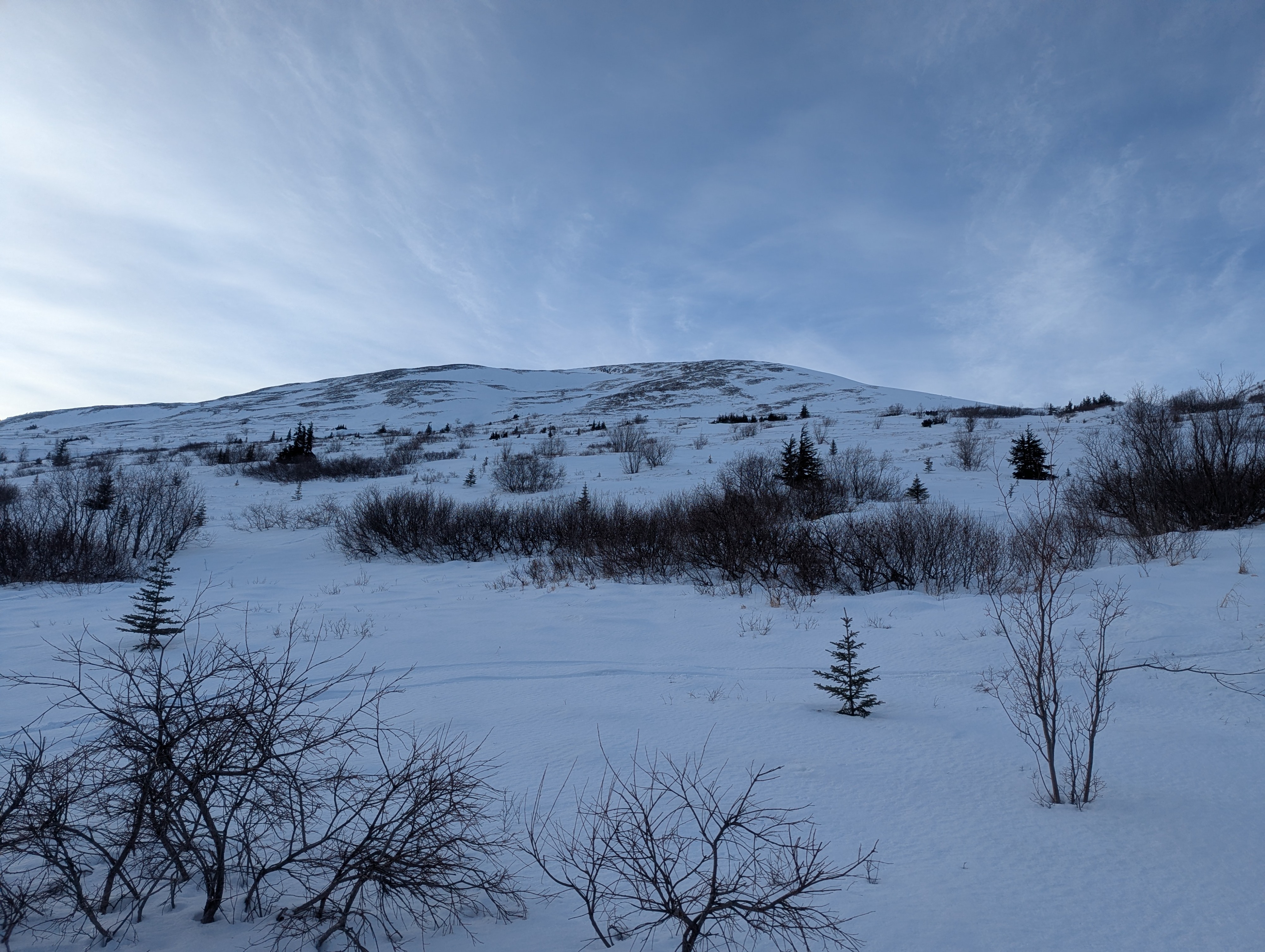
We toured up to Hunter Pass from the South Fork Eagle River Trailhead and turned around just above the pass because of loud collapses we were triggering in the snowpack. We were trying to get to North Bowl, but felt like the only safe way to get there was by walking on bare ground, and didn't want to get on any steep terrain with wind-loaded snow on it. We dug a set of pits at 2500' on a NE aspect and found very unstable test results, with easy failures about 1.5' deep on a layer of facets. The snowpack depth is highly variable, as usual, in the Front Range. It would be easy to trigger a large avalanche in areas with wind-loaded snow sitting on top of weak facets about 1-2' deep. With this type of snowpack setup, it is common to trigger avalanches remotely while you are standing on low-angle terrain with steeper terrain nearby. It is also common for multiple skiers to put tracks on a slope before someone finds the sweet spot and triggers an avalanche that wipes out the old tracks. This is a dangerous setup, and the only way to manage it is to stick to low-angle terrain and avoid runout zones of overhead avalanche paths.
We triggered 3 or 4 very large collapses that were loud and had us double-checking the slope angles of the terrain we were on. Triggering the collapses seemed most common on the edges of wind-loaded features, where our weight could penetrate to the weak layer.Weather
- Air Temp
- 30s
- Cloud Cover
- clear
- Wind Loading
- previous
- Snow Avail For Transport
- small smounts
Clear and warm day with a strong temperature inversion. It was about 15 F in Anchorage and much warmer at higher elevations. Skies were clear with calm winds.
Snowpack
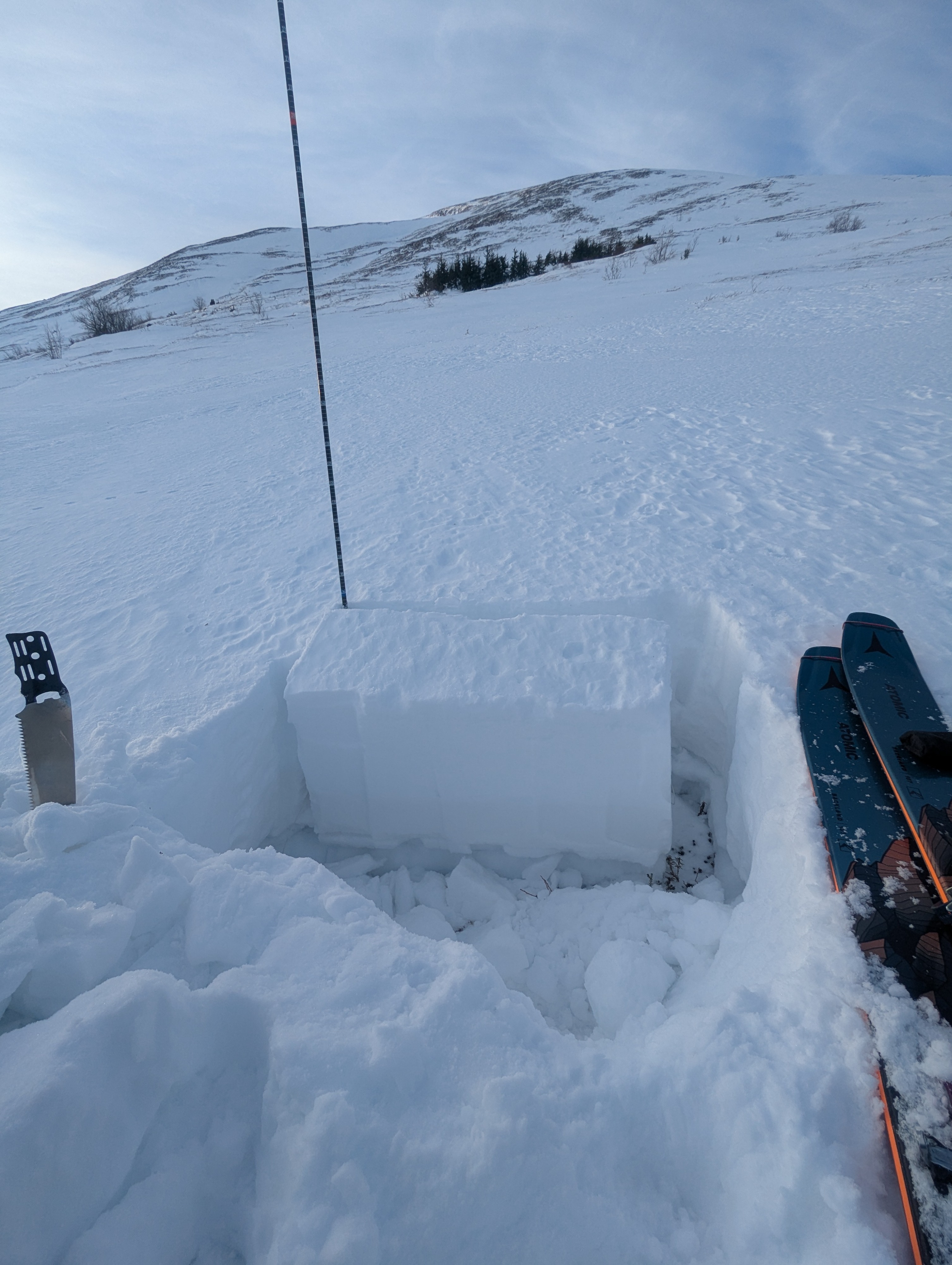
We dug a set of pits at 2500' on a NE aspect on a meadow that had just produced a large collapse. We found about 1.5' of firm wind-transported snow on top of a weak layer of facets around an ice crust. There were facets both above and below the crust, but in our CT and ECT, the column failed on top of the crust layer during isolation (CT V, ECTP V). The results only confirmed what the large collapses were already telling us: that the snowpack is very unstable with the potential for large human-triggered avalanches. Remote triggering avalanches from low-angle terrain onto adjacent steeper slopes is also common with this type of weak layer.