
Quick report
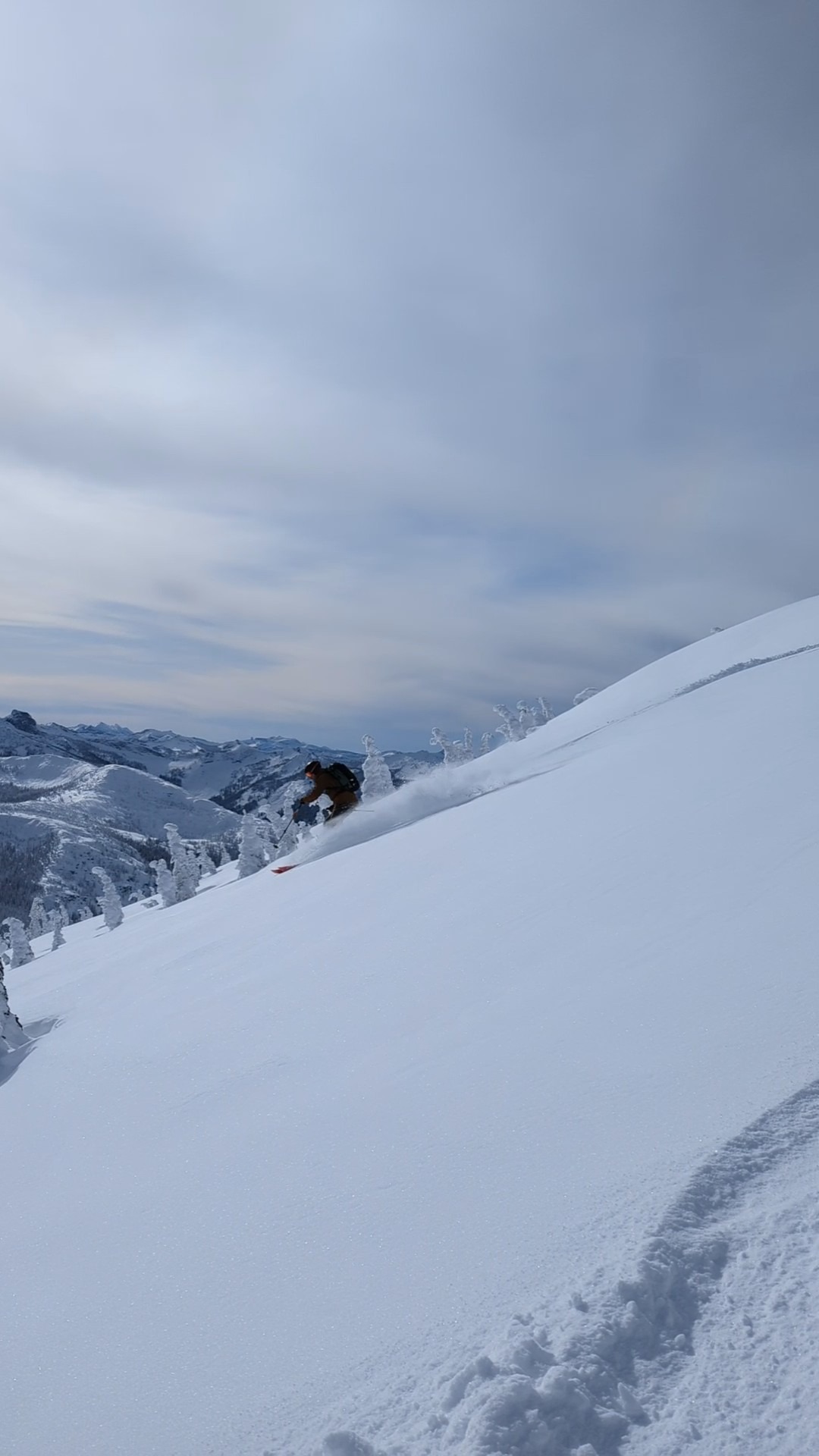
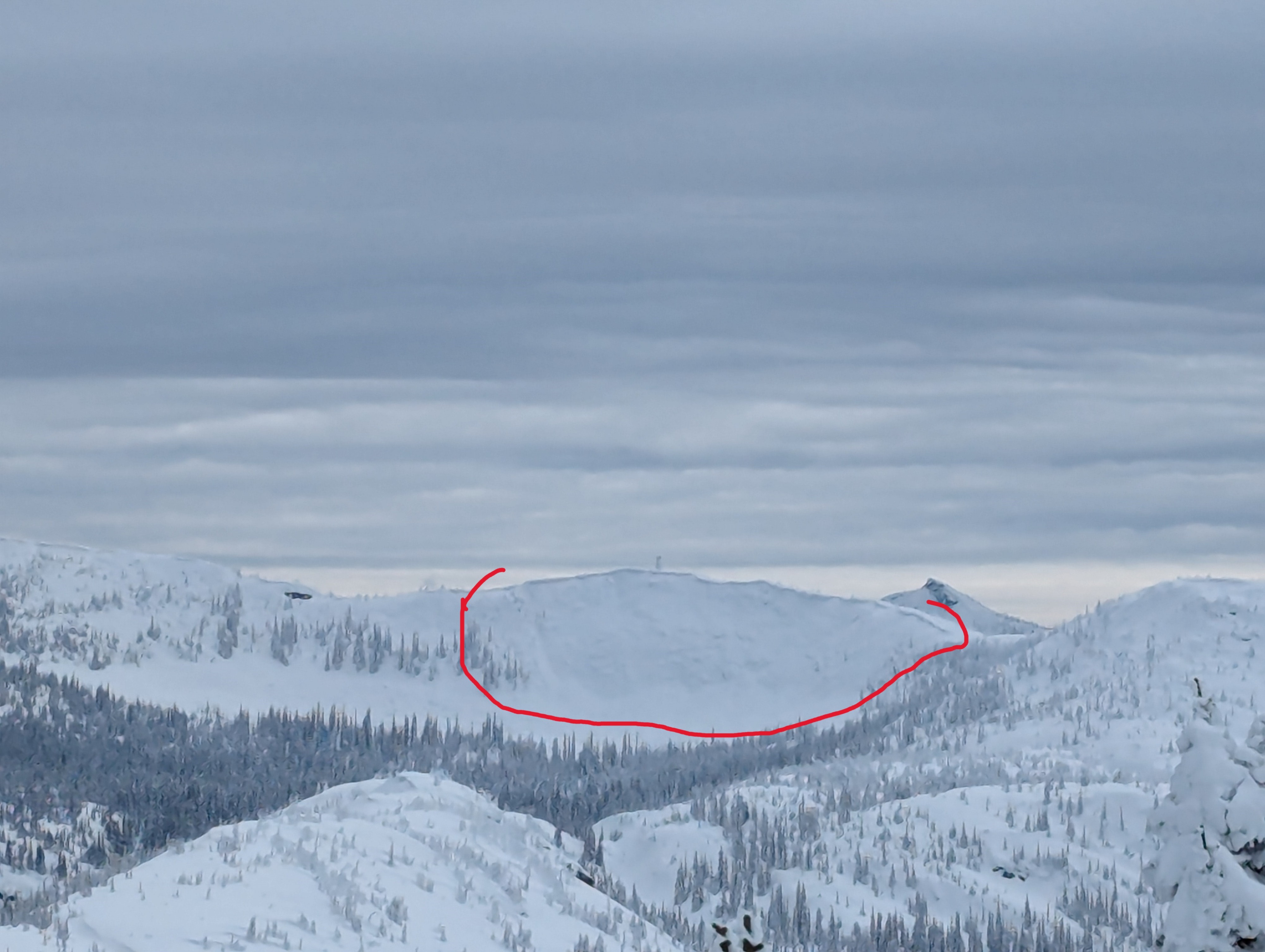
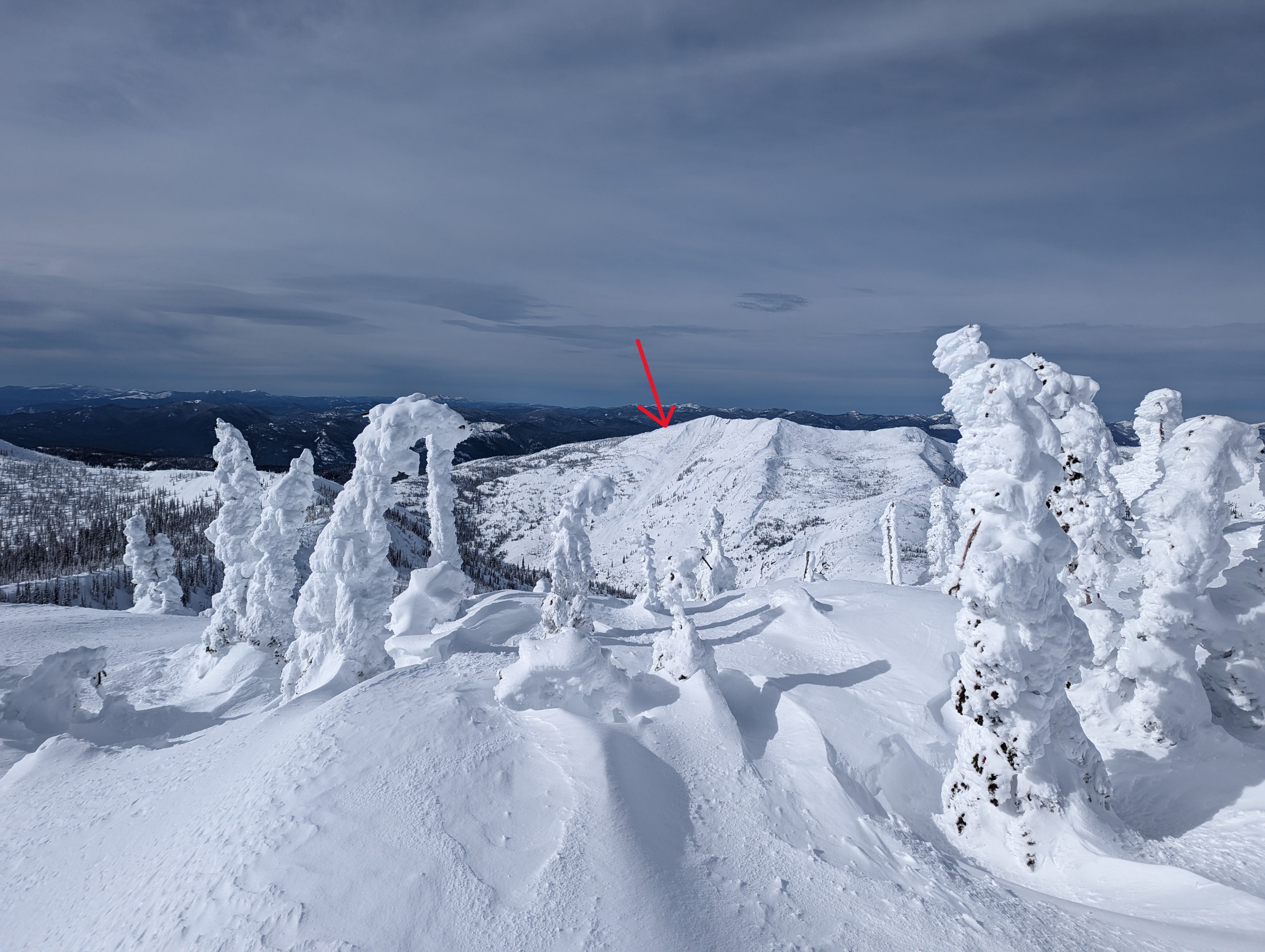
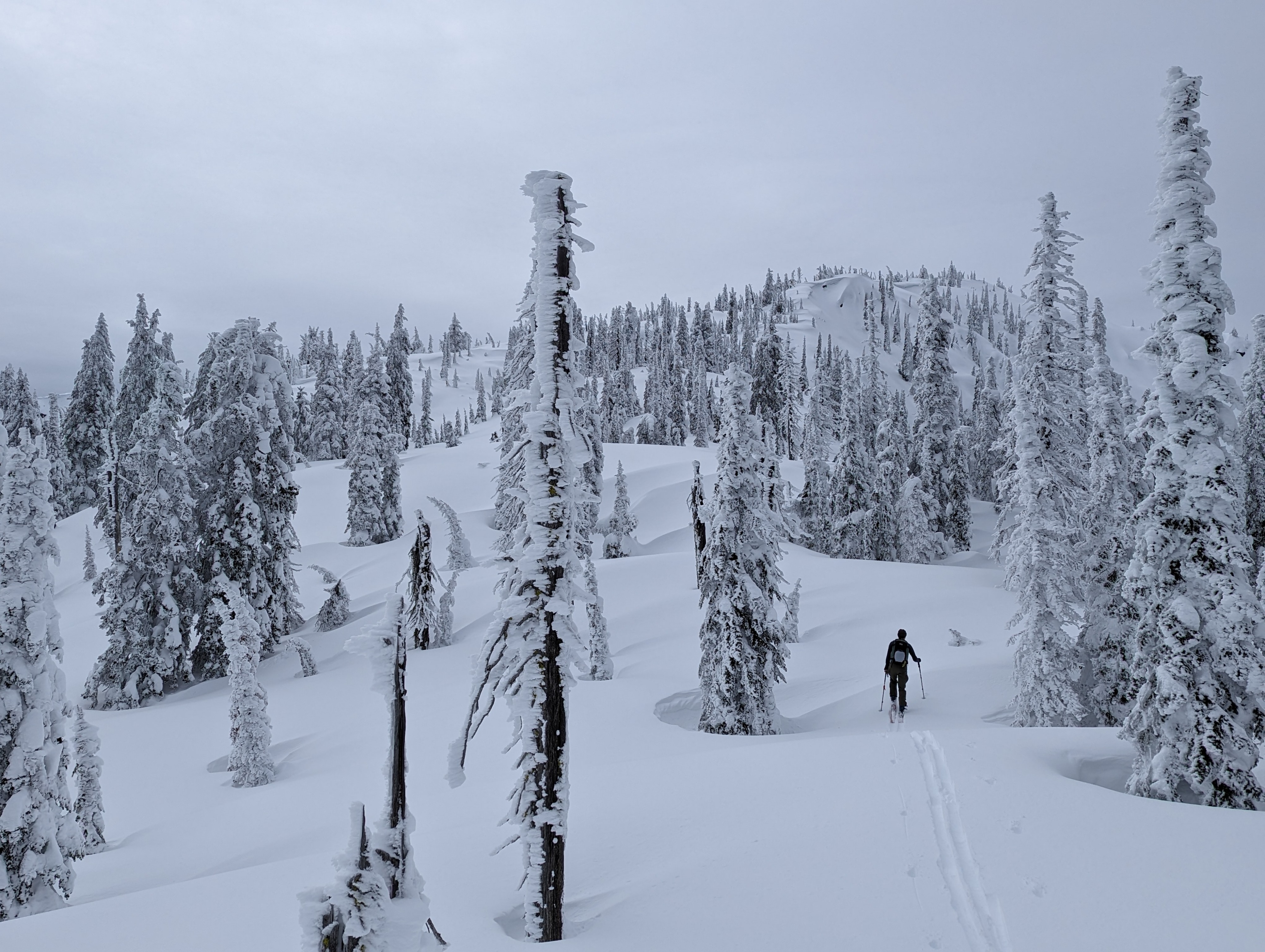
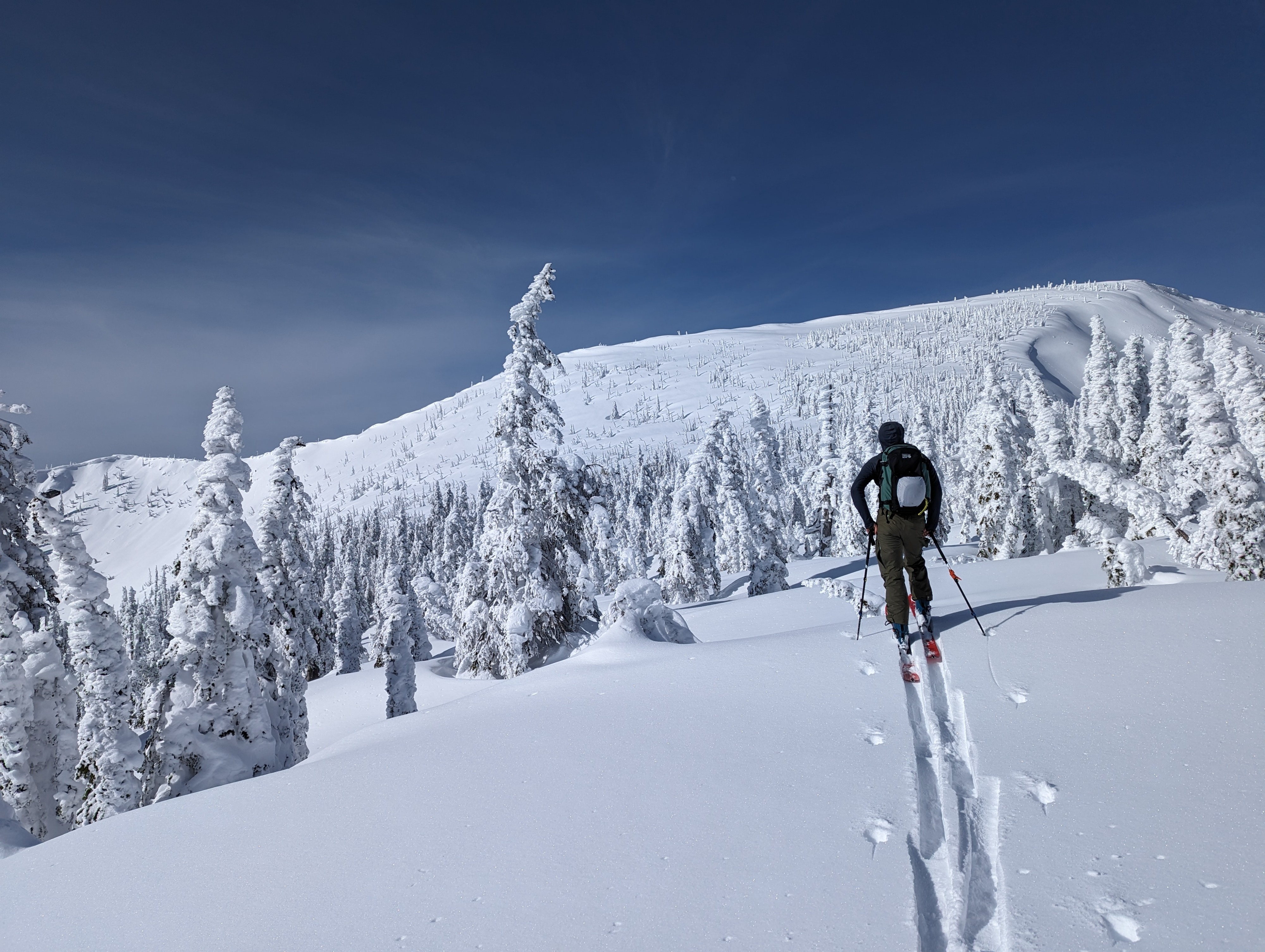
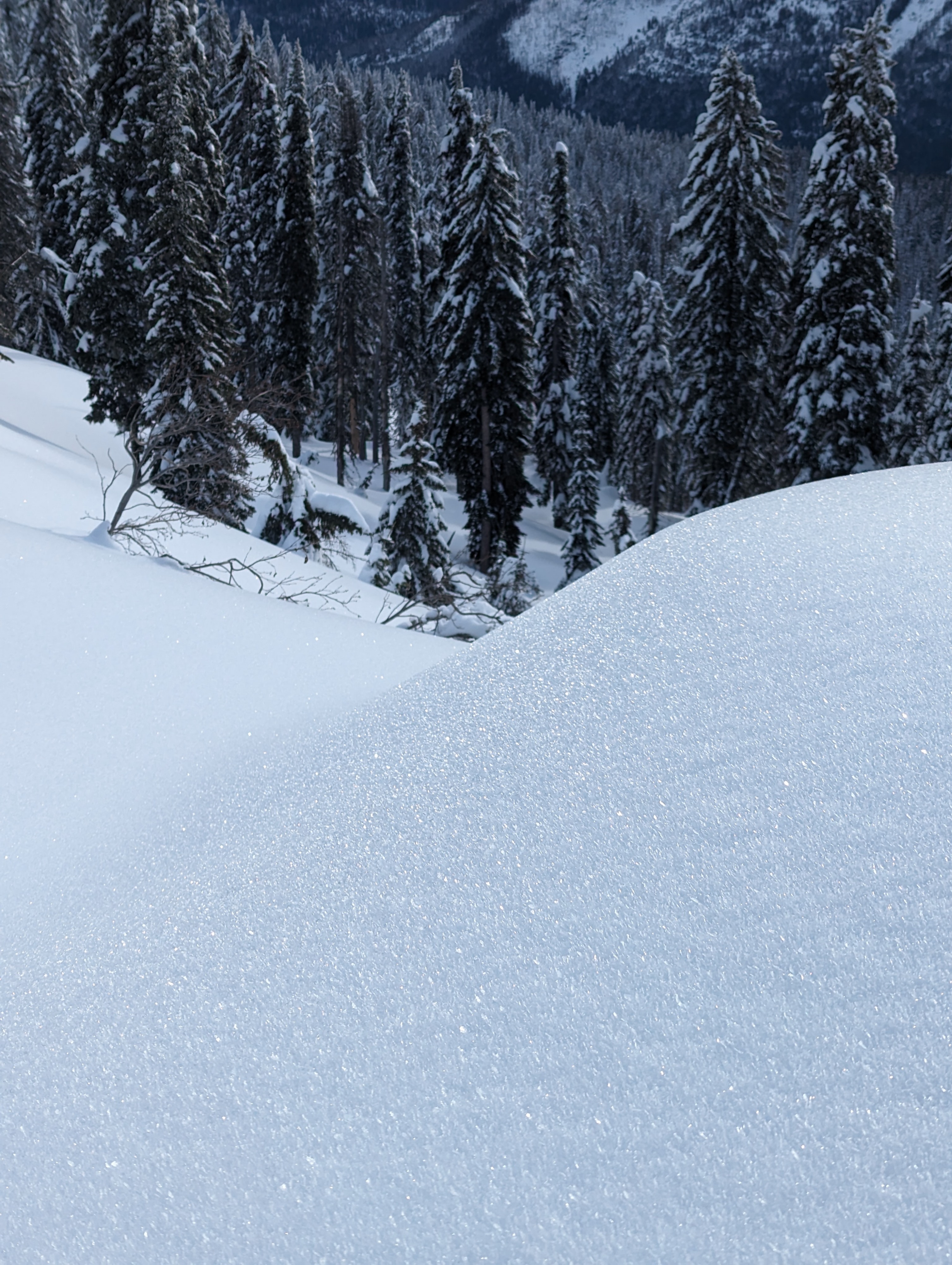
Went out to the West Fork Cabin for the night to get some skiing and exploring in before this next bout of storms came through the panhandle. We spent Friday setting a skin track and evaluating snow and terrain for the next days plan of skiing off Joe Peak. We were met with broken skies, light winds, and moderate temperatures hovering right around freezing. A breakable crust was forming on some solar aspects, but the distribution felt erratic. The crust would appear and then dissapear within 15-20 feet of travel. We dug a pit on a SE Aspect at 6,250 feet, 25 degree slope. We found similar results to what was described in the Friday 3/8 forecast. Moderate to Hard failures on the weak layer approx. 30-35 cm below the surface. The two column tests went CT30+ and CT15 (Q2). Additionally, there was lots of wind affected snow near ridge line but could not get any failures on small test slopes. On Saturday 3/9, we awoke to clear skies. While traveling we observed large surface hoar on all aspects and due to the overnight freezing temperatures the sun crust thickened to roughly 1/2". It was worse on South and South West aspects. Both the hoar and crust will definitely be something to keep in mind and look for as new snow starts to accumulate. As we gained elevation the winds grew stronger and gusts out of the S/SW were easily transporting snow. Looking around at nearby peaks we could make out out debris fields from old (assumed) natural avalanches. Due to the variability in the snowpack, and reports of large avalanches running on persistent layers just to the north in BC, we gave a wide berth to steeper terrain. We found great ski conditions on east / southeast facing slopes. At lower elevations, the sun was starting to affect the snow pack. We dodged snow bombs off the trees and skied through heavy snow back to the cabin.