
Quick report
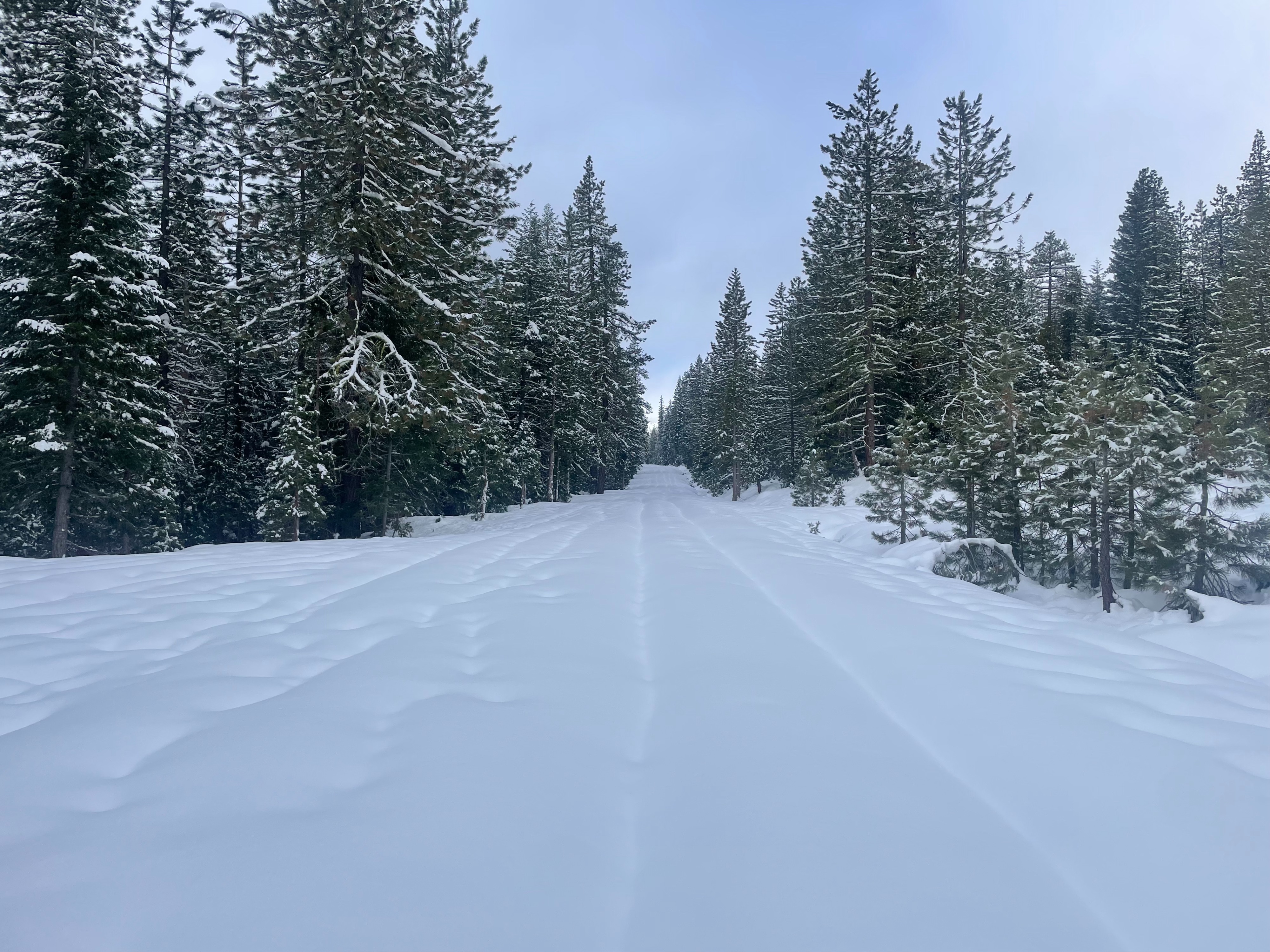
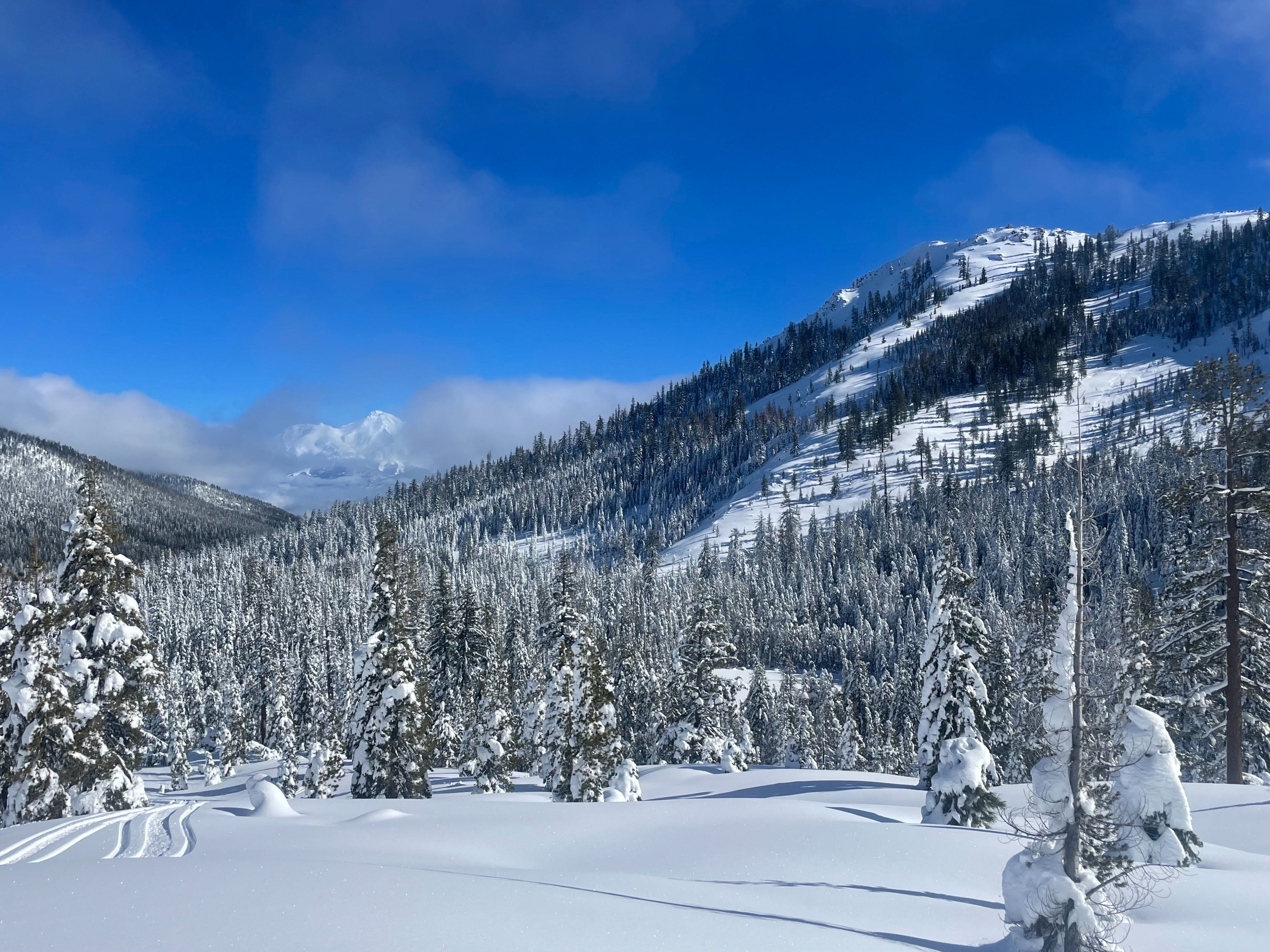
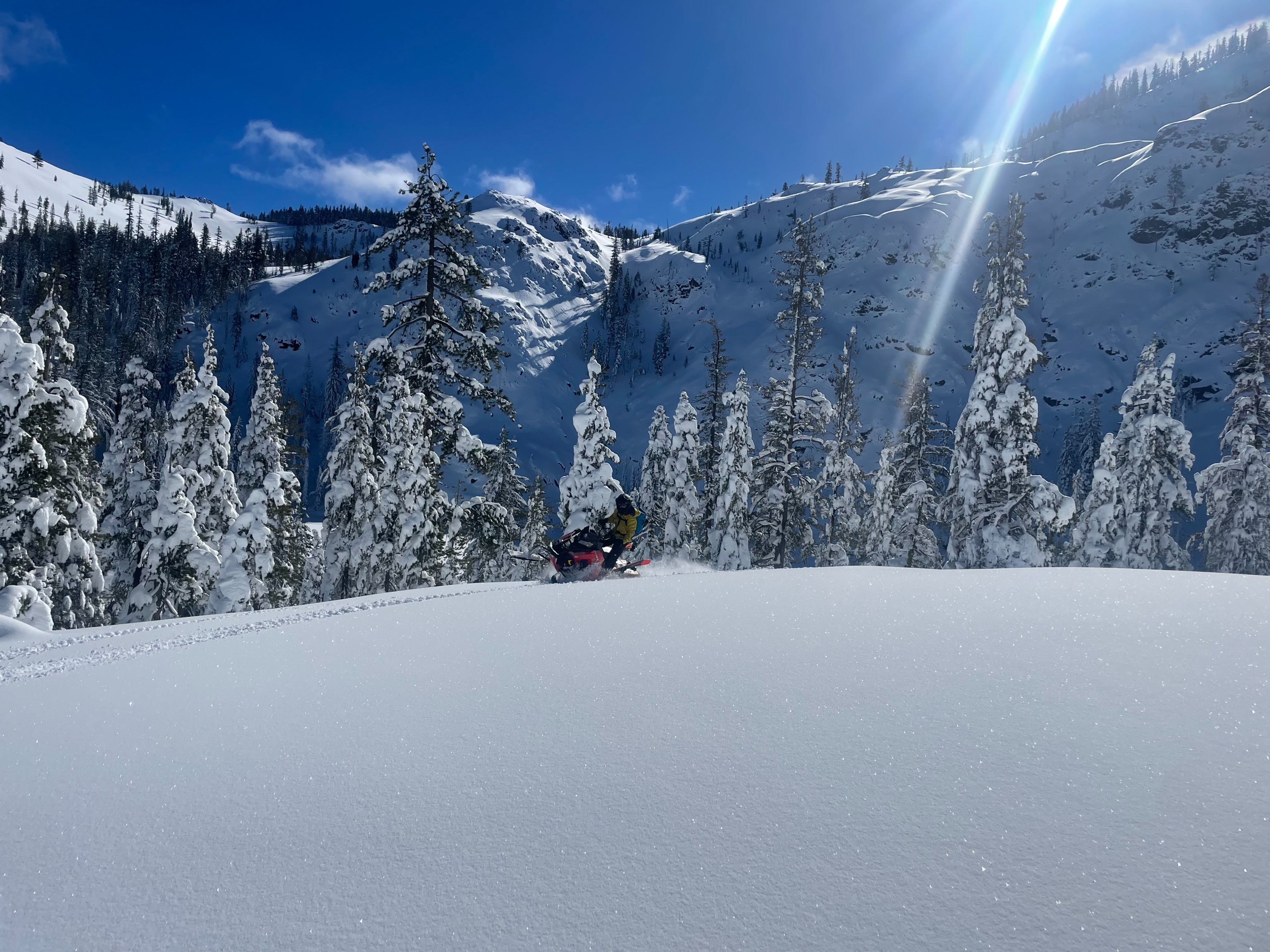
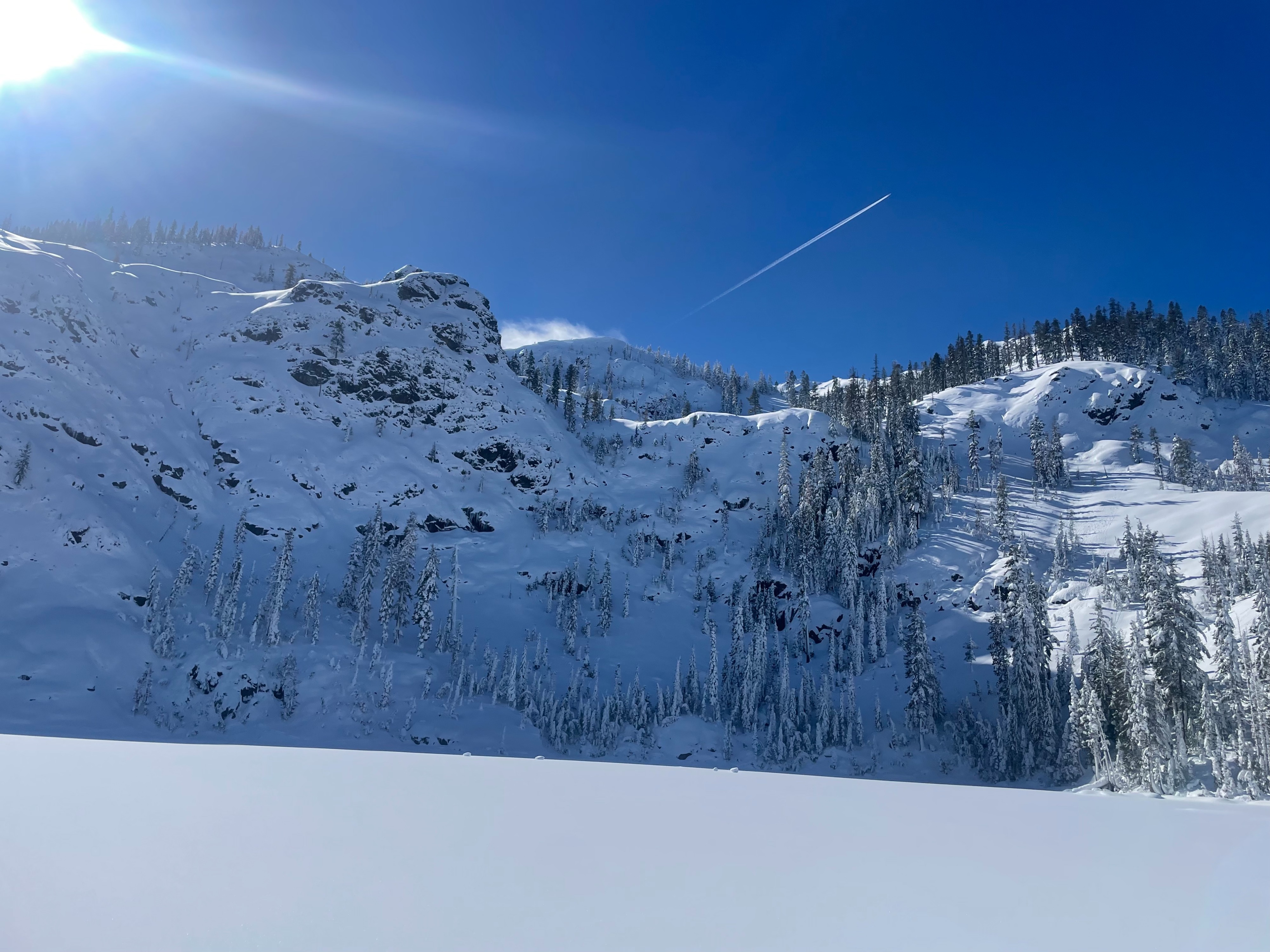
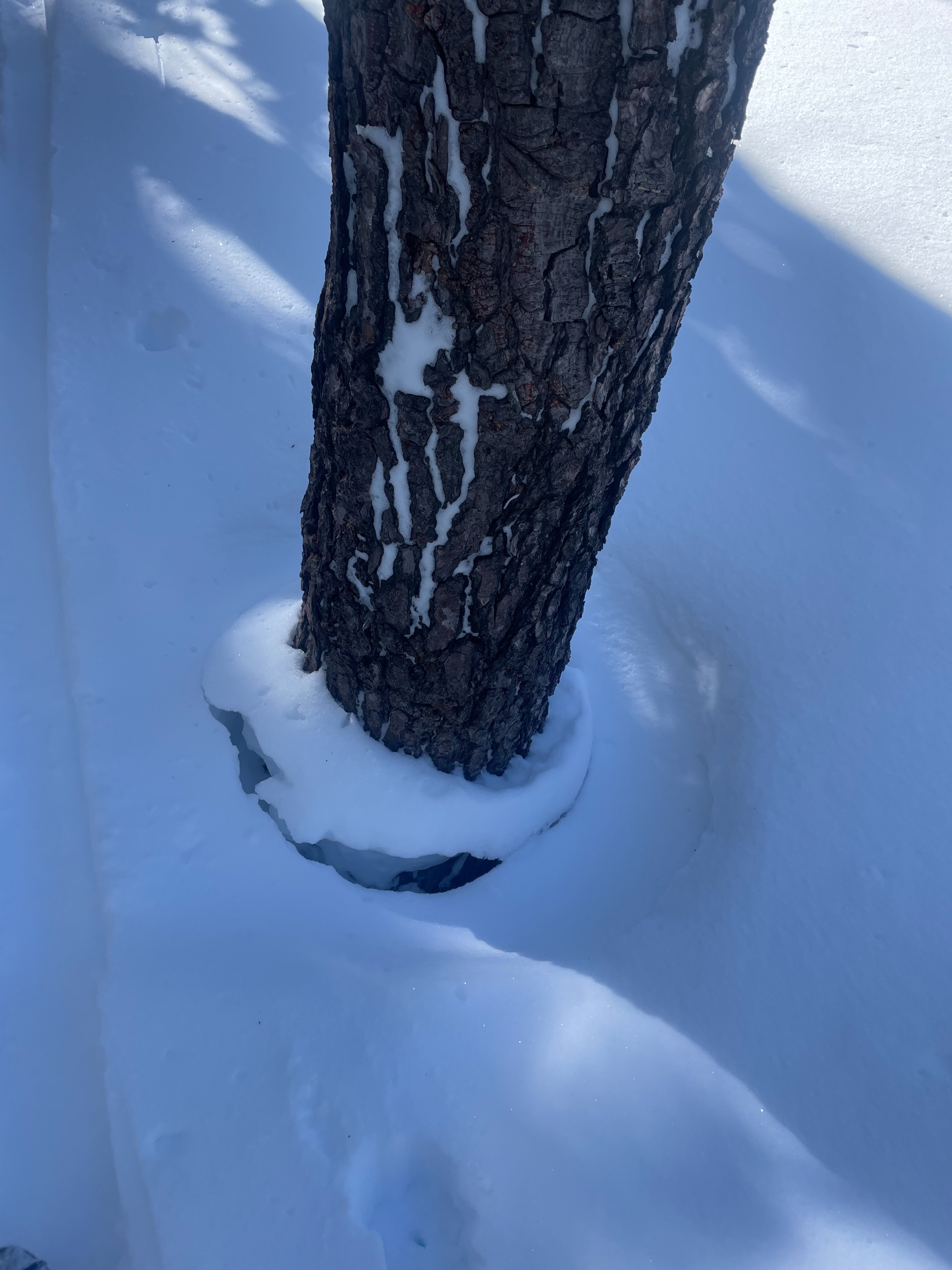
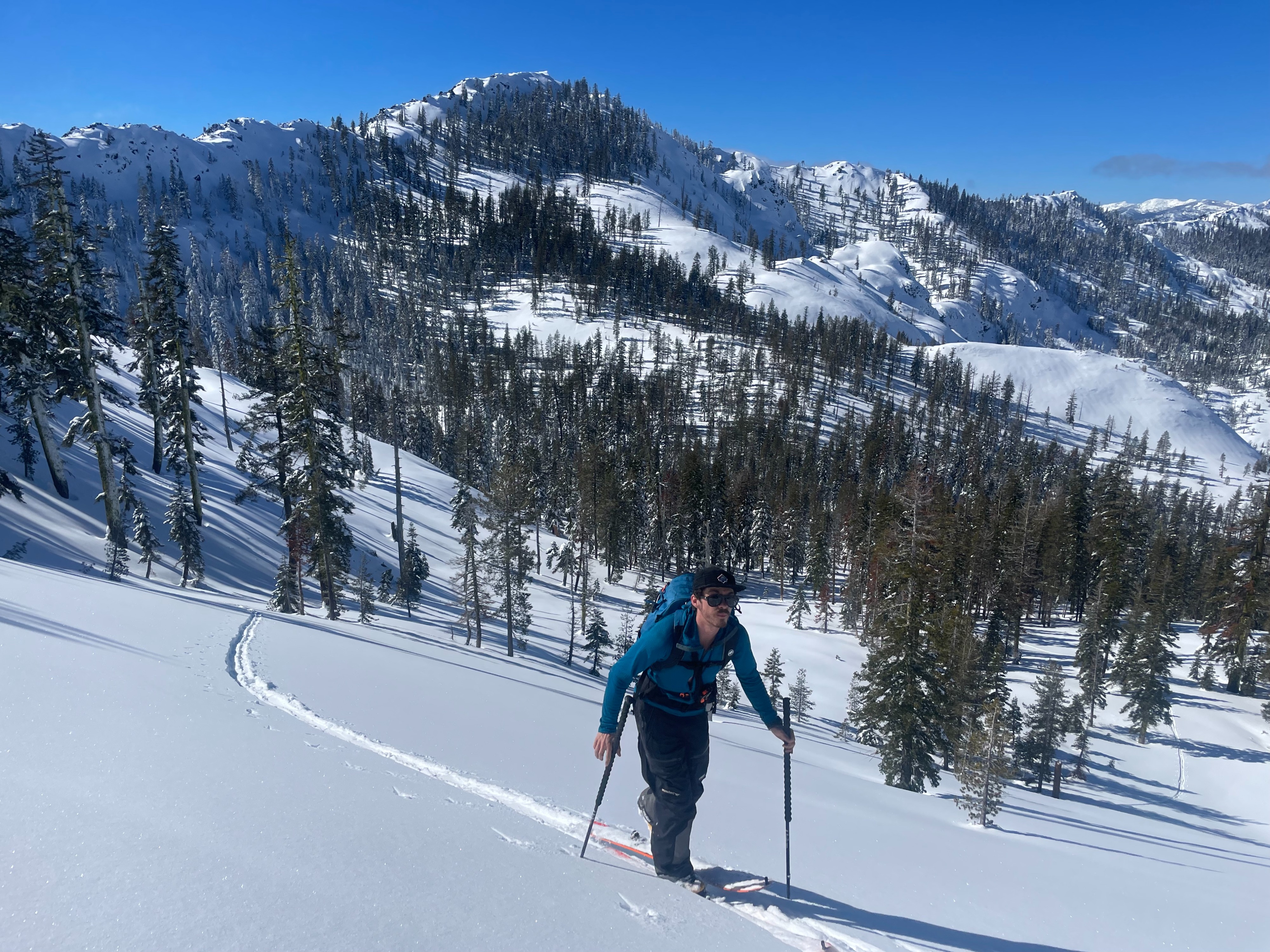
Today's objective was to assess snow condition and stability in the Cliff Lake area of the South Fork. Overall, Cliff Lake has decent coverage for winter recreating. Access is most challenging after leaving the south fork road, crossing the first stream. After that, mobility is still a bit slow-going on a snowmobile due to the coverage. Beside the access, most slopes hold excellent snow coverage. A pit dug above Terrace Lake at 6,900 feet (north aspect) showed a total snow depth of 140 inches. All lakes are well frozen over.
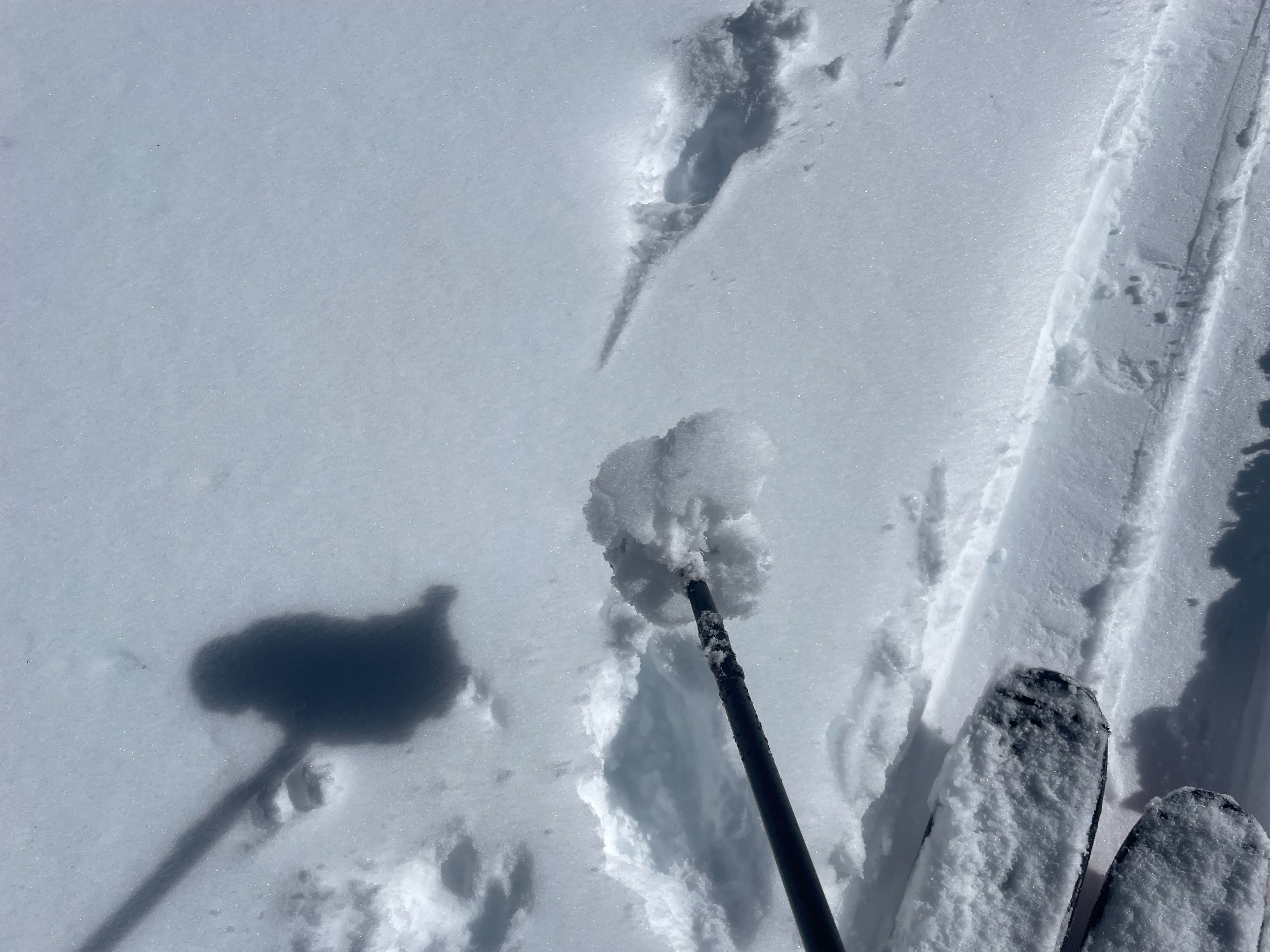
The snowpack in this area is strong and supportable. Due to the warming, small wet loose avalanches were observed on southerly aspects all around the basin. These slopes will likely develop a crust in the coming nights.
Solar aspects began to show a rise in warming instability in the form of small, wet loose avalanches.Weather
- Air Temp
- 36
- Cloud Cover
- clear
- Wind Loading
- none
- Rain Elevation
- N/A
- Recent Snowfall
- 0
- Snow Avail For Transport
- moderate amounts
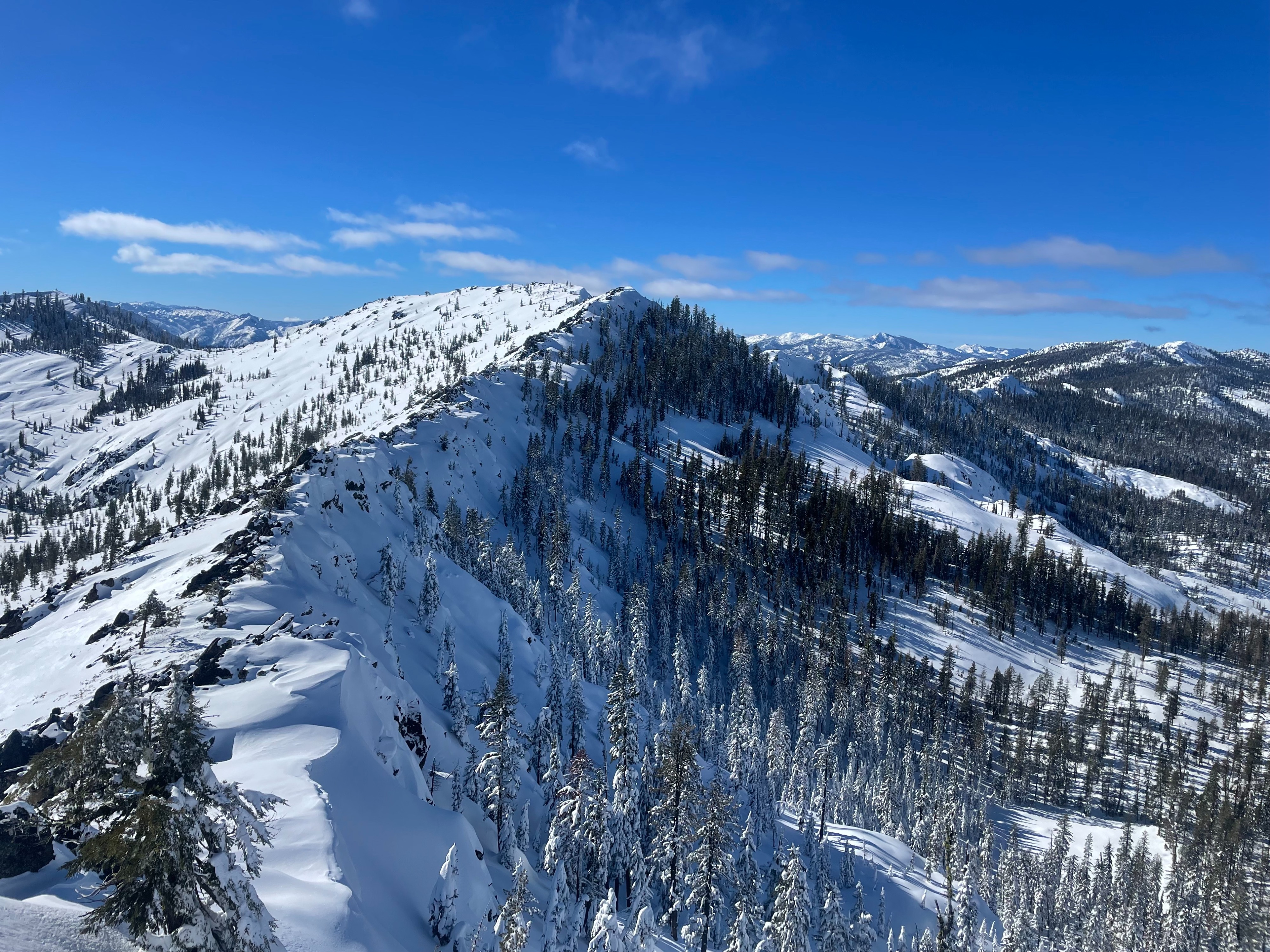
The day started out cloudy, due to a slight temperature inversion in the valleys. Upon climbing up the South Fork drainage, skies cleared to bluebird conditions, and held for the rest of the day. Winds remained calm, with the direction being unnoticeable. Temperatures rose through the day, climbing above freezing through the majority of the afternoon.
Snowpack
A pit dug at 6,900 feet on a northerly aspect showed little for instability. With a total snow depth of 140 inches (355 cm), the snowpack showed 10 inches of soft new snow (fist hard), on top of a stout (1 finger hard) wind slab of about 12 inches. This slab was so hard, it proved quite challenging just to dig through. Below the wind compressed slab, old soft snow reached as far as 40 inches beneath the surface (4 finger to 1 finger). Overall, this snowpack was completely unreactive to stability tests, and showed no obvious signs of weakness.
Avalanche
Being the first real visit to Cliff Lake this season, we found multiple aspects holding old buried debris from recent avalanches (likely during last week's storm cycle). As for today's activities, solar aspects began to release small, wet loose avalanches, running up to 40 feet in length. Though harmless, these avalanches were a tell-tale sign of warming instability as temps continued to climb. On shaded aspects, snow remained cold and dry. On the steepest slopes (40+ degrees), the cold dry snow still allowed for dry sloughing to occur.