
Quick report
- Cracking
- specific
- Collapsing
- specific
I wanted to look at north and east aspects where weather stations have indicated the most water is moving through the snowpack. But I also wanted to limit my exposure to avalanche terrain, so I detoured well out of my way to avoid the typical skin track on the Rock Creek Road to get to lower-angled slopes with poor snowpack structure.
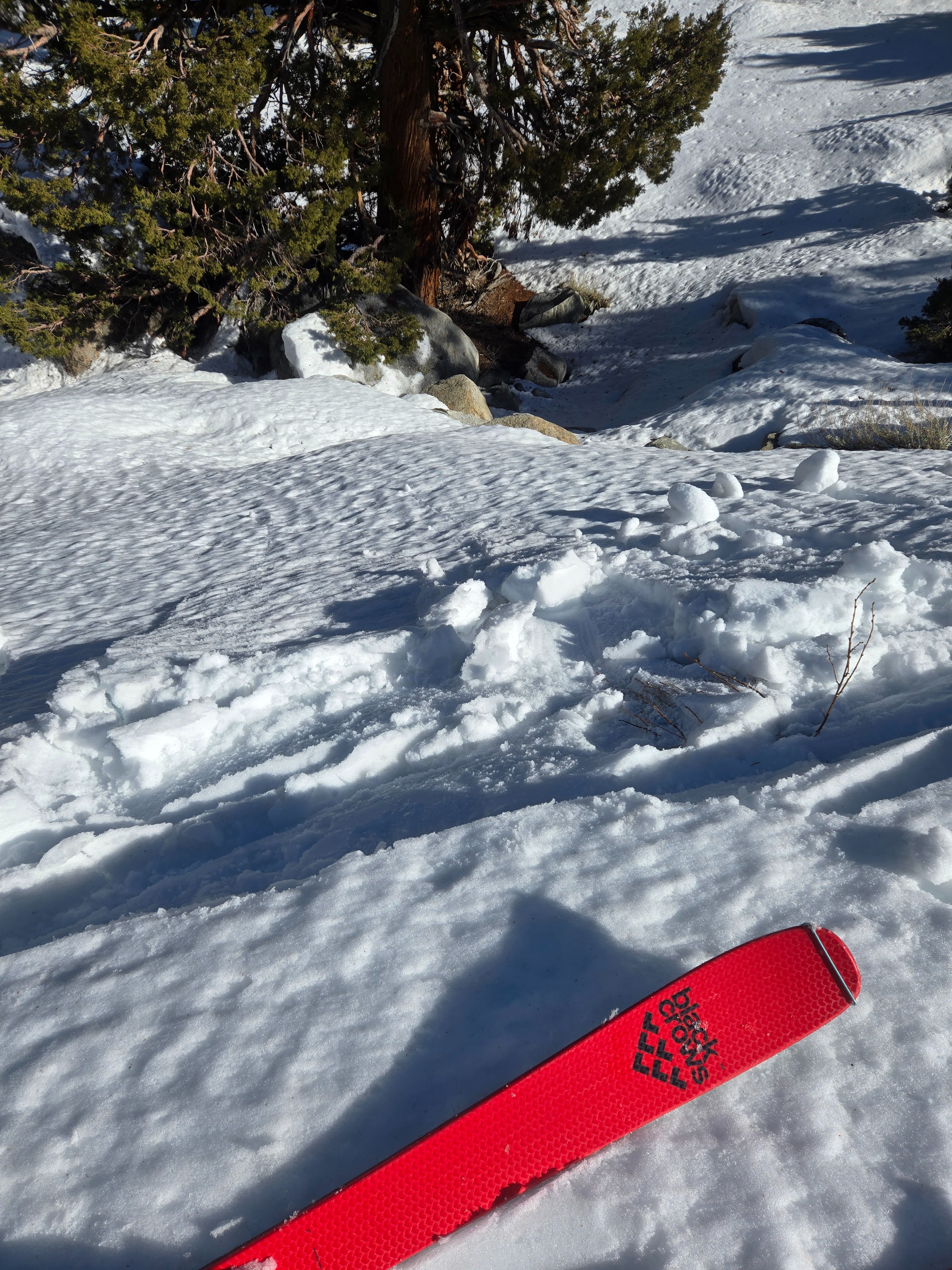
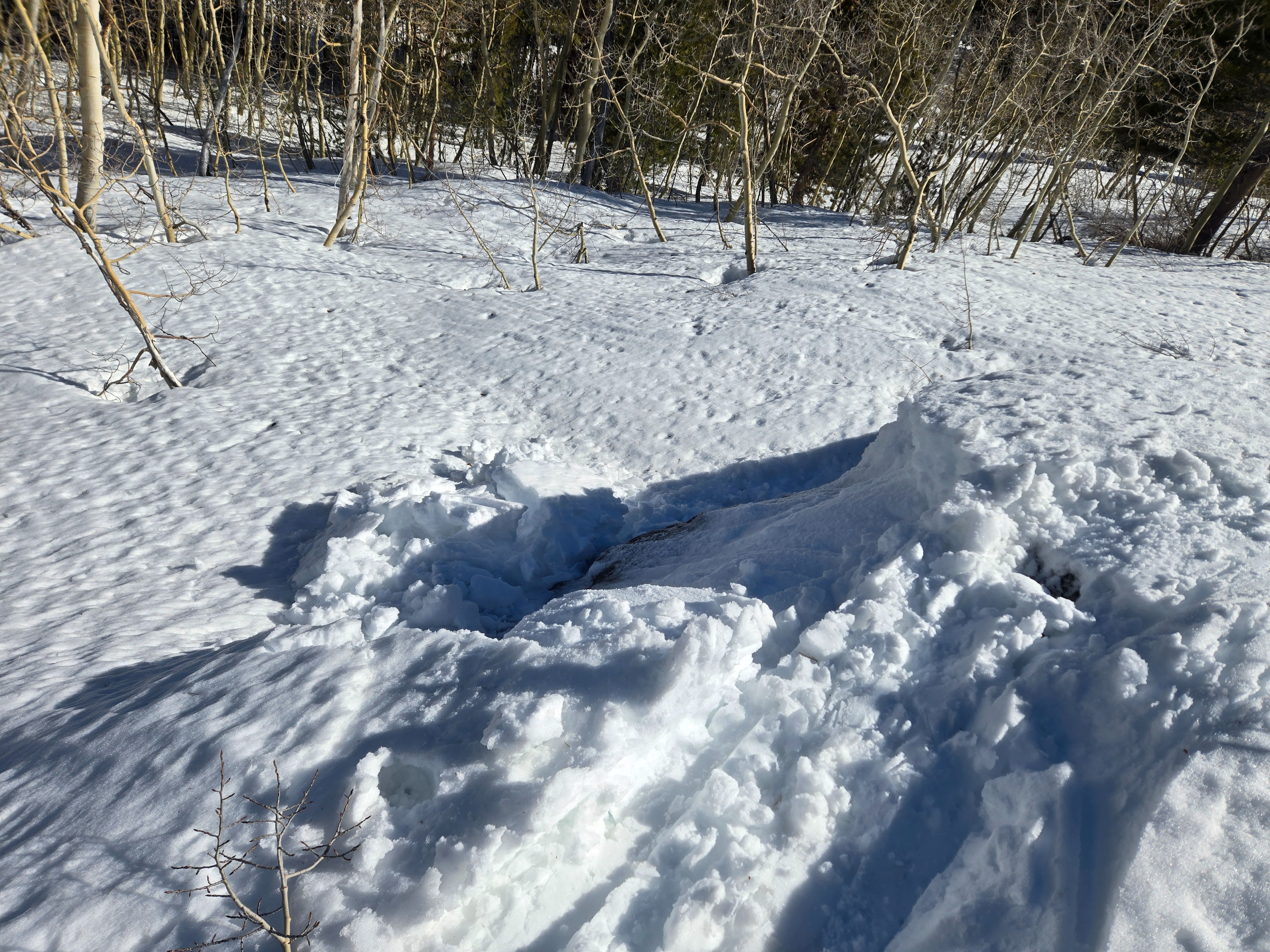
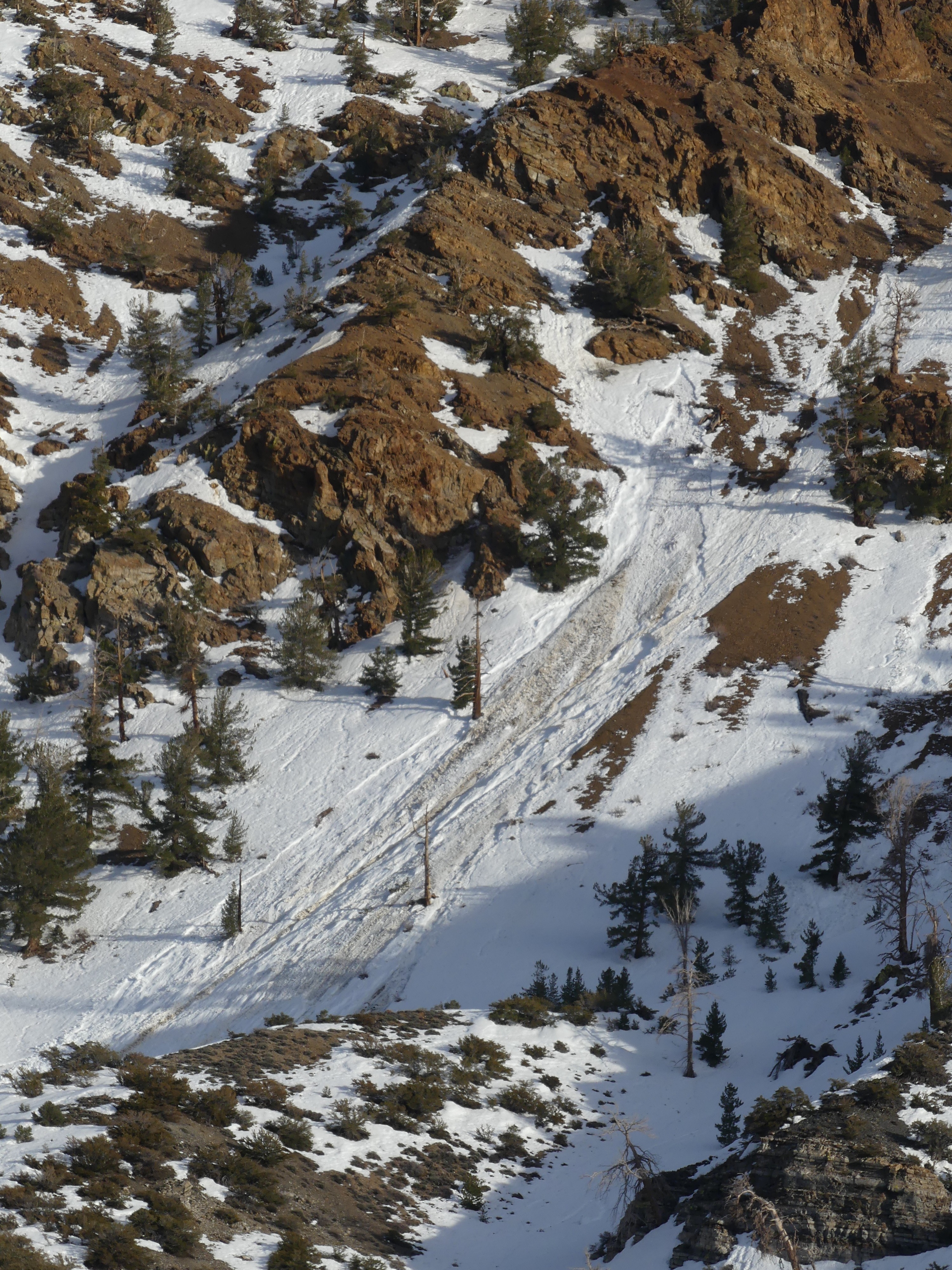
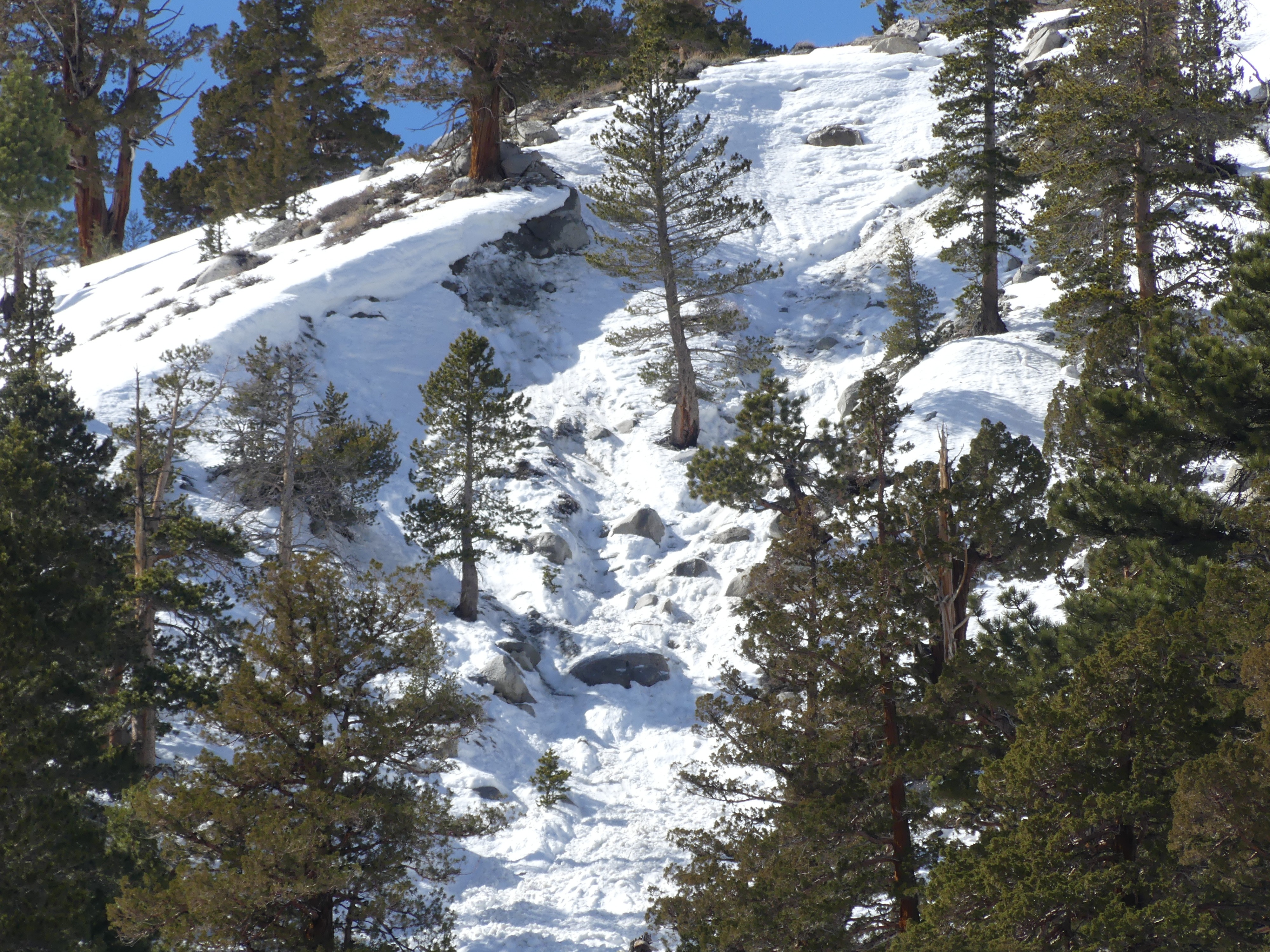
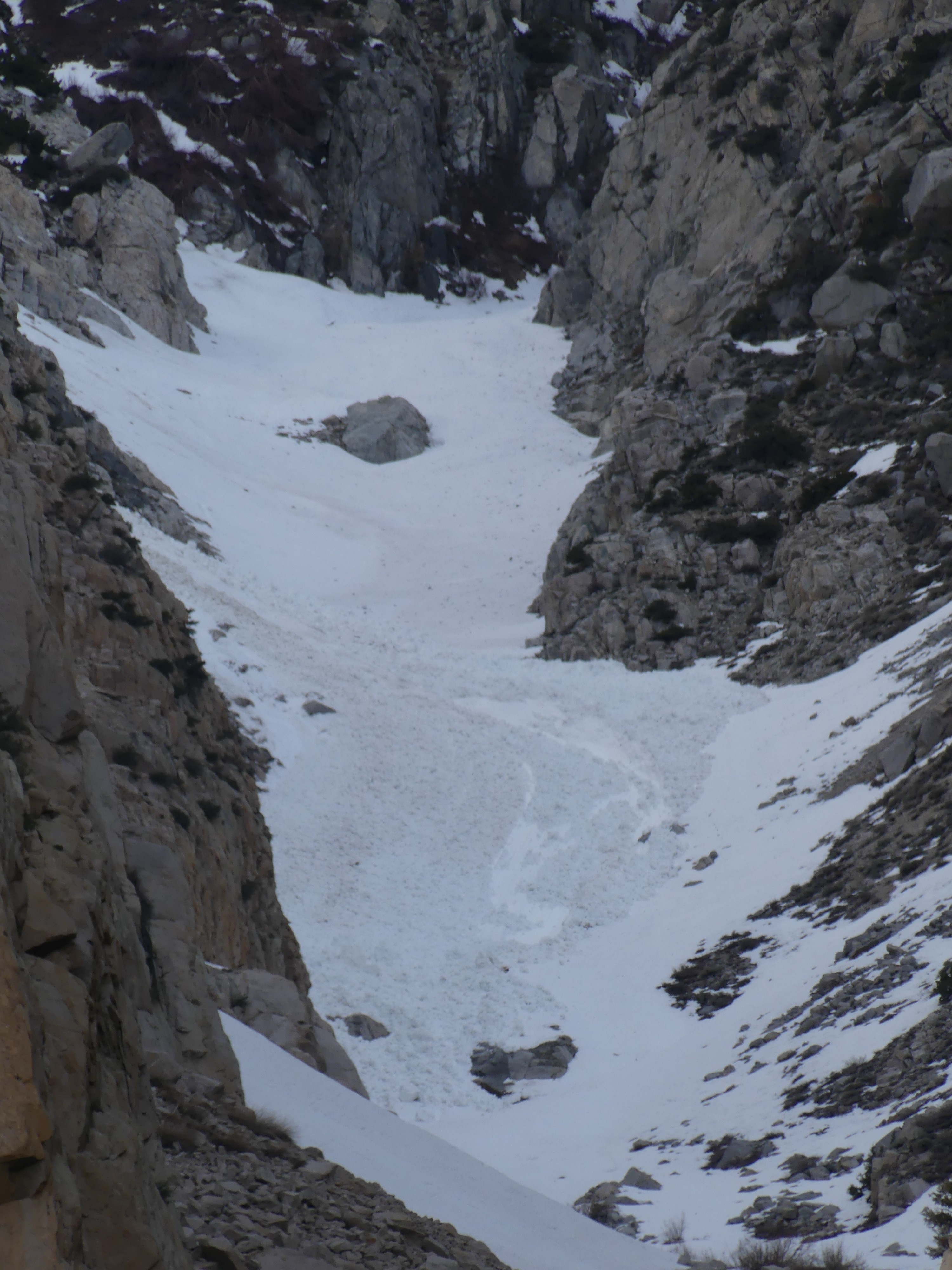
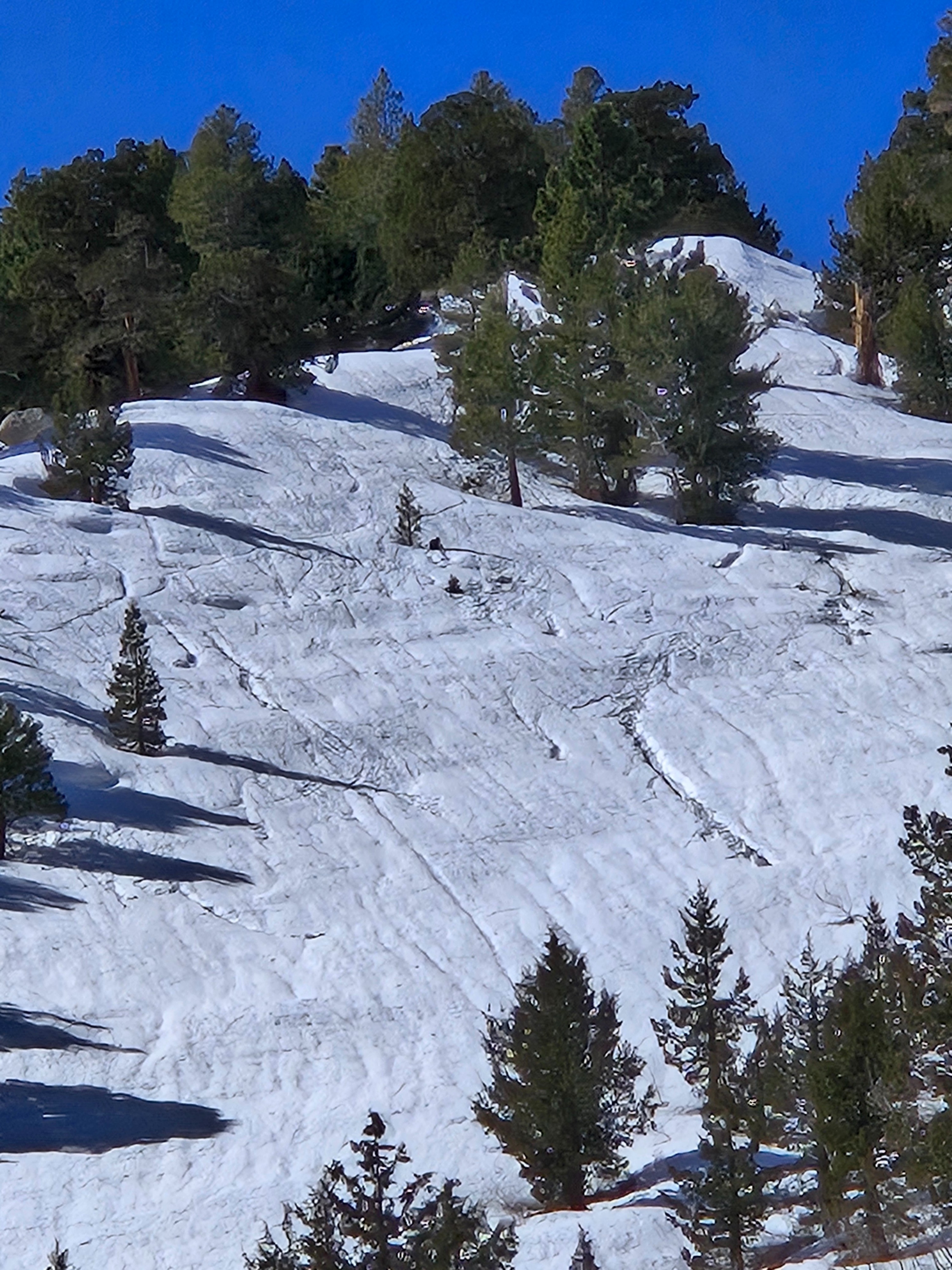
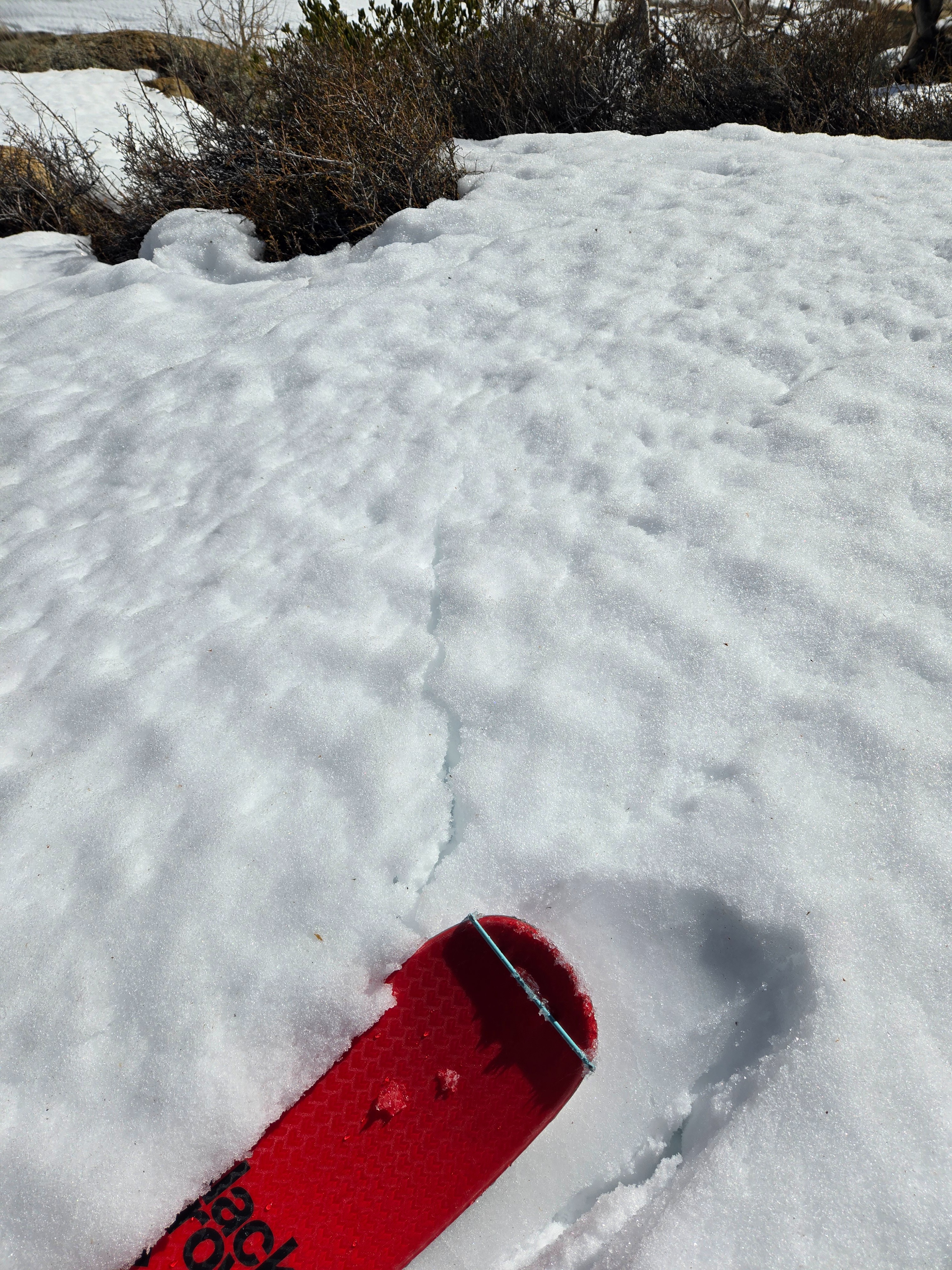
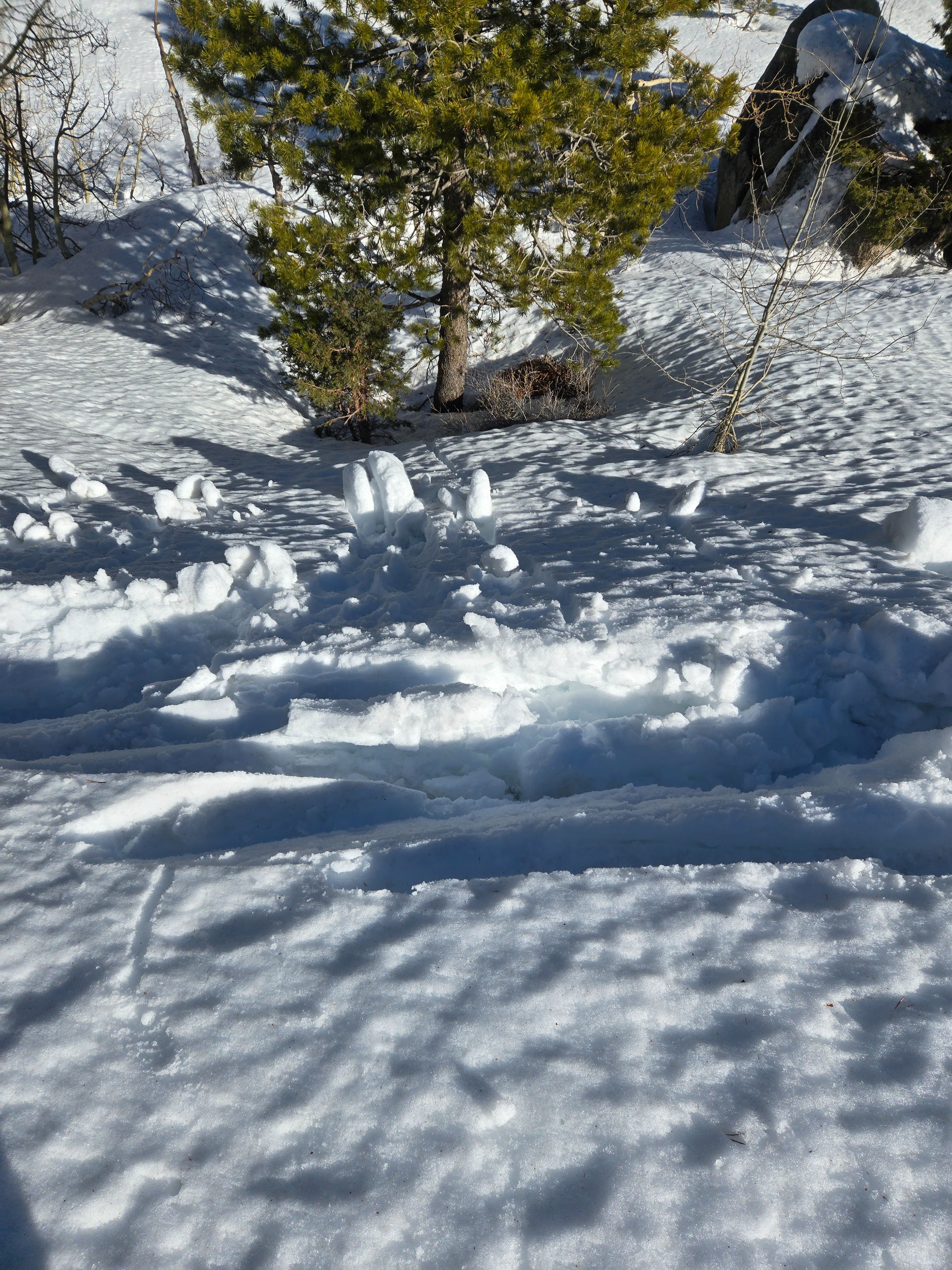
Along the way, I got collapses and cracking in wet facets below the surface. My snowpack tests supported the assessment of poor stability in wet snow, and so did the wet snow avalanches I saw in the afternoon.
I drove around the southern parts of the forecast area late in the day and saw more evidence of wet snow avlanches.
I got one slope-scale collapse, several feature-scale whumpfs, and many localized collapses and cracks. All of these seemed to result from moist-to-wet facets collapsing under denser wet surface snow. On very small test slopes, I triggered big rollers, and it was easy to push wet snow downhill.Weather
- Air Temp
- 50s
- Cloud Cover
- scattered
- Wind Loading
- none
- Recent Snowfall
- 0
- Snow Avail For Transport
- small smounts
Very warm with temps to 50 degrees at 10,000 feet. Partly cloudy throughout the day. Light to moderate winds were only responsible for minimal, isolated blowing snow. The winds also don't seem to have cooled the snow surface at all where I traveled.
Snowpack
Melt water has been percolating through the snowpack, wetting or saturating buried weak layers near and below treeline on east, northeast, and north aspects. When I tested the weakest layer (70 cm below the surface) with a propagation saw test, my results indicated poor stability (PST end 30/100).
On southeast aspects, coverage is worse; the snowpack was shallower, and about 30 cm of wet snow sat atop a thick, hard melt-freeze crust.
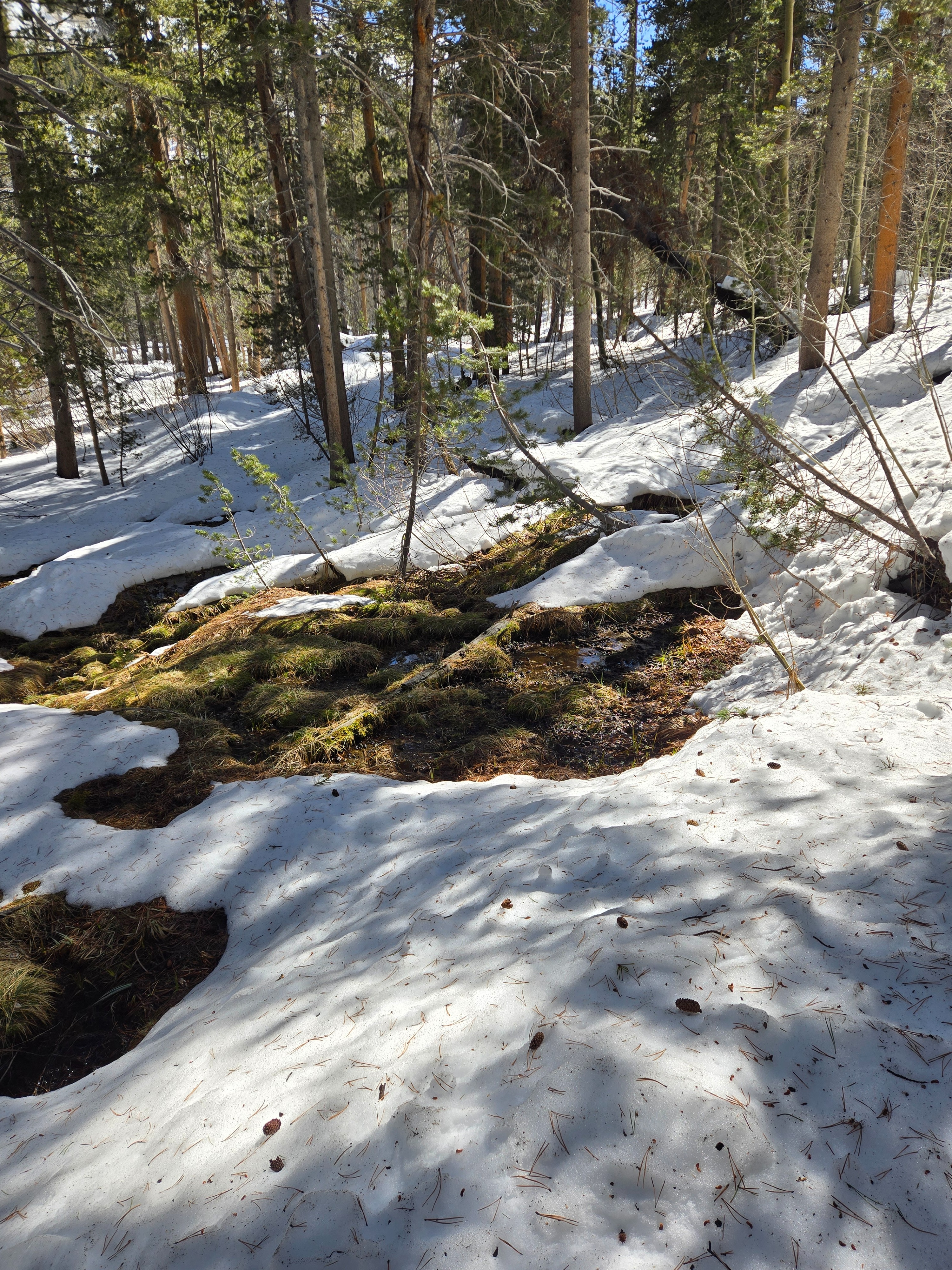
There are runnels near and below treeline, and water is running out from under the pack at the lowest elevations. Waterways are opening up quickly below treeline due to rapid melting.
Avalanche
- Size
- D1.5
- Type
- WL
- Count
- 3
- Aspect
- NW
- Trigger
- N
- Elevation
- 9300 ft
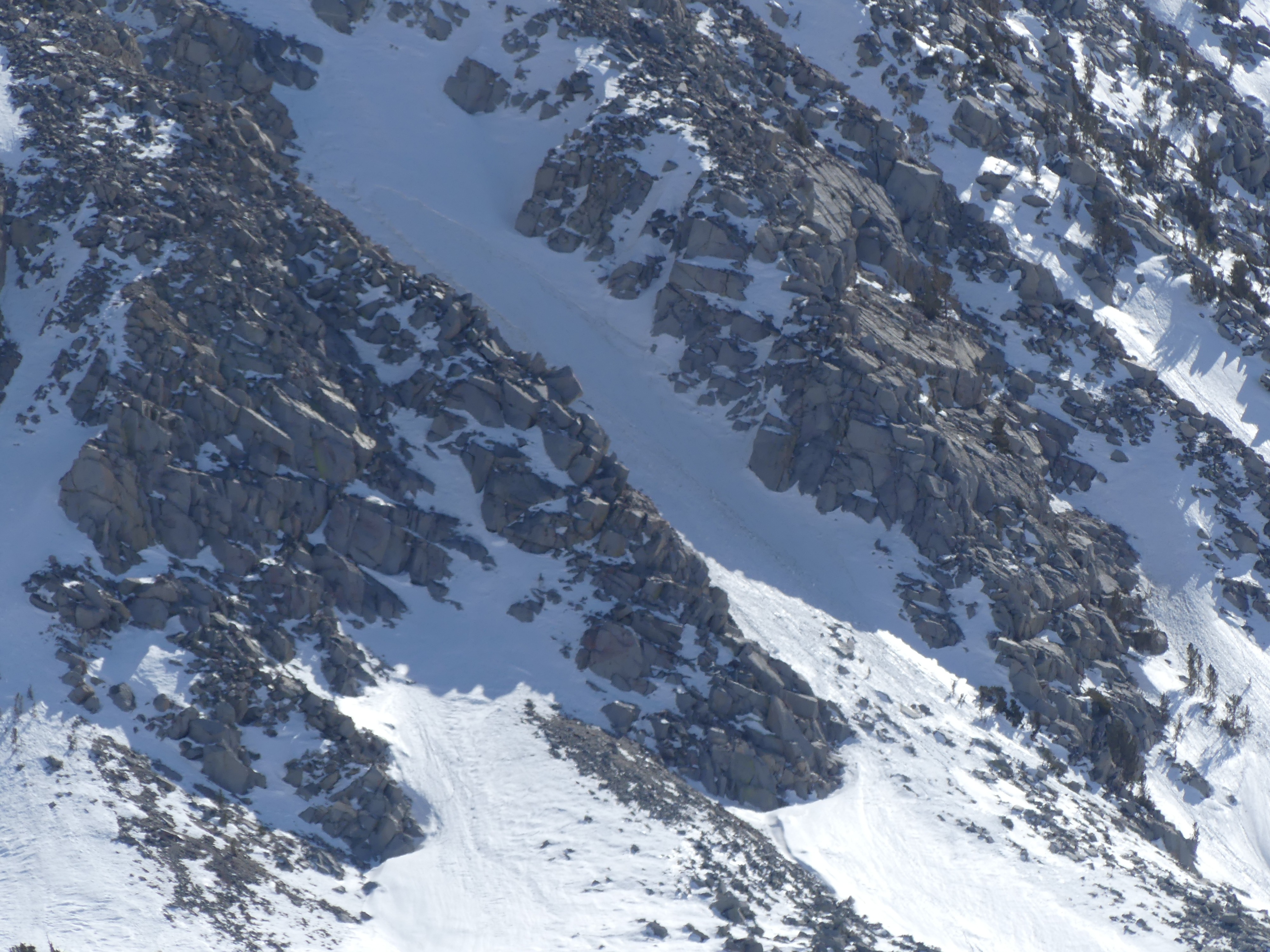
In addition to these avalanches, I saw a large new wet debris pile feeding into the bottom of the Sheelite Couloir in Pine Creek. This avalanche likely ran late on 2/24 or during the day on 2/25, and probably started on a north aspect.