
Quick report
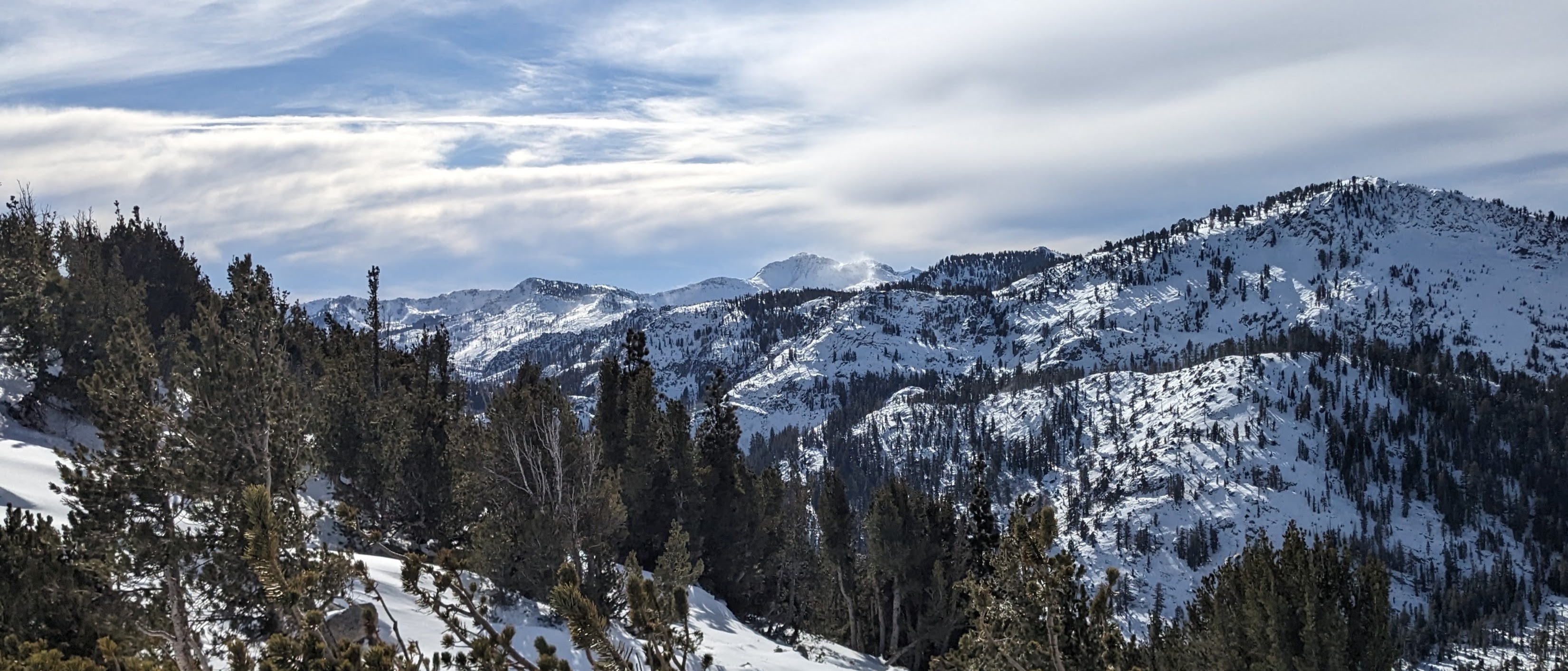
We went to Rubicon today to examine the various weak layers in the snowpack at different elevations. As expected, the layers at the bottom of the snowpack got weaker as we ascended (see snowpack section for details).
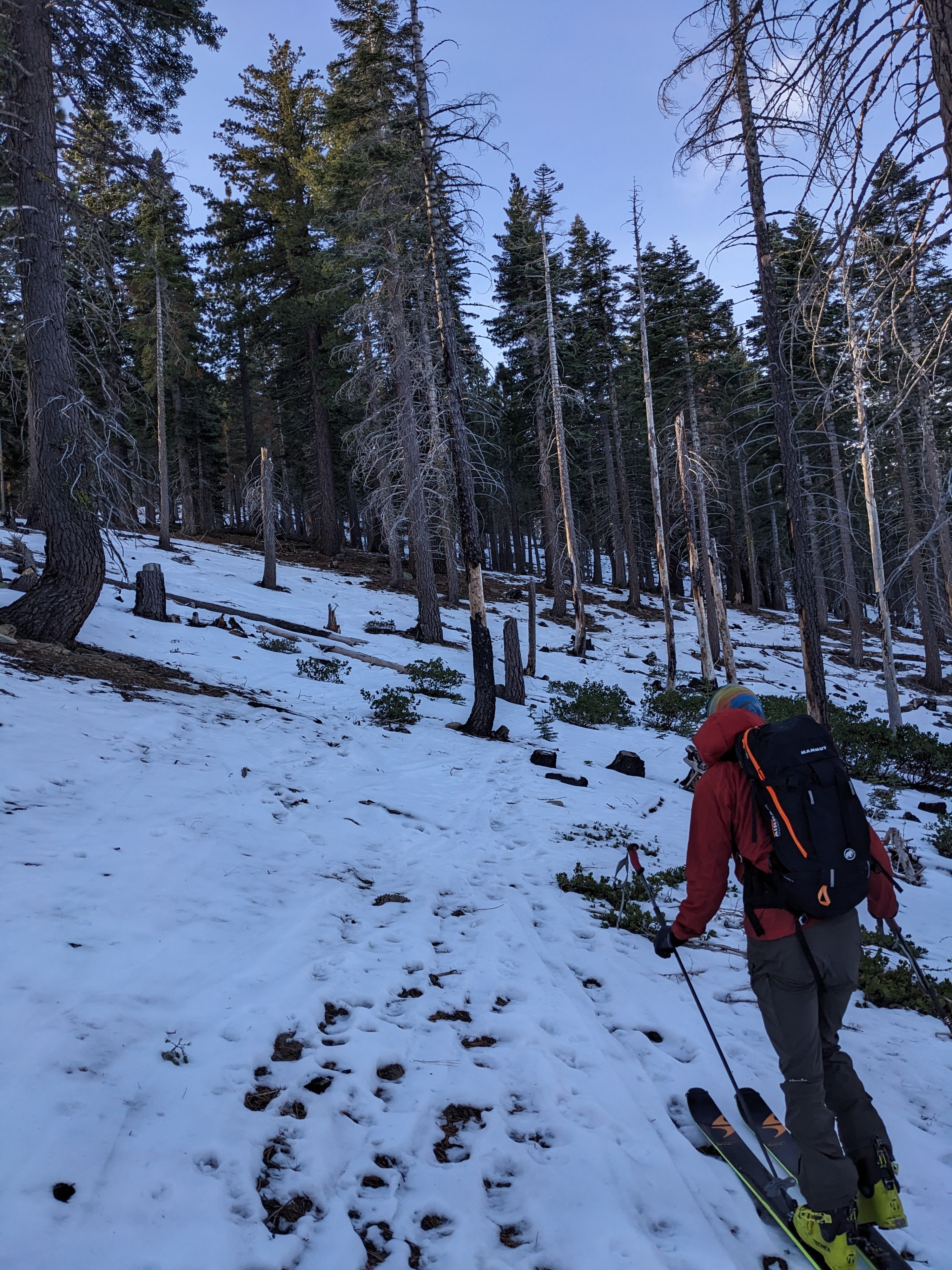
Snow coverage followed the opposite pattern. The snow barely covered the ground from the trailhead to about 7400 ft. Up to 8400 ft, coverage improved, but numerous rocks and other obstacles remained exposed. Above 8400 ft, snow coverage was much better, although the larger rocks still needed more snow to get buried.
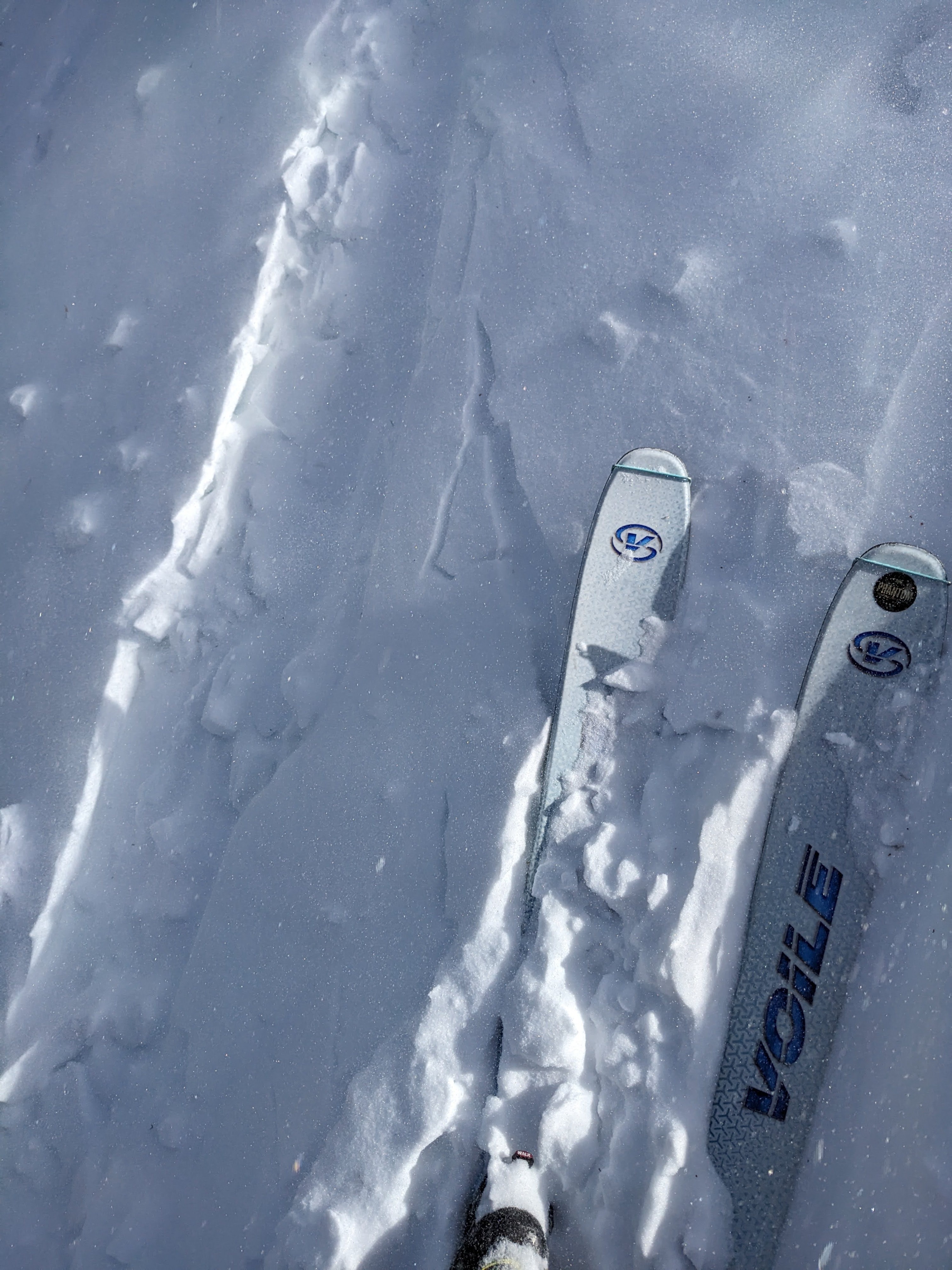
Once we got to the upper 3rd of the peak, we started seeing some blowing snow during the stronger wind gusts. Near the ridge, we also found some small areas of wind-drifted snow that only measured about 1-2 inches deep and did not extend more than a couple of feet away from the ridges.
Weather
- Air Temp
- 39
- Cloud Cover
- broken
- Wind Loading
- moderate
- Snow Avail For Transport
- small smounts
The winds and clouds increased during our tour. Near the summit of Rubicon, the wind gusts were strong enough to knock a person off balance at times. These winds also started blowing snow, which was intense for short bursts.
Snowpack
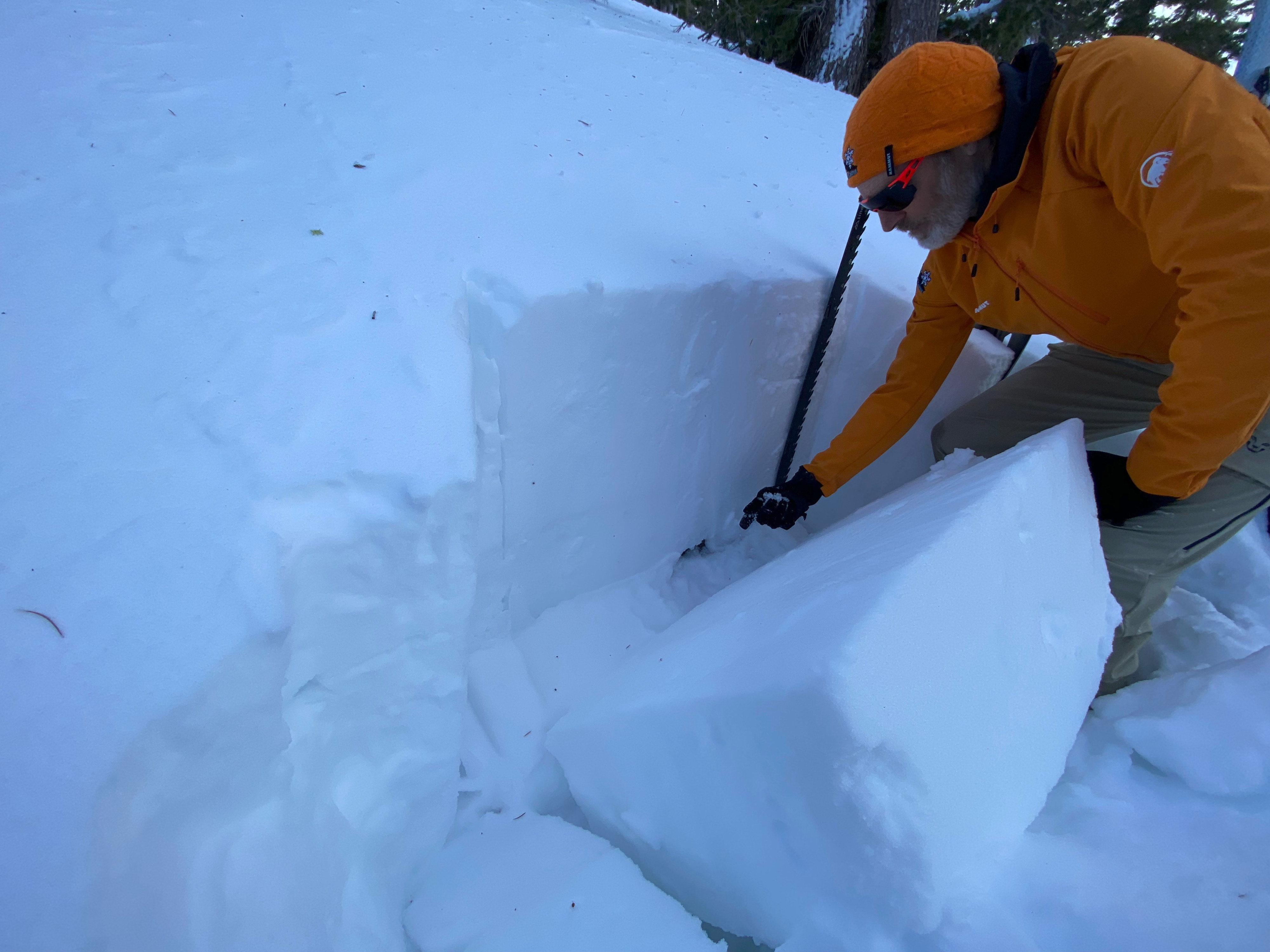
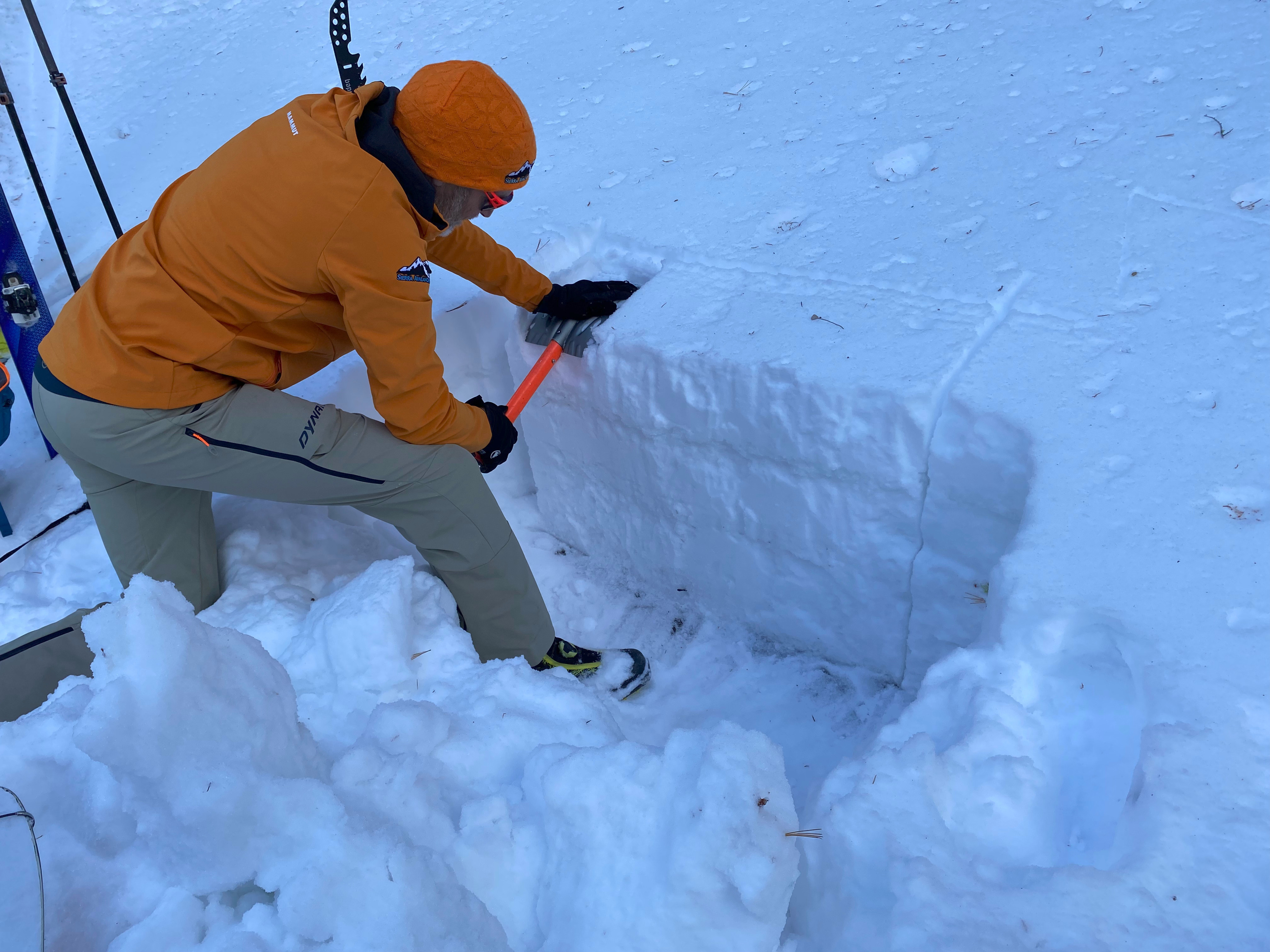
We dug two snowpits: one at 8100 ft and one at 8600 ft. Both areas had soft, sugary snow on the surface, with dense, firm snow in the middle of the snowpack. The old, weak snow at the base of the snowpack was moist at both elevations. It was less developed and more consolidated at 8100 ft. At 8600 ft., the weak snow remained loose and weak. Tests at 8100 ft. did not produce unstable results (ECTN). Tests at 8600 ft. failed on the weak snow at the base of the snowpack. These tests also indicated that while it may be more difficult to break this layer, fractures could still travel through the weak snow (ECTP 27).