
Quick report
- Cracking
- isolated
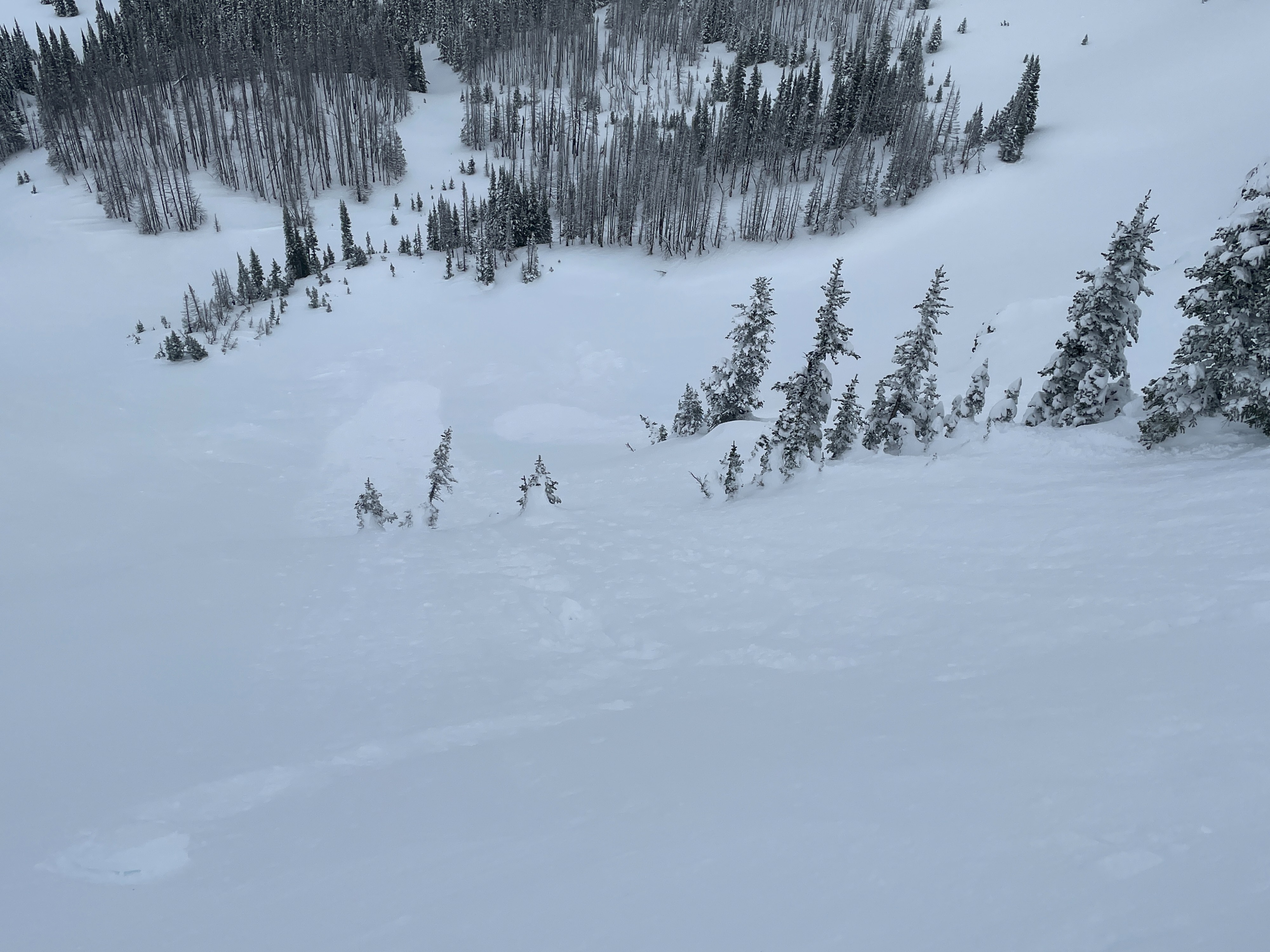
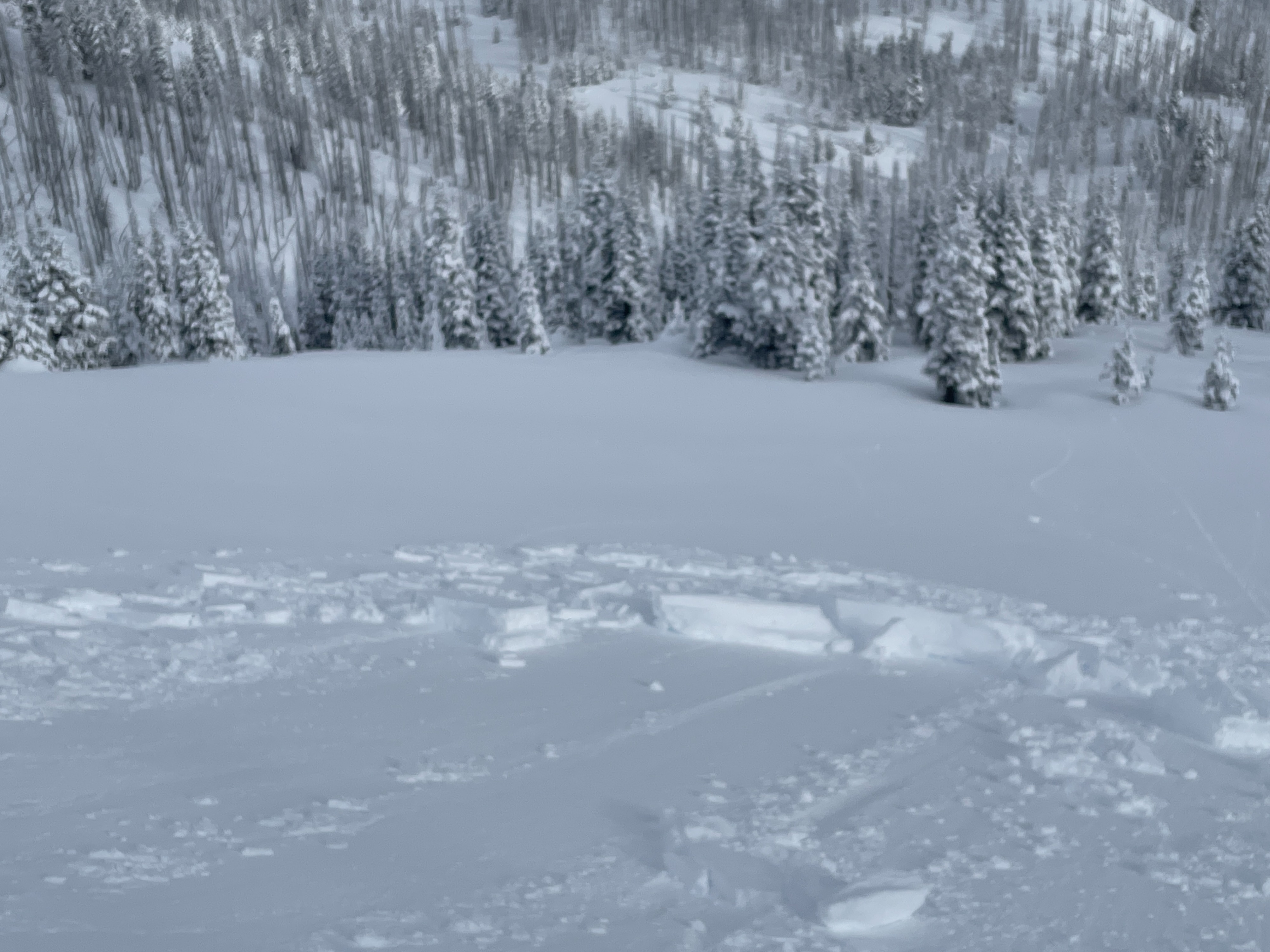
We found quite a variety of conditions out there depending on aspect and elevation. Rain to 5500ft created very wet snow conditions down low. Higher, things felt much more wintery. About a dozen natural and triggered small wind slabs, showed you could get in trouble pretty quickly if you weren't paying attention to which slopes were loaded.
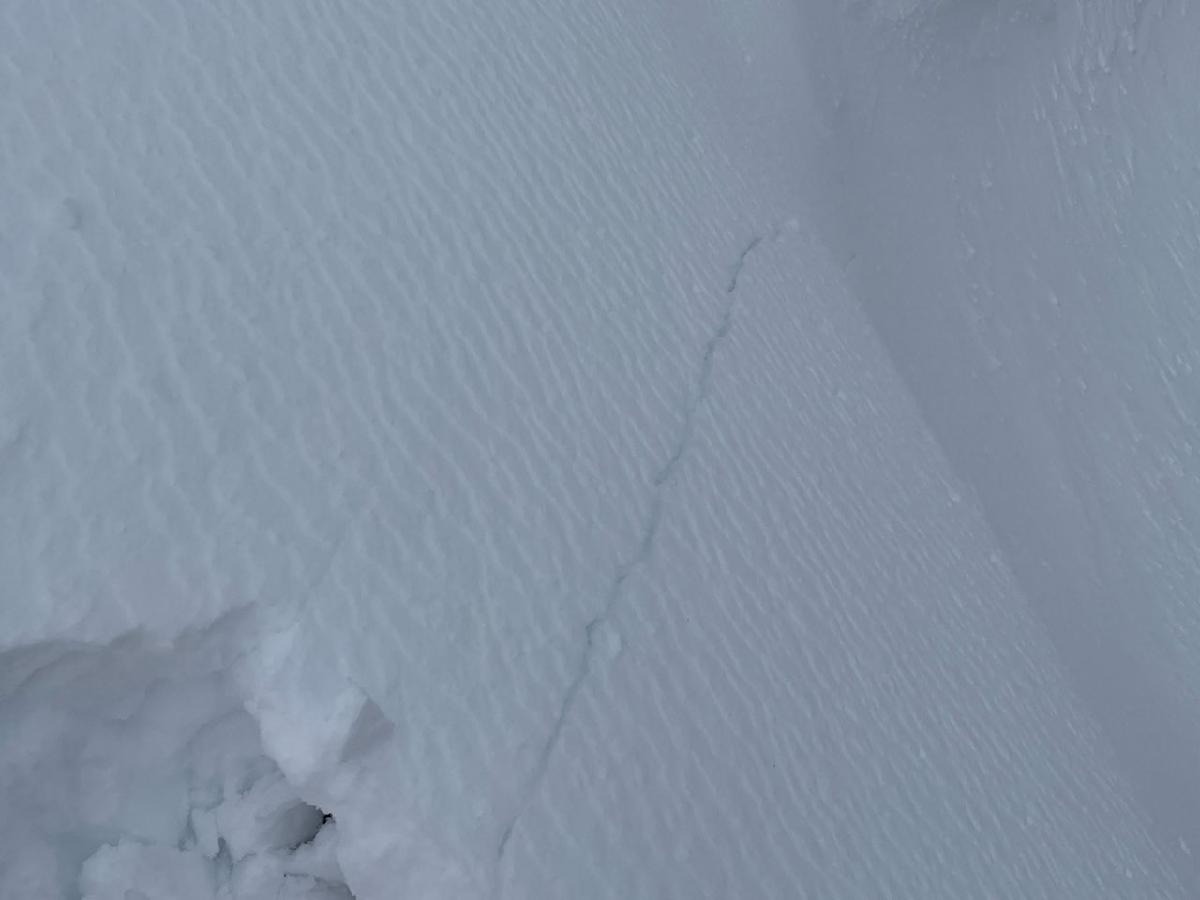
Cracking was isolated to wind-loaded pockets on the lee side of ridges and exposed features. Cracks were short, only reaching 3-4ft.Weather
- Cloud Cover
- broken
- Wind Loading
- moderate
- Rain Elevation
- 5500
- Recent Snowfall
- 12
- Snow Avail For Transport
- small smounts
Rain in the parking lot had me doubtful when I arrived. It was pouring! As I ascended, the rain changed to snow around 5500ft or so with new snow really accumulating above about 5800ft. By 6000ft it felt wintery, The bulk of the precipitation stopped just after lunchtime (1ish). Periods of sunshine, gusty winds, and a few flurries really rounded out the day.
Snowpack
Below 5500ft: Wet heavy snow capped the surface. The water seemed to penetrate about 5in (12cm). Below the snow was much drier. Rollerballs were common on all steep slopes.
Above 5500ft: The new snow became heavy and moist on steep southerly slopes during moments of sunshine. This resulted in a barrage of rollerballs. In other locations the snow remained drier, but still much heavier than recent weeks.
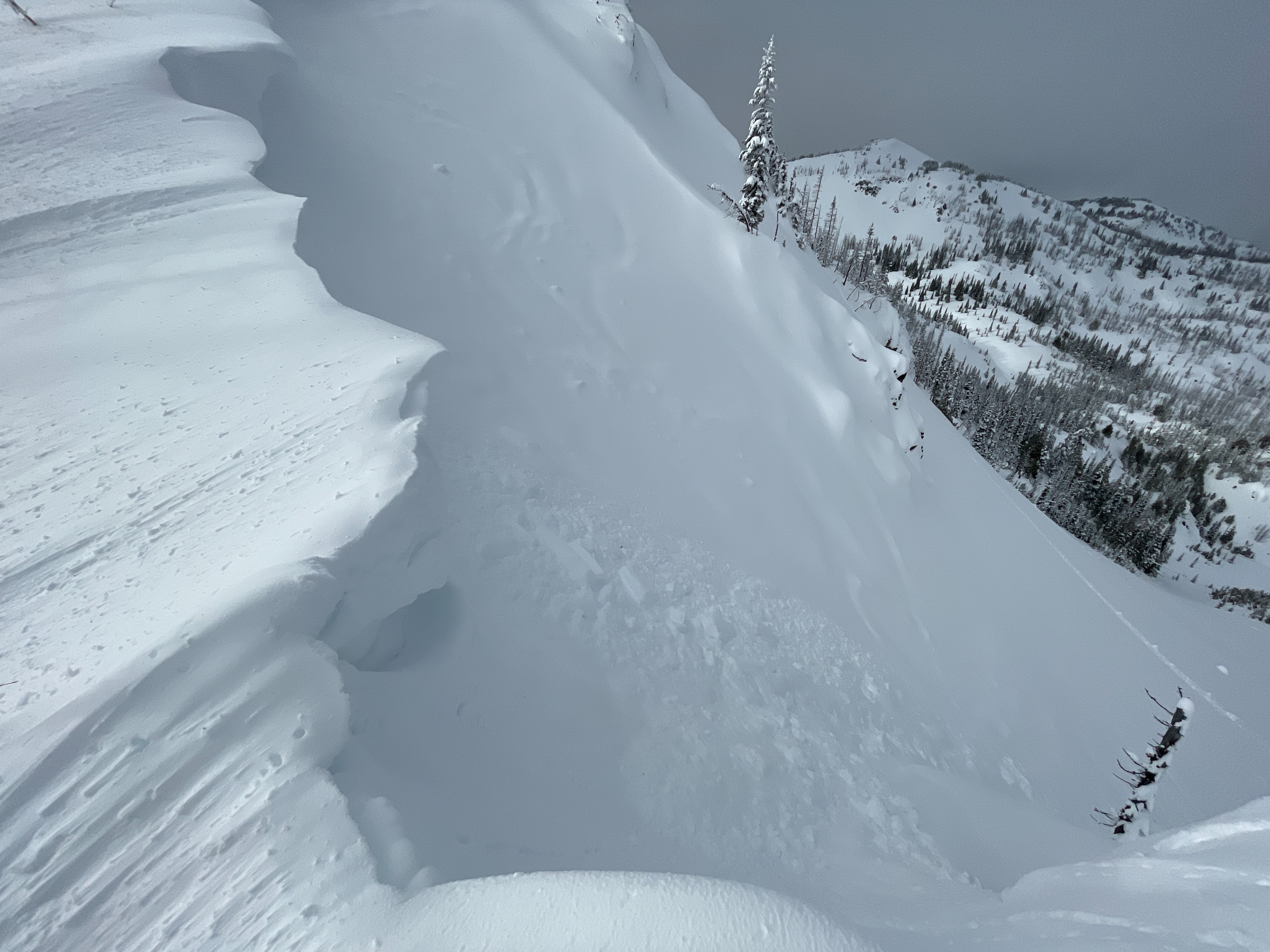
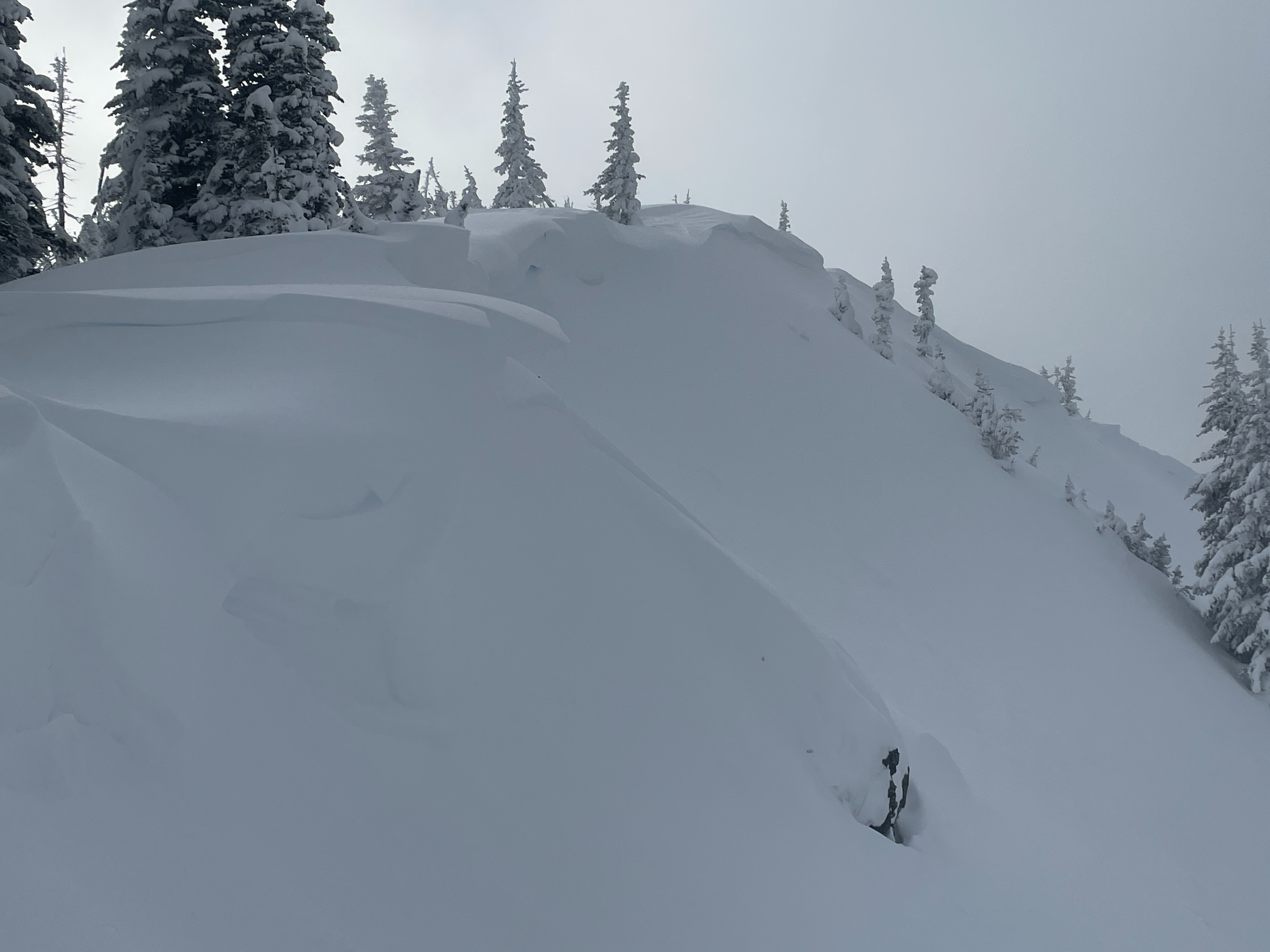
Winds: Gusty SW winds were blowing snow along ridgelines and mid-slope features. Textured surfcase, rime, sharp drifts, and cornices were common. Firm wind slabs were observed along lee slopes. Cornices weren't huge, but are getting much bigger. They failed easily with minimal effort.
Upper snowpack: Handpits, uptrack tests, small slopes, and a snow profile didn't reveal much more that the occasional very small crack. The upper snowpack seems to be gaining strength.
Middle and lower snowpack: A snow profile on a N aspect at 6500ft showed all of the major recent layers. Some still appear very weak, however, none failed in snowpack test. In this location, the snowpack was thinner than anticipated. I thought that might result in a weaker Solstice crust, but that didn't seem to be the case.
Avalanche
- Size
- D3 R2
- Type
- HS
- Aspect
- NE
- Trigger
- N
- Elevation
- 6500 ft
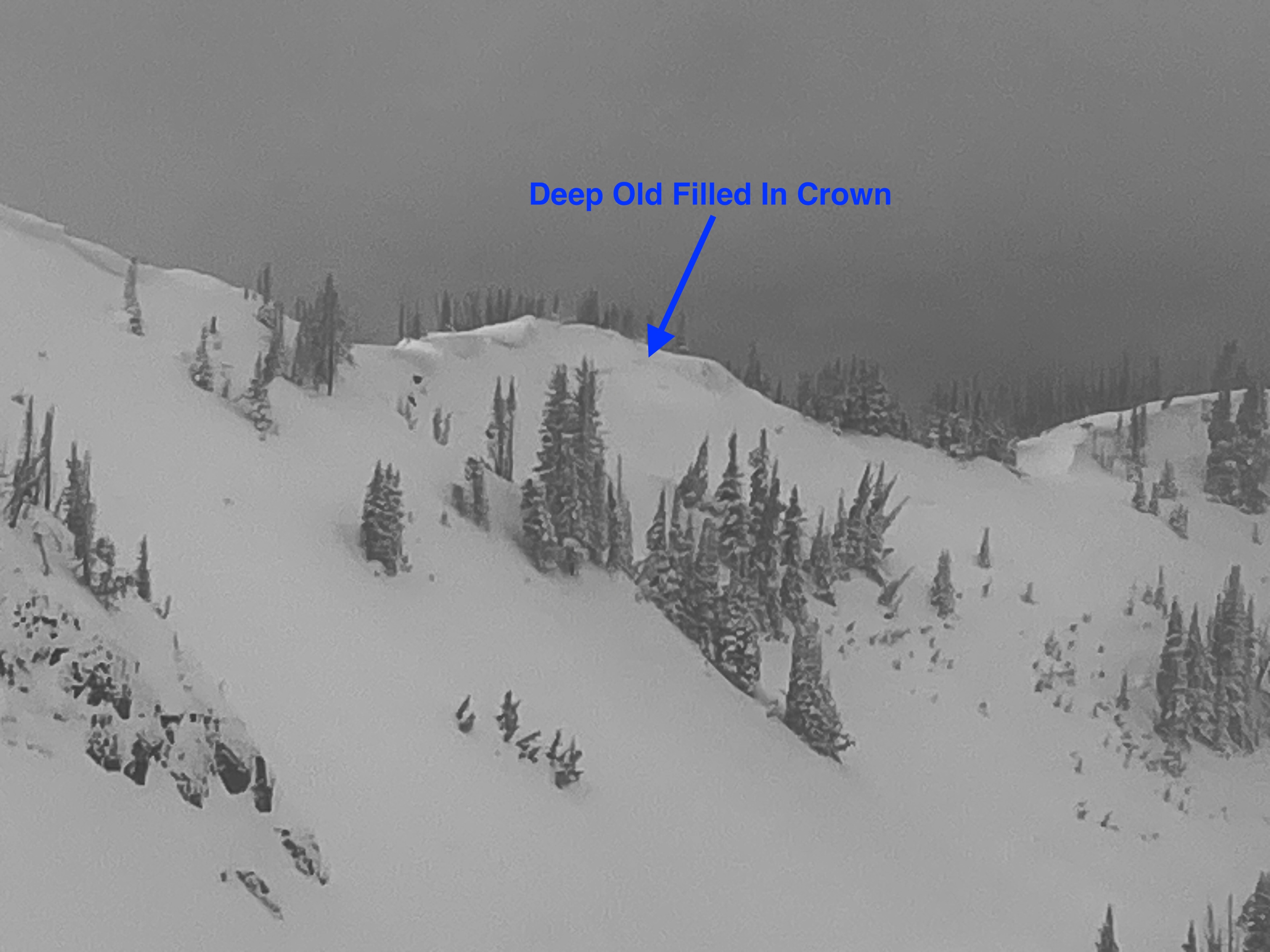
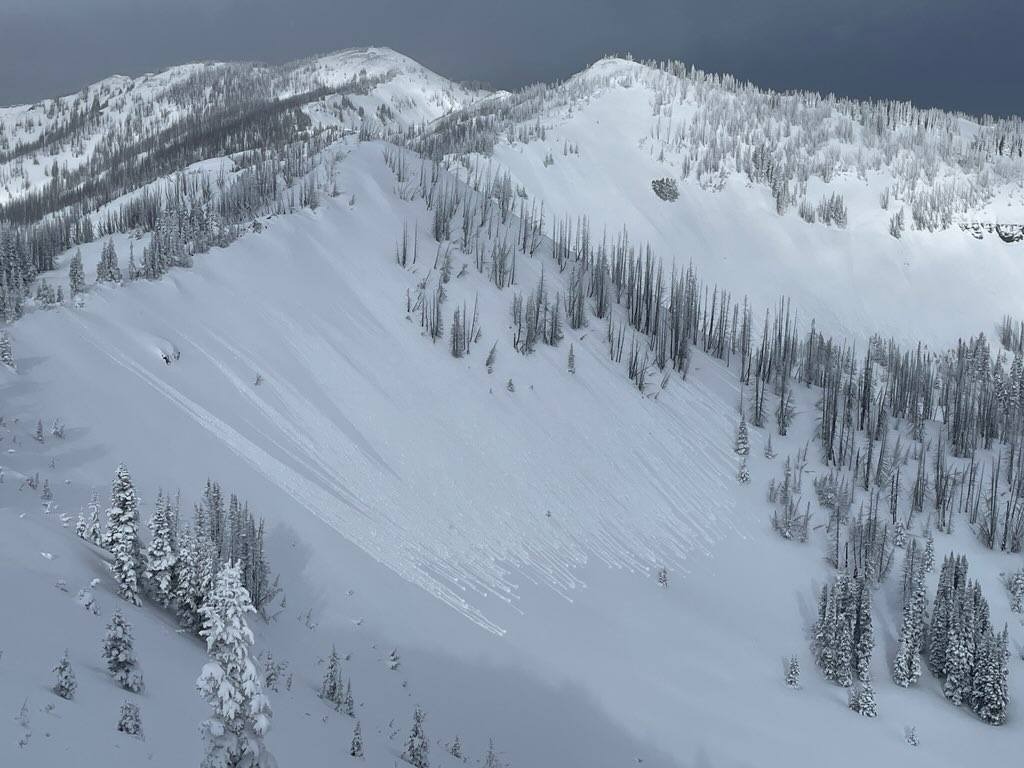
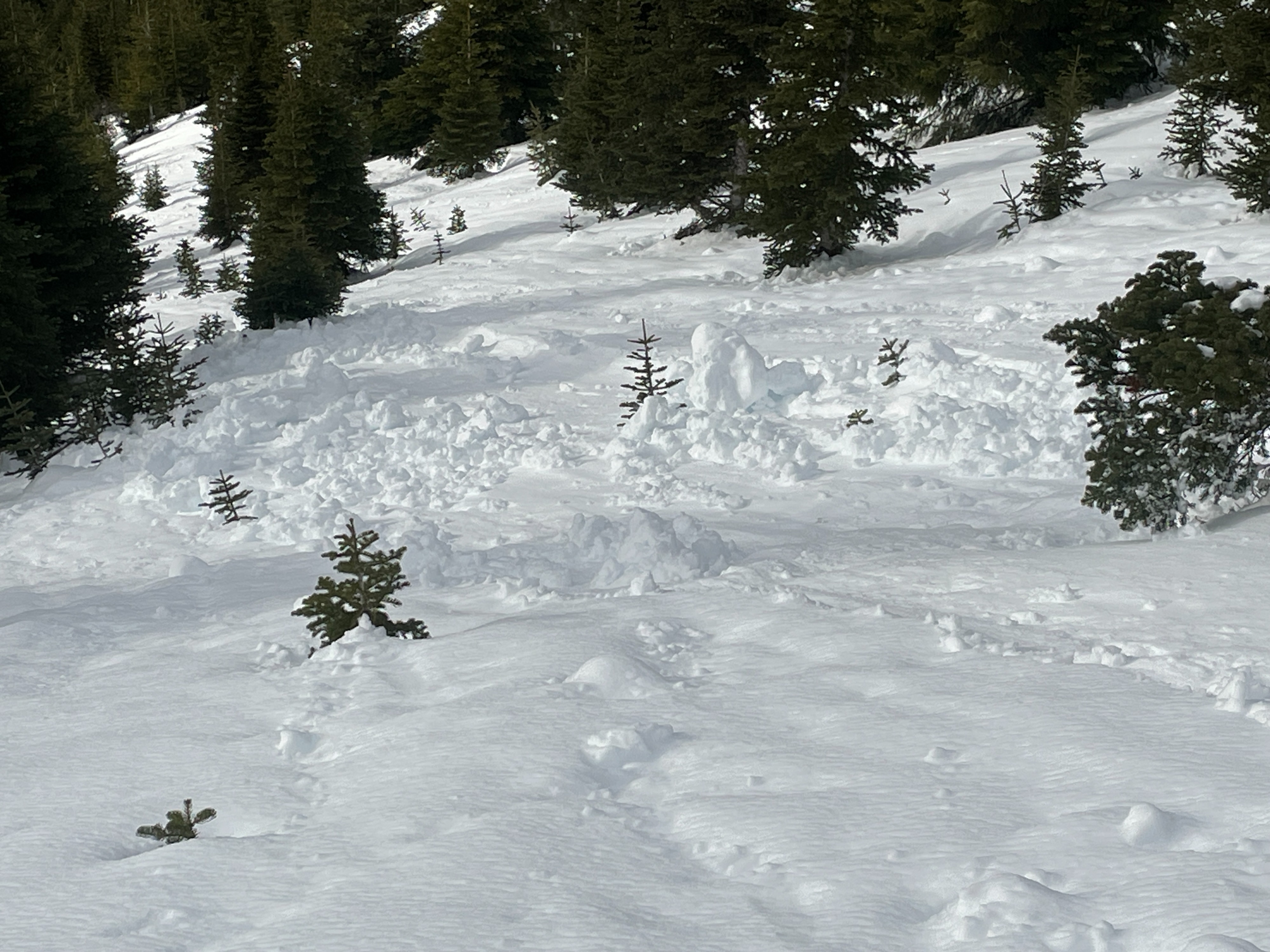
Several recent wind slab avalanches were seen in both Cement and Lakes Basins. They all appeared to be triggered by failing cornices and were generally small. 6 naturals, N-NE 6500-6700ft, HS-NC-D1(1.5)-R1-U I was also able to trigger several small wind slab avalanches by intentionally releasing small cornices. N-NE 6500-6700ft, HS-ASc-D1-(1.5)-R1-U Crown depths on both the natural and triggered slides ranged from 8-18inches deep. I also triggered one small wet loose slide on a very steep slope. W,5400ft, WL-ASc-D1-R1-S