Persistent Slabs
- Hochgebirge
- Waldgrenze
- Unterhalb der Waldgrenze
- Wahrscheinlichkeit
- Possible
- Größe
- 2–3
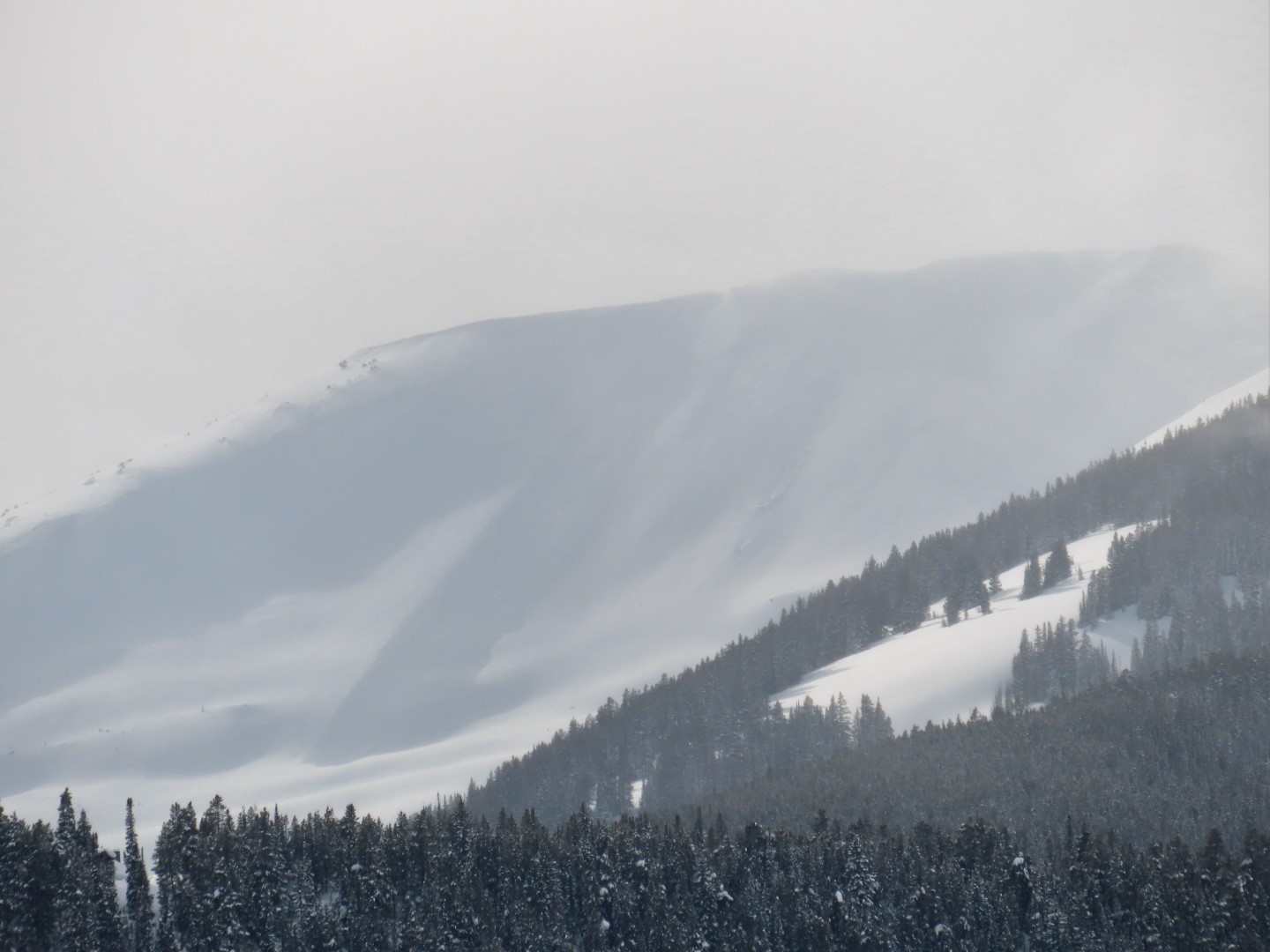
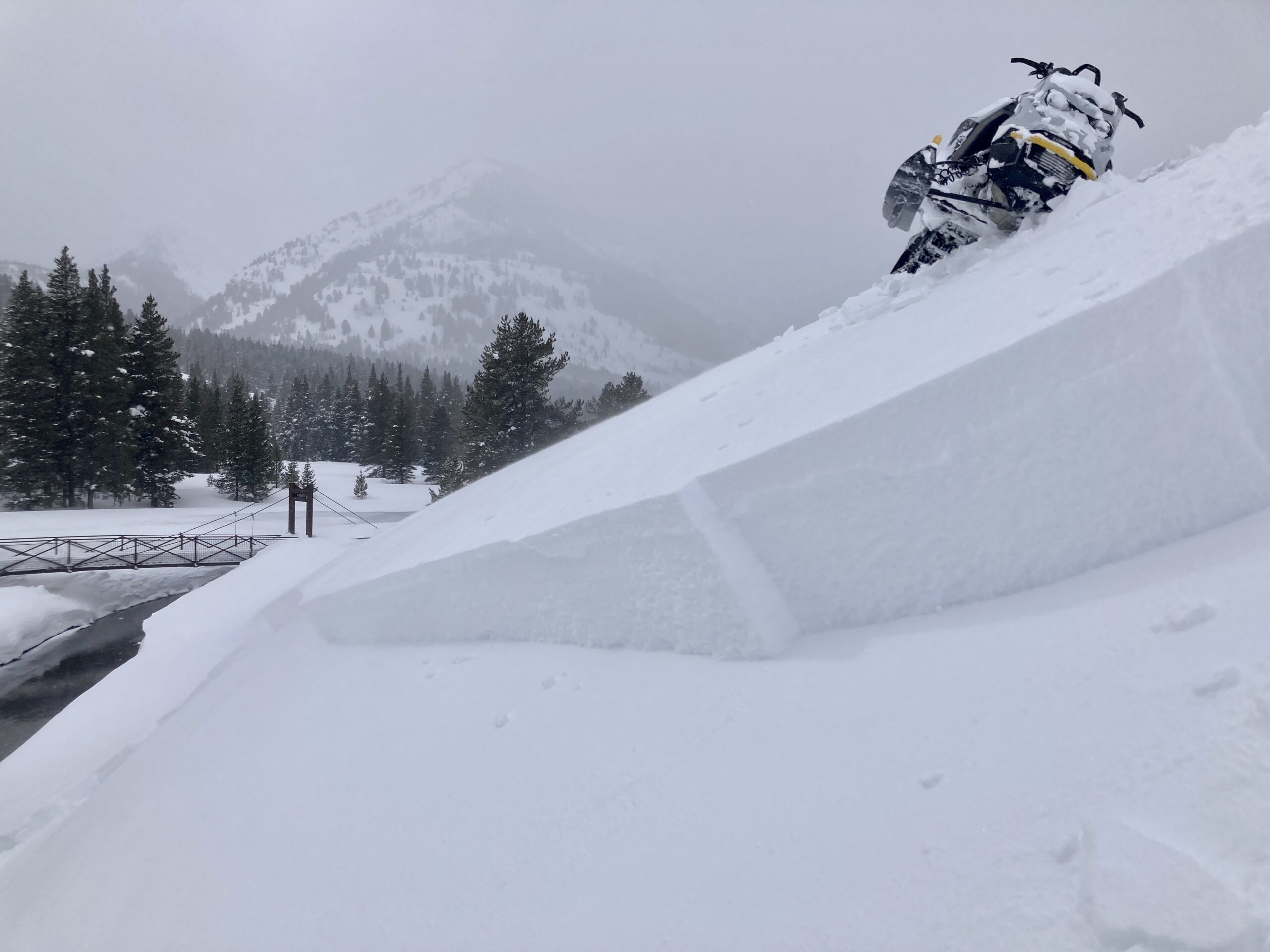
Last week's storm formed slabs up to several feet thick over faceted weak layers. Remote triggers and natural avalanches failing on these persistent weak layers have been gradually diminishing since widespread activity peaked last Wednesday. The greatest number of avalanches have occurred on easterly-facing slopes where faceted crusts exist. Similar structures are also found on westerly-facing slopes. On northerly-facing slopes, these slabs formed over a layer of near-surface facets. Slabs are larger and may be more sensitive at higher elevations due to ongoing wind transport. In a few cases, avalanches have stepped down into older weak layers much deeper in the snowpack, causing destructive avalanches.
Early warning signs for this avalanche problem are rare and feedback is infrequent. You can reduce your chance of triggering this avalanche problem by avoiding recently wind-loaded terrain or slopes where the snow surface is getting hot and sticky. Safer riding is on wind-protected, sun-protected slope angles less than 35 degrees, without steeper slopes above.
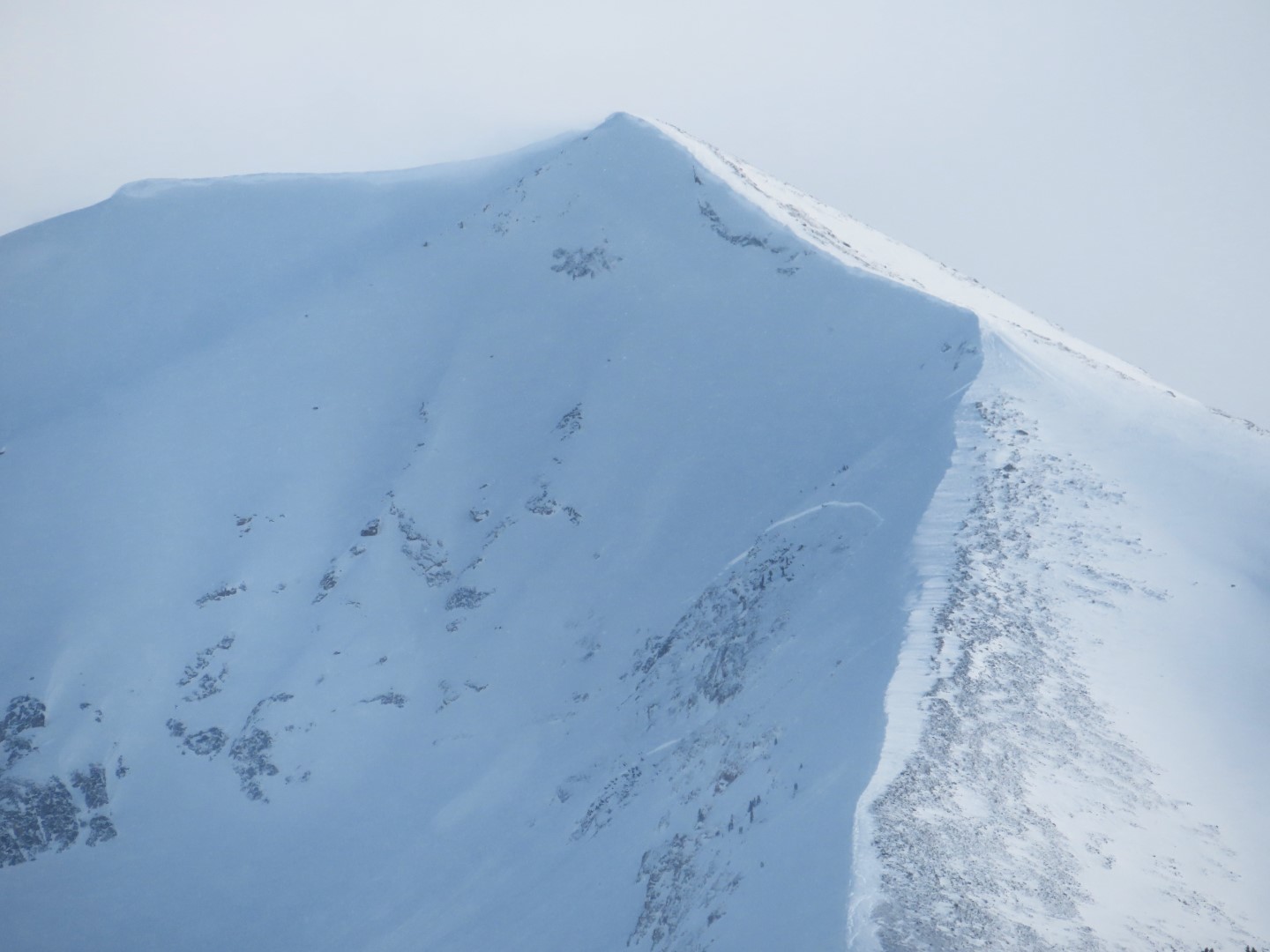
Numerous widely propagating slab avalanches on Purple Ridge ran last week during the storm on faceted crusts. Avalanches like this can still be triggered today.